Life for many Iranians has become a daily struggle beneath a façade of stability, with citizens feeling increasingly powerless in the face of government policies and economic constraints. Recent reports suggest that over 30% of the population now lives below the poverty line, revealing a stark contrast between the government's portrayal of prosperity and the realities faced by ordinary people.
Economic Hardships in Iran
The Iranian economy is grappling with severe inflation, which reached a staggering 50% as of last month. This economic crisis has led to soaring prices for basic goods, making it increasingly difficult for families to make ends meet. A loaf of bread, once a staple that cost merely 10,000 rials, now retails for nearly 30,000 rials, reflecting the growing financial strain on households.
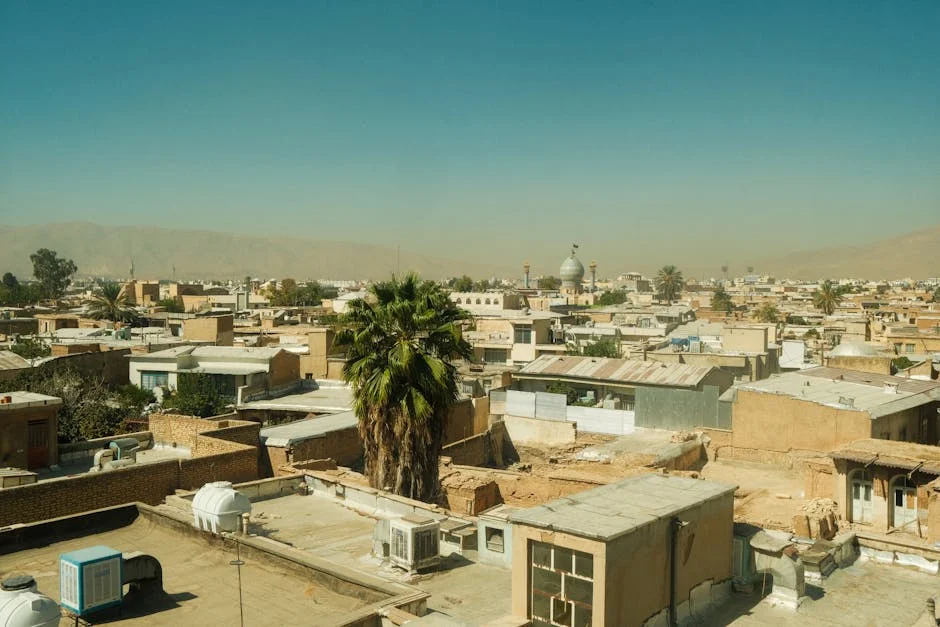
In Tehran, where the cost of living is particularly high, the situation is even more dire. Many citizens have reported having to forgo essential items and services, such as healthcare and education, as their disposable incomes dwindle. The Iranian government, led by President Ebrahim Raisi, has attempted to project an image of a recovering economy by announcing investment plans; however, these efforts have not yet translated into tangible relief for the average citizen.
Social Consequences of Powerlessness
This pervasive powerlessness is not just an economic issue; it has profound social implications for communities across Iran. Citizens are witnessing an erosion of trust in government institutions, exacerbated by the lack of transparency and accountability. Protests erupt periodically, indicating the public's frustration, yet these movements are often met with heavy-handed responses from security forces, further stifling dissent.
Moreover, with many Iranians feeling that their voices are not heard, an increasing number are resorting to informal economies for survival. This has led to a rise in street vendors and unregistered businesses, which provide a necessary but unstable lifeline for many families. The informal sector, while providing some relief, also lacks the protections and benefits of formal employment, leaving workers vulnerable.
Community Responses and Resilience
Despite the oppressive circumstances, Iranian communities are demonstrating remarkable resilience. Local organisations and grassroots movements are emerging, focusing on mutual aid and support networks to help those in need. From food distribution initiatives to community workshops aimed at skill-sharing, these grassroots efforts are essential in fostering solidarity among citizens.
In a recent initiative in Isfahan, local activists launched a programme to provide free meals to families struggling with food insecurity. Such community-driven responses highlight a growing awareness among Iranians about the importance of collective action in the face of adversity.
Looking Ahead: What to Watch
As Iran navigates through these turbulent times, the coming months will be critical. The government is expected to release new economic policies aimed at generating growth, but the effectiveness of these measures remains uncertain. Citizens are keenly watching for signs of real improvement in their daily lives, particularly as they approach the upcoming presidential election in June 2025, which could reshape the political landscape.
The situation remains fluid, and the Iranian populace's demand for change may not be easily silenced. As they continue to live with pain and powerlessness, their collective response will determine the future trajectory of the nation.