Iran has announced its willingness to reopen the Strait of Hormuz, a critical chokepoint for global oil shipments, without the precondition of a nuclear deal. This move comes amidst ongoing tensions in the Persian Gulf and holds significant implications for countries reliant on oil imports, particularly India.
The Strategic Importance of the Strait of Hormuz
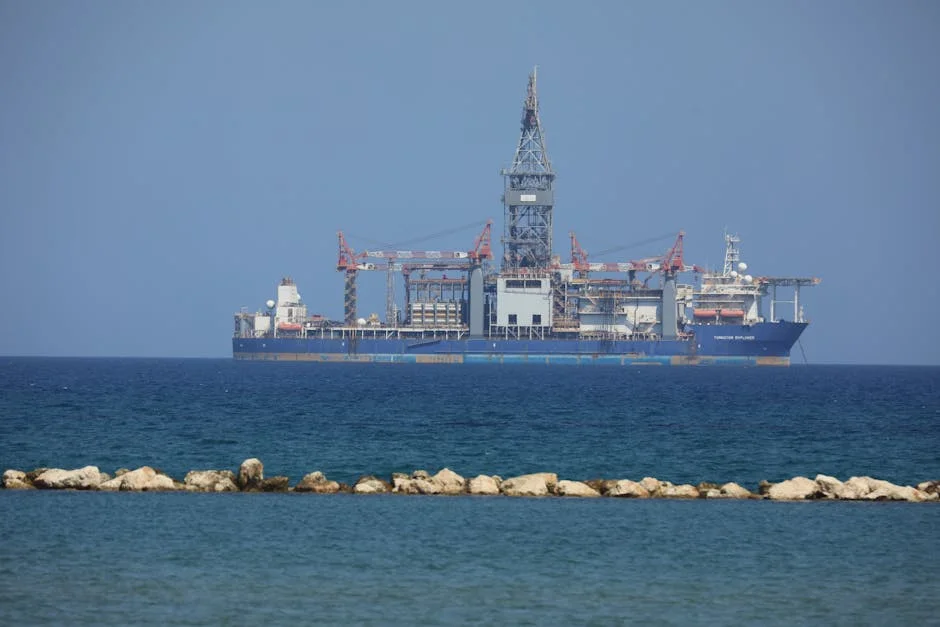
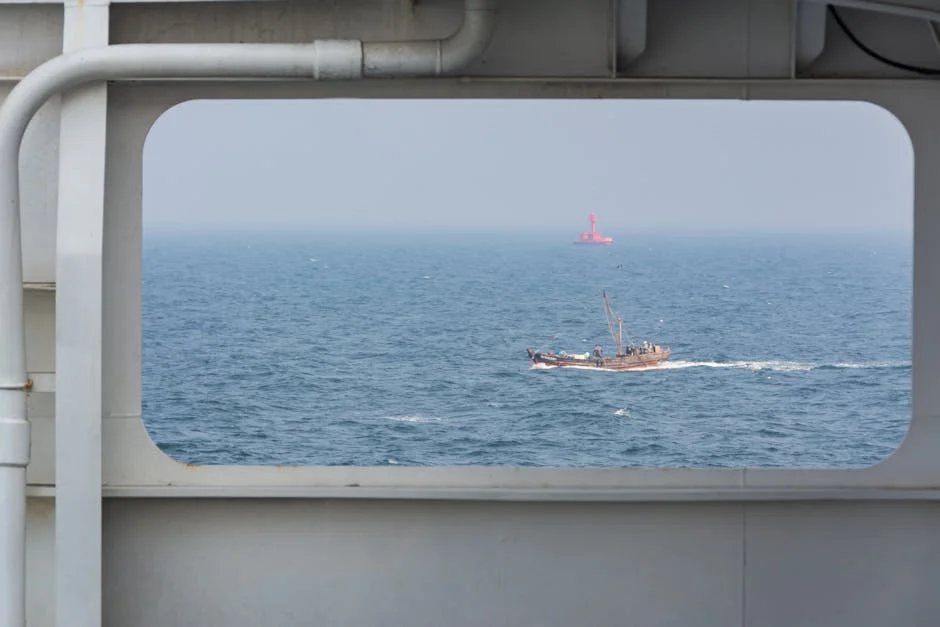
The Strait of Hormuz is a narrow passage connecting the Persian Gulf with the Arabian Sea and the wider Indian Ocean. It is one of the most strategically vital maritime routes in the world, with approximately 20% of global petroleum passing through it daily. Keeping this channel open is crucial for maintaining stable global oil prices and ensuring energy security for import-dependent nations like India.
Iran's offer to reopen the strait without a nuclear agreement is unprecedented. Historically, Iran has linked its cooperation over the strait with broader regional negotiations, including nuclear discussions. This change in stance is likely aimed at reducing regional tensions and fostering economic opportunities, especially as the nation faces internal economic challenges.
Impact on India and Regional Economies
The reopening of the Strait of Hormuz is particularly beneficial for India, a major consumer of Persian Gulf oil. India imports over 80% of its crude oil, with a significant portion coming from the region. The assurance of an open strait means reduced risks of supply disruptions and potentially stabilised fuel prices, which is critical for India's energy security and economic stability.
Furthermore, an open strait could enhance trade relations between India and Iran. The two countries have historically maintained strong economic ties, with India investing in infrastructure projects like the Chabahar Port in Iran. This development may pave the way for increased bilateral trade and investment opportunities.
Local and Regional Community Responses
Communities in the Indian subcontinent, particularly those involved in the oil and shipping industries, are closely monitoring this situation. The announcement has been met with cautious optimism, as stakeholders anticipate the potential for more stable and predictable oil supply chains.
Similarly, regional governments and businesses are assessing the broader economic implications. A reduction in geopolitical tensions could bolster investments and trade across the region, fostering economic growth and development.
What to Watch Next
While Iran's offer presents promising prospects, the geopolitical landscape remains complex. Key stakeholders, including the United States and Gulf Cooperation Council countries, are yet to respond formally to Iran's proposal. The coming weeks will be critical, as diplomatic discussions unfold and countries evaluate the implications of this offer on their strategic interests.
For India, monitoring these developments is crucial. The Indian government and businesses will need to stay engaged with regional partners to ensure that the potential benefits of an open Strait of Hormuz are realised. Additionally, any changes in global oil prices or supply routes could have direct impacts on local economies and daily life for millions.