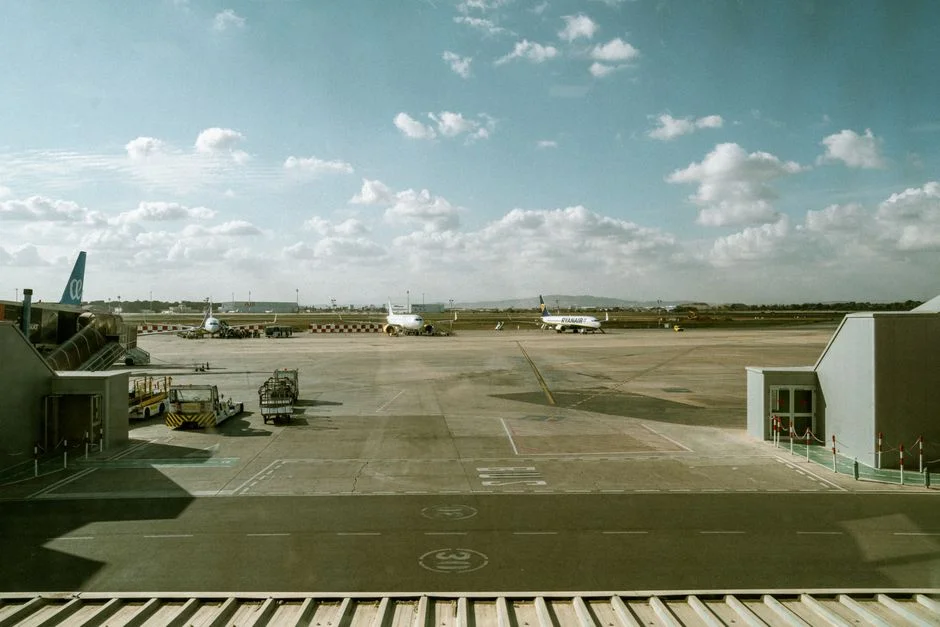
Iran has increased its military presence in the Ormuz Strait following the US decision to cancel planned strikes on Iranian targets, triggering immediate concerns among regional traders and local communities. The move comes as the strategic waterway, a vital route for global oil shipments, faces heightened geopolitical tension. The Indian Ocean region, including ports in Mumbai and Kochi, is closely watching the developments, as disruptions here could ripple through global supply chains.
Strategic Importance of Ormuz Strait
The Ormuz Strait, located between Iran and the United Arab Emirates, is one of the world’s most critical maritime chokepoints. Over 20% of global oil supply passes through the strait, making it a focal point for international trade and security. The recent escalation has led to heightened anxiety among local businesses reliant on stable shipping routes. The Indian government has issued a statement urging all stakeholders to remain vigilant, as any disruption could affect fuel prices and import costs in India.
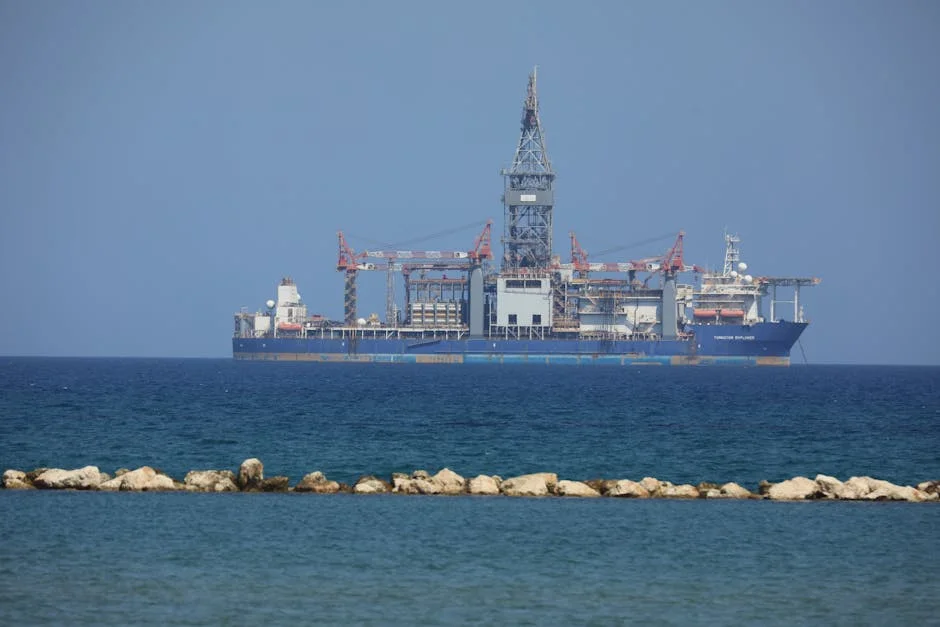
Iran’s increased control over the area has been marked by the deployment of additional naval vessels and missile systems near key shipping lanes. The Iranian Ministry of Defence confirmed the move, stating it was a "necessary measure to protect national sovereignty." However, regional experts warn that this could lead to further instability in the Gulf, with potential consequences for maritime traffic and regional security. The Indian Ocean Naval Symposium, which includes India and other regional powers, has called for diplomatic dialogue to de-escalate tensions.
Impact on Local Communities and Economy
For communities along the Indian coast, the situation in the Ormuz Strait is more than a distant geopolitical issue. The strait’s stability directly affects the flow of goods, including crude oil and raw materials, which are crucial for India’s manufacturing and energy sectors. In Mumbai, where the largest port in the country is located, local traders report a growing sense of uncertainty. The India Ports Global Limited, a key port operator, has warned that any delay in cargo movement could lead to increased costs for consumers.
The Indian government has also expressed concern over the potential for regional conflict. Minister of External Affairs S. Jaishankar reiterated India’s commitment to peaceful resolution, while urging all parties to avoid actions that could threaten maritime security. The Ministry of Commerce has begun monitoring the situation closely, with a focus on how rising tensions might affect import tariffs and fuel prices in the coming months.
Regional Responses and Diplomatic Efforts
Regional powers, including the UAE and Oman, have called for de-escalation and increased diplomatic engagement. The UAE’s Foreign Ministry issued a statement emphasizing the importance of maintaining freedom of navigation and preventing any unilateral actions that could destabilize the region. Meanwhile, Oman, a neutral player in the Gulf, has offered to mediate between Iran and the US, a proposal that has been met with cautious optimism.
India, which maintains strong trade and energy ties with both Iran and the Gulf states, has sought to balance its relationships carefully. The Indian government has reiterated its support for peaceful dialogue but has also warned against any actions that could threaten the stability of the region. With the Indian Ocean playing a central role in global trade, the situation in the Ormuz Strait is closely watched by policymakers and business leaders alike.
Shipping and Trade Concerns
The International Chamber of Commerce has raised concerns over the potential for increased insurance costs and shipping delays due to the heightened security measures in the Ormuz Strait. The organisation has called on all nations to ensure that maritime trade remains uninterrupted. In India, the Indian Shipping Industry Association has warned that any prolonged disruption could lead to a spike in freight costs, affecting both domestic and international trade.
The Indian Navy has also increased its surveillance in the region, with a focus on ensuring the safety of Indian-flagged vessels. A senior naval officer stated that "India remains committed to safeguarding its maritime interests and maintaining open sea lanes." The move is part of a broader strategy to protect India’s growing economic interests in the Indian Ocean.
Looking Ahead: What to Watch Next
The coming weeks will be crucial in determining the trajectory of events in the Ormuz Strait. The US and Iran are set to hold a series of diplomatic talks in Geneva, where the issue of regional security and trade will be discussed. Meanwhile, India will continue to monitor the situation closely, with the Ministry of External Affairs preparing a detailed assessment of potential economic impacts.
For local communities and businesses in India, the situation underscores the deep interconnection between global geopolitics and daily life. As the world watches, the focus will remain on whether diplomatic efforts can prevent further escalation and ensure the continued flow of goods through one of the world’s most vital waterways.
See Also
- Electric Stove Sales Skyrocket as LPG Shortage Grips India - Citizens Rush to Adapt
- Sensex Closes 381 Points Higher, Nifty50 Tops 23,450 on IT Rally
The UAE’s Foreign Ministry issued a statement emphasizing the importance of maintaining freedom of navigation and preventing any unilateral actions that could destabilize the region. Shipping and Trade Concerns The International Chamber of Commerce has raised concerns over the potential for increased insurance costs and shipping delays due to the heightened security measures in the Ormuz Strait.
What is the latest news about iran tightens control over ormuz strait after us calls off strikes?
Why does this matter for business-economy?
What are the key facts about iran tightens control over ormuz strait after us calls off strikes?