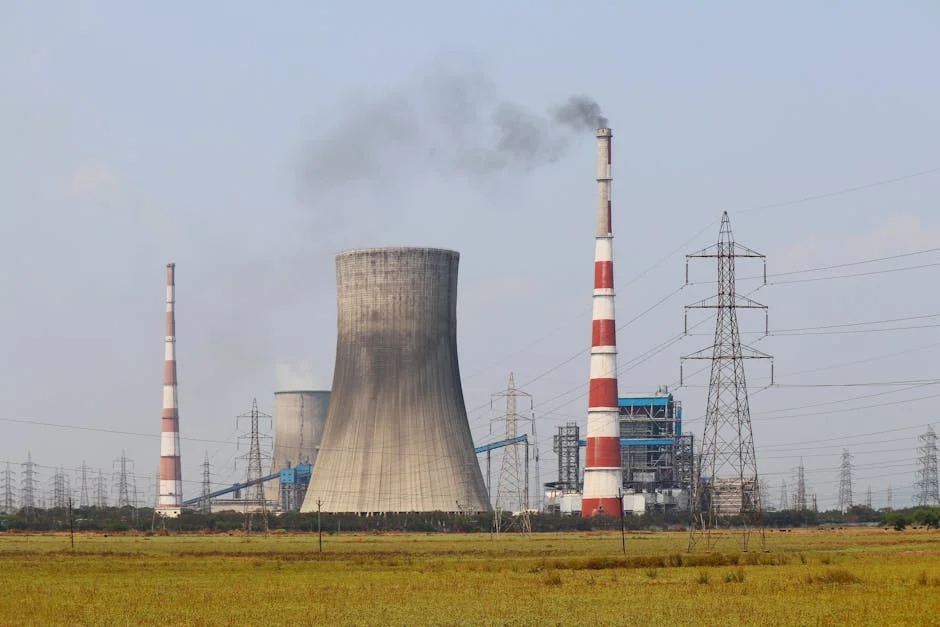
India’s Ministry of Environment has faced sharp criticism after introducing new pollution control rules that many argue fail to address the growing health crisis in urban areas. The move has sparked public outrage, with citizens in cities like Delhi and Mumbai demanding stricter enforcement of existing regulations. The new rules, which focus on industrial emissions, have been met with skepticism from local health groups and environmental activists. The government claims the changes will streamline compliance, but critics say they lack concrete targets and fail to tackle the root causes of air and water pollution.
Public Health Crisis Intensifies
Delhi, the national capital, has seen a 25% rise in respiratory-related hospital admissions over the past year, according to the National Health Mission. The city’s air quality index frequently hits hazardous levels, especially during the winter months. Local doctors, including Dr. Anjali Mehta from the Delhi Institute of Public Health, have warned that the new rules will do little to protect vulnerable populations, including children and the elderly. “The regulations are vague and lack measurable goals,” she said. “We need strict timelines and penalties for non-compliance.”
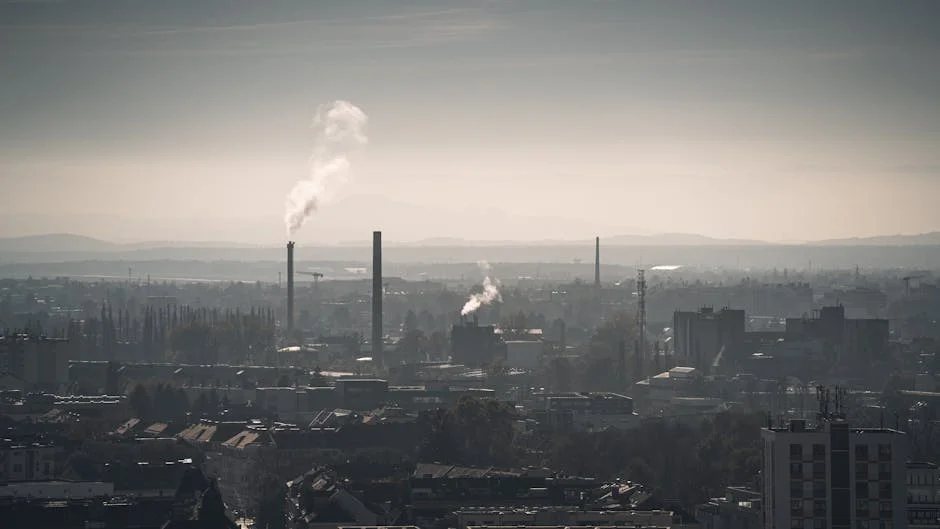
Residents of Delhi’s densely populated areas, such as Shahdara and Seemapuri, have reported worsening symptoms of asthma and bronchitis. Many have taken to social media to voice their frustration, using the hashtag #CleanAirNow. The movement has gained traction, with local NGOs like the Delhi Clean Air Coalition organizing protests and petitions. “We are not against regulation, but we need real action,” said Ravi Kumar, a volunteer with the coalition. “The government must prioritize public health over corporate interests.”
Industrial Compliance and Economic Concerns
The new rules focus on reducing emissions from factories and power plants, but many small and medium enterprises (SMEs) in industrial zones like Noida and Ghaziabad are struggling to meet the updated standards. The Ministry of Environment claims the changes will encourage green technology, but business groups argue the costs of compliance are too high. “We are being asked to invest in expensive equipment without any financial support,” said Priya Malhotra, a representative from the Noida Industrial Association. “This could lead to job losses and slow economic growth.”
Despite these concerns, the government insists the reforms are necessary to meet international climate commitments. India is under pressure to reduce carbon emissions by 2030, as part of the Paris Agreement. However, environmentalists argue that the focus on industrial emissions ignores the broader issue of urban pollution, including vehicle exhaust and construction dust. “The real problem is not just factories,” said Dr. Arun Sharma, a policy analyst at the Indian Institute of Technology. “We need a holistic approach that includes transport and waste management.”
Community Response and Grassroots Movements
Local communities have begun to take matters into their own hands, with neighborhood groups in cities like Pune and Bangalore launching initiatives to reduce pollution. In Pune, a coalition of residents has started a carpooling program to cut down on traffic congestion. In Bangalore, schools are incorporating air quality education into their curricula. These grassroots efforts highlight a growing public awareness of the link between environmental health and daily life.
However, without stronger government action, these initiatives may not be enough. Activists are calling for a national task force to monitor pollution levels and enforce regulations. “We can’t wait for slow-moving bureaucracy,” said Meera Patel, a student leader in Mumbai. “We need immediate, transparent action to protect our health and environment.”
What’s Next for Policy and Public Action
The next major step in the debate will be a public consultation period that ends on 15 October. During this time, citizens and organizations can submit feedback on the new regulations. The Ministry of Environment has also announced a series of regional town halls to gather input from local communities. These sessions, scheduled for November, will be critical in shaping the final version of the rules.
For now, the focus remains on holding the government accountable. With the winter season approaching, the pressure on policymakers to act is mounting. Citizens and activists are urging the government to prioritize health over delay, emphasizing that the cost of inaction is far greater than the cost of reform. As one protest sign in Delhi read: “Our air, our health, our future.”
As the debate unfolds, the coming months will determine whether India’s environmental policies can truly address the growing crisis. For now, the public is watching closely, demanding action that reflects their urgent concerns.
See Also
- Sounds Good So Launches New Affiliate Program — Here’s How It Impacts IN Users
- Israel Warns Iranians Against Using Trains — Regional Tensions Rise
For now, the public is watching closely, demanding action that reflects their urgent concerns. These grassroots efforts highlight a growing public awareness of the link between environmental health and daily life.
What is the latest news about indias ministry of environment slams new pollution rules and citizens demand action?
Why does this matter for business-economy?
What are the key facts about indias ministry of environment slams new pollution rules and citizens demand action?