The White House convened a high-level meeting with AI firm Anthropic this week, intensifying scrutiny over the company’s latest model, Mythos, amid growing concerns about its potential impact on global security and data privacy. The discussion, held in Washington, D.C., followed reports that the model could be used to generate highly realistic deepfakes and manipulate public discourse. The meeting came as Indian policymakers and tech experts closely watch the developments, fearing the implications for digital governance and national security in South Asia.
White House Seeks Clarity on AI Risks
Officials from the White House’s National Security Council met with senior executives at Anthropic, including CEO Dario Amodei, to discuss the ethical and strategic challenges posed by the Mythos model. The meeting, which lasted over two hours, focused on the company’s transparency measures and how it plans to prevent misuse of the AI system. The discussions were described as “productive” by both sides, though no formal agreements were announced.
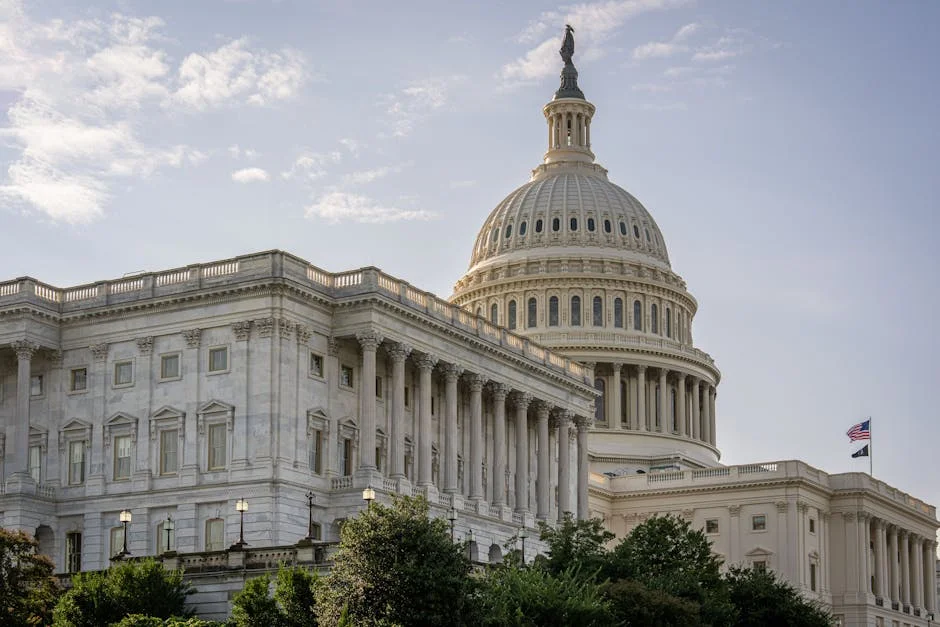
“The White House is committed to ensuring that AI development aligns with national security interests,” said a senior administration official, who requested anonymity. “We are engaging with companies like Anthropic to understand their safeguards and ensure that their technology doesn’t pose risks to public trust or democratic processes.”
Mythos Model Raises Global Alarm
Mythos, developed by Anthropic, has been flagged by cybersecurity experts for its ability to generate convincing text and images that could be used to spread misinformation at scale. The model’s capabilities have drawn comparisons to other large language models, but its unique training data and response mechanisms have raised specific concerns. In a recent report, the U.S. Cybersecurity and Infrastructure Security Agency (CISA) warned that AI systems like Mythos could be weaponized in political campaigns or to manipulate public opinion.
“This is not just a U.S. issue,” said Dr. Ananya Sen, an AI ethics researcher at the Indian Institute of Technology Delhi. “If these models are not properly regulated, they could have serious consequences for democracies around the world, including India.”
Impact on Indian Tech and Policy
Indian tech firms and government bodies are now re-evaluating their own AI strategies in light of the White House’s engagement with Anthropic. The Ministry of Electronics and Information Technology (MeitY) has called for a review of AI regulations, particularly in areas related to content moderation and data protection. The government is also considering partnerships with domestic AI startups to reduce reliance on foreign models that may not align with India’s regulatory framework.
“We need to be proactive,” said MeitY Secretary Ajay Bhushan Pandey. “The rapid advancement of AI technologies means that we cannot afford to be reactive. We must ensure that our policies keep pace with the evolving landscape.”
Public and Industry Reactions
The conversation has sparked debate among Indian tech professionals and civil society groups. Some argue that the government should take a more active role in regulating AI, while others warn against stifling innovation. A recent survey by the Indian Digital Rights Forum found that 68% of respondents were concerned about the misuse of AI in political and social contexts.
“We need to balance innovation with accountability,” said Ravi Kumar, a tech policy analyst at the Centre for Internet and Society. “The White House’s approach offers a model for how governments can engage with tech firms without hindering progress.”
What’s Next for AI Regulation?
The White House’s meeting with Anthropic signals a growing global push for AI oversight. In India, the government is expected to release a draft AI regulatory framework by the end of the year. This comes as tech companies across the world face increasing pressure to demonstrate ethical AI practices. The outcome of these discussions will shape the future of AI governance, not just in the U.S., but in regions like South Asia where digital transformation is accelerating.
As the debate over AI regulation continues, citizens and communities in India and beyond will be watching closely. The coming months could determine whether AI is used as a tool for progress or a source of new risks.
See Also
- Geopolitics Expert Slams US Waiver Demands on Indian Oil Purchases — What It Means for India
- Kemi Seba Remanded in Pretoria Over Western Allegations