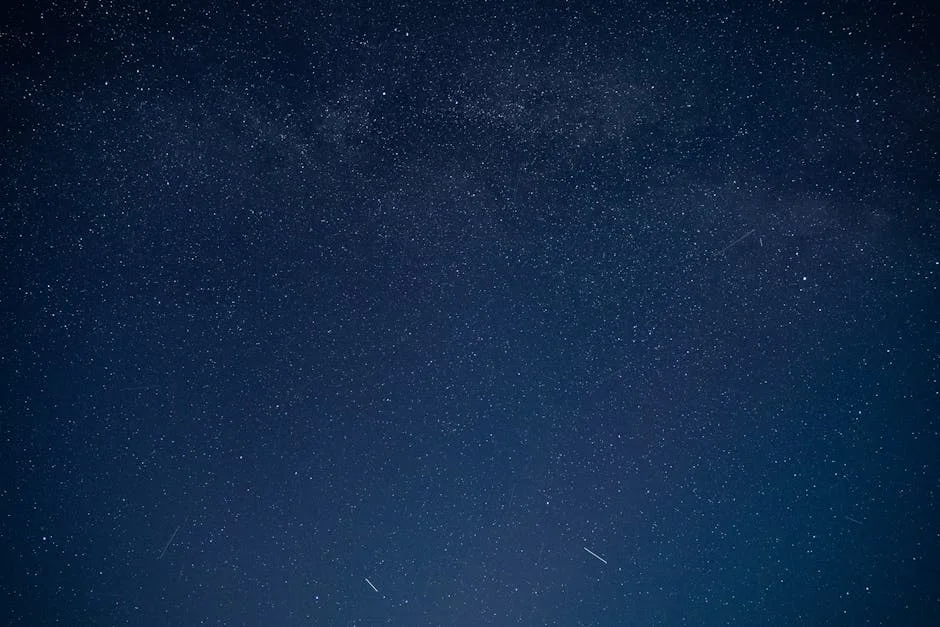
The Lyrid meteor shower, one of the most anticipated celestial events of spring, is set to peak this evening, offering a rare chance for skywatchers across the UK and beyond to witness a dazzling display of shooting stars. The UK's Met Office has confirmed that the shower will be most visible between 11 PM and 4 AM, with an estimated 10 to 20 meteors per hour. For Indian observers, the event is also significant, as the shower's visibility depends on clear skies and minimal light pollution, factors that vary across the subcontinent.
What’s Happening and When
The Lyrid meteor shower, which occurs annually between April 16 and April 25, reaches its peak on the night of April 22. This year’s event is expected to be slightly more active than average, with the moon setting early, leaving the sky dark and ideal for viewing. The UK's Royal Astronomical Society has issued detailed viewing tips, advising observers to find a clear, open space away from city lights and to allow at least 30 minutes for their eyes to adjust to the darkness.
For Indian viewers, the timing of the shower is similar, but the visibility can vary depending on location. In cities like Delhi and Mumbai, light pollution may reduce the number of visible meteors, while rural areas in states such as Rajasthan and Gujarat offer better conditions. The Indian Space Research Organisation (ISRO) has also shared guidance, encouraging amateur astronomers to take advantage of the event to observe the night sky and engage in stargazing activities.
How This Affects Local Communities
While the Lyrid meteor shower is a natural phenomenon, its impact on local communities in India is largely cultural and educational. Schools and astronomy clubs have been using the event as an opportunity to educate students about celestial events and the science of meteor showers. In cities like Pune and Bengaluru, local astronomy groups have planned night-time observation sessions, drawing in both children and adults eager to learn more about the night sky.
For rural communities, the event has also sparked a renewed interest in astronomy. In states like Tamil Nadu and Kerala, local radio stations have broadcasted tips on how to spot the Lyrids, while village leaders have encouraged families to spend time outdoors. This has led to a surge in small-scale stargazing festivals, where communities gather to share stories and observations about the night sky.
Why the UK’s Forecast Matters for India
The UK’s Met Office plays a crucial role in predicting weather conditions that can affect the visibility of celestial events. While the UK's forecast is not directly tied to India’s conditions, the global nature of meteor showers means that weather patterns in one region can influence visibility elsewhere. For instance, if a storm system affects the northern hemisphere, it could impact the clarity of the sky in parts of India, especially in the north.
India’s National Institute of Meteorological Sciences (NIMS) has also been monitoring the weather closely. According to NIMS, the best viewing conditions in India are expected in the western and southern regions, where the sky is likely to remain clear. The institute has advised viewers to check local weather updates before planning their observations.
Local Response and Community Engagement
Communities across India have responded positively to the Lyrid meteor shower, with many using the event to foster a sense of unity and shared wonder. In cities like Hyderabad and Chennai, local media outlets have covered the event extensively, encouraging people to step outside and look up. Social media platforms have also seen a surge in posts from amateur astronomers sharing their experiences and photos of the night sky.
For rural areas, the event has been a rare opportunity for people to connect with the cosmos. In villages in Odisha and Assam, local leaders have organized small gatherings, where elders share traditional stories about the stars. This blend of science and culture has made the Lyrid meteor shower more than just an astronomical event—it has become a moment of collective reflection and discovery.
What to Watch Next
As the Lyrid meteor shower reaches its peak, observers in both the UK and India are encouraged to look up and enjoy the spectacle. The event is expected to last until early morning, with the best viewing conditions occurring after midnight. For those who miss the peak, the shower will continue to be visible for a few days, though the number of meteors will gradually decrease.
Looking ahead, the next major meteor shower in the Northern Hemisphere is the Perseids, which will peak in August. Astronomers and enthusiasts are already preparing for that event, with many planning to use the Lyrids as a practice run. For now, the Lyrids offer a chance to pause, look up, and appreciate the beauty of the night sky.
See Also
- RBI Warns Petrol Hike Triggers Inflation Spike in India
- South Africa's Home Affairs Boosts Muslim Marriages with New Policy
For instance, if a storm system affects the northern hemisphere, it could impact the clarity of the sky in parts of India, especially in the north. This blend of science and culture has made the Lyrid meteor shower more than just an astronomical event—it has become a moment of collective reflection and discovery.