The World Bank has approved a staggering $250 million fund aimed at revolutionising waste management in Kinshasa, the capital of the Democratic Republic of Congo. This significant injection of capital, announced on Tuesday, promises not only to address the city's mounting waste issues but also to create thousands of new jobs, supporting both the local economy and the livelihoods of its citizens.
Addressing Kinshasa's Waste Challenge
Kinshasa, a city of over 17 million residents, has been grappling with inadequate waste management systems that have long affected public health and sanitation. Streets piled with refuse have been a common sight, posing serious health risks. The World Bank's funding is set to tackle these issues head-on by enhancing waste collection and processing infrastructure.
The funding will facilitate the establishment of modern waste treatment facilities and the implementation of effective waste recycling processes. This move is expected to drastically improve the urban living conditions for Kinshasa's people, reducing the incidence of diseases associated with poor sanitation.
Creating Employment Opportunities
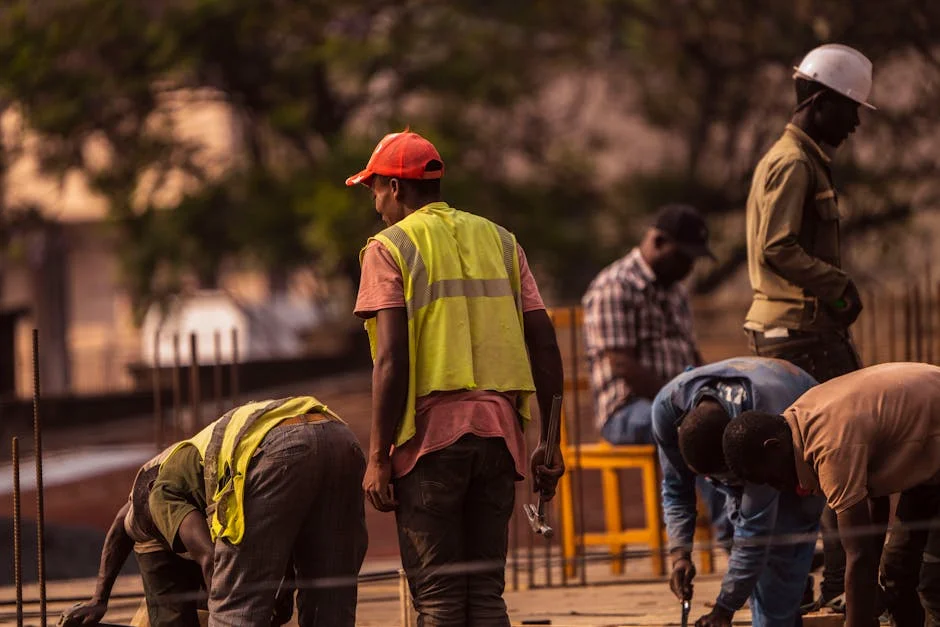
A crucial element of this initiative is the Jobs Program, which aims to generate employment for the city's residents. The project is expected to create around 10,000 new jobs, spanning sectors from waste collection to facility management. This employment drive will primarily target unemployed youth and women, offering training and job placement opportunities.
According to the World Bank's Africa Director, Albert Zeufack, “This project is not just about cleaning up the city. It's about creating sustainable economic opportunities for the people of Kinshasa.” The emphasis on job creation is poised to uplift many families out of poverty, thereby contributing to the region's socio-economic stability.
Community Response and Expectations
The approval of this fund has been met with optimism from local communities and leaders who see it as a pathway to a cleaner and more prosperous Kinshasa. Local NGOs and community groups have expressed hope that the project will be executed transparently and inclusively, ensuring that the benefits reach the intended recipients.
Residents are particularly hopeful about the health improvements that a cleaner environment will bring. The reduction in waste-related health issues will potentially decrease medical expenses for families, freeing up resources for other essential needs.
Regional Implications and Future Prospects
This project could serve as a blueprint for similar initiatives across Africa, where urban waste management remains a critical challenge. Successful implementation in Kinshasa may inspire other cities to seek similar collaborations with international financial institutions.
The World Bank's involvement underscores the importance of international cooperation in tackling urban challenges and supporting sustainable development in developing regions. As Kinshasa embarks on this transformative journey, stakeholders will closely monitor the project's progress and its impact on the city’s socio-economic landscape.
Looking forward, the next crucial milestone will be the commencement of project activities, slated for early next year. With proper execution, the initiative could set a precedent for integrating environmental sustainability with economic development, making Kinshasa a model for other African cities.
See Also
- India's Education Sector Grapples with AI Disruption
- Investec Appoints Ryan Friedman to Lead Investment Arm — What It Means for India
The reduction in waste-related health issues will potentially decrease medical expenses for families, freeing up resources for other essential needs.Regional Implications and Future ProspectsThis project could serve as a blueprint for similar initiatives across Africa, where urban waste management remains a critical challenge. Successful implementation in Kinshasa may inspire other cities to seek similar collaborations with international financial institutions.The World Bank's involvement underscores the importance of international cooperation in tackling urban challenges and supporting sustainable development in developing regions.