Amidst fluctuating global oil prices, India has once again revised the cost of LPG cylinders. Effective from April 29, 2023, the new rates have seen domestic LPG prices in Delhi climb to INR 1,110 per 14.2 kg cylinder. This adjustment affects millions of residents who rely on gas for daily cooking needs.
Domestic and Commercial Rates Explained
In Delhi, the domestic cylinder now costs INR 1,110, marking an increase that will strain household budgets. Mumbai mirrors this price, while Bengaluru's rates have also risen, reflecting the national trend. Commercial cylinders in these regions have seen similar hikes, impacting businesses reliant on gas for their operations.

The recent price adjustments, driven by changes in the international market and the Indian government's taxation policies, have sparked discussions on affordability and accessibility. The Ministry of Petroleum and Natural Gas, under the leadership of Hardeep Singh Puri, has been tasked with navigating these challenges and ensuring stable supply across the country.
Impact on Local Communities
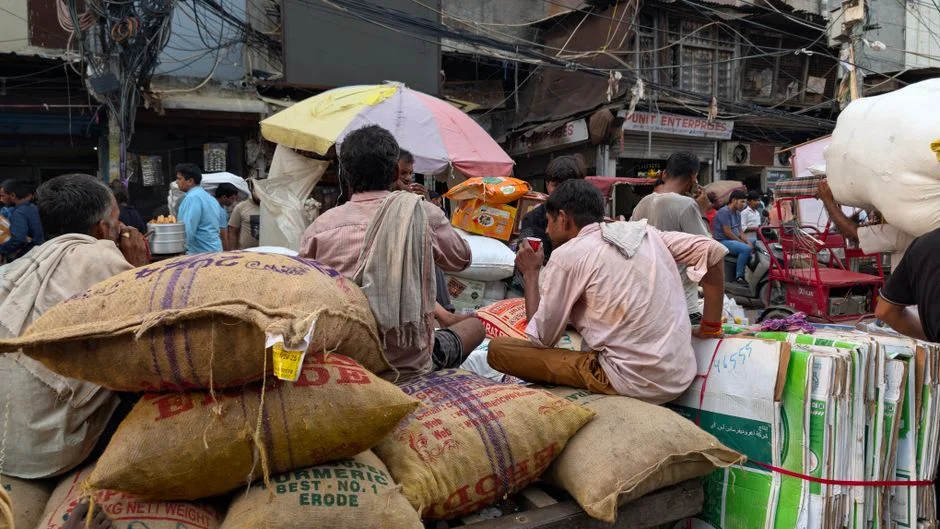
The price rise in LPG has a direct impact on the daily life of citizens in major urban centres like Delhi, Mumbai, and Bengaluru. For many households, LPG is a primary cooking fuel, and the increase translates to higher monthly expenses. This is particularly impactful for low-income families who are already managing tight budgets.
Small businesses, such as restaurants and food vendors, are also feeling the pinch. These enterprises, which form a significant part of the local economy, may have to increase their prices or absorb the cost, affecting their profit margins and customer base.
Community Response and Concerns
Local communities have expressed concerns over the sustainability of these price hikes. Residents in Delhi and Bengaluru have voiced their worries about how continuous increases could affect their standard of living. Community groups and consumer forums are advocating for government intervention to provide subsidies or relief measures to cushion the impact.
There is a growing demand for the government to explore alternative energy sources and solutions to reduce dependency on LPG. This includes investments in renewable energy technologies that could eventually offer a more sustainable and affordable option for the masses.
What to Watch Next
As the country adjusts to the new LPG prices, the focus will be on potential government measures to alleviate the financial burden on households and businesses. Citizens are keenly watching for any announcements of subsidies or other forms of financial support. Additionally, the long-term strategy of the Ministry of Petroleum and Natural Gas in stabilising fuel prices will be crucial.
Upcoming policy announcements and global oil market trends are expected to play a significant role in determining future LPG pricing. Consumers and businesses alike will need to monitor these developments closely as they plan their financial strategies for the coming months.
See Also
- Fayose’s Son Seizes Ekiti Assembly Ticket in Key APC Primary
- Nigeria Cuts Fuel Supply as Iran Conflict Ripples Across Africa
These enterprises, which form a significant part of the local economy, may have to increase their prices or absorb the cost, affecting their profit margins and customer base.Community Response and ConcernsLocal communities have expressed concerns over the sustainability of these price hikes. Additionally, the long-term strategy of the Ministry of Petroleum and Natural Gas in stabilising fuel prices will be crucial.Upcoming policy announcements and global oil market trends are expected to play a significant role in determining future LPG pricing.