In an explosive memo, the White House has accused Chinese companies of mass theft of artificial intelligence technologies, raising serious geopolitical and economic concerns. The document, released by White House Chief Technology Officer Michael Kratsios, alleges that these actions undermine global innovation and economic stability. The memo highlights that this technological theft could potentially disrupt markets and economies worldwide, including in India.
White House Accusations Against China
The memo from the White House details an extensive pattern of intellectual property theft by Chinese firms, which reportedly includes AI technologies valued at billions of dollars. Kratsios emphasised that these actions represent a direct threat to research and development efforts in the United States and other countries reliant on technology and innovation.
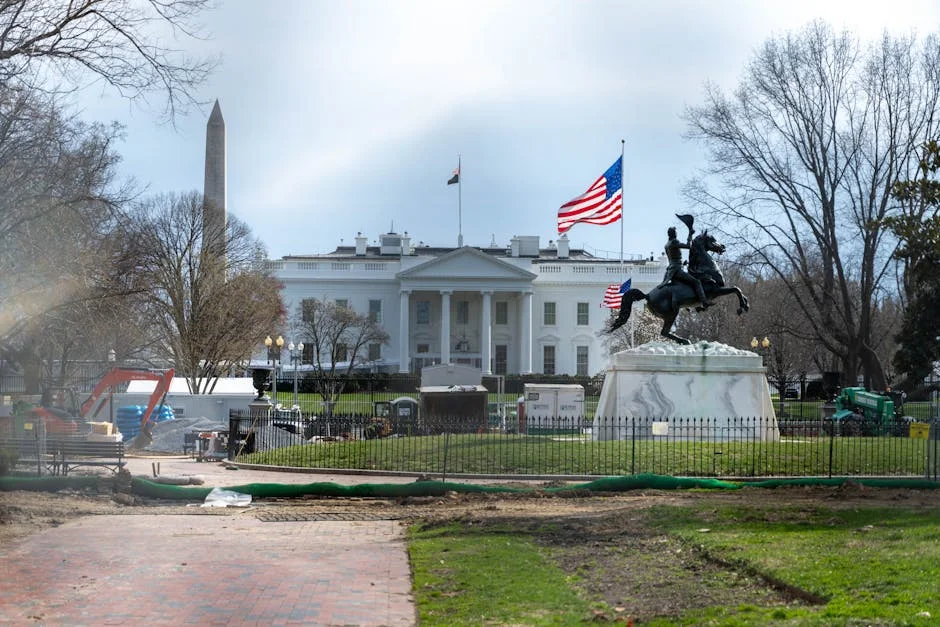
The memo has drawn attention to the increasing tensions between the US and China, with AI technology being a critical frontier in this competition. Washington, D.C., where these policy discussions are taking place, views this as not just an economic concern but a matter of national security.
Impact on Indian Economy and Technology Sector
India, as a burgeoning tech hub, is closely monitoring these developments. The country's technology sector, which includes major players like Infosys and Tata Consultancy Services, could face both challenges and opportunities. The alleged theft could lead to stricter regulations on collaborations with Chinese firms, impacting Indian companies that have ties or partnerships with them.
Moreover, the potential for increased AI investment in India by Western companies, seeking alternatives to Chinese partnerships, could boost the local economy. However, this also comes with the risk of heightened scrutiny and regulatory pressures, which could complicate India's tech landscape.
Community Response and Concerns
Within India, there is a growing concern among local businesses and technologists about the implications of the White House memo. Many are questioning how this will affect ongoing projects and international collaborations. Local tech forums in Bengaluru, India's Silicon Valley, have been buzzing with discussions on the potential impacts.
Experts fear that any escalation in US-China tensions could lead to broader geopolitical shifts, affecting trade policies and international relations. The Indian government may need to navigate these complexities carefully to protect its interests while maintaining its global tech ambitions.
What to Watch Next
Looking forward, stakeholders in India should watch for any official response from the Chinese government and any subsequent actions by the US administration. The potential for new trade policies or sanctions could have ripple effects across global markets. Indian companies might want to reassess their strategic alignments and prepare for shifts in international tech collaborations.
Furthermore, as the situation evolves, it will be crucial to observe how major Indian tech firms adjust their strategies to either capitalise on or mitigate the risks associated with these allegations. The coming months could be pivotal in shaping the future of international AI cooperation and competition.