A groundbreaking platform developed by Criada promises to revolutionise Alzheimer's diagnosis by analysing voice patterns. Unveiled on October 15, 2023, this innovation uses artificial intelligence to detect early signs of Alzheimer's disease, potentially transforming healthcare approaches in India.
Understanding Criada's New Platform
Criada, a tech company based in Lisbon, Portugal, has developed a platform that can identify Alzheimer's disease through subtle changes in a person's voice. By assessing speech patterns, the platform aims to detect cognitive decline, offering a non-invasive and swift diagnostic tool.
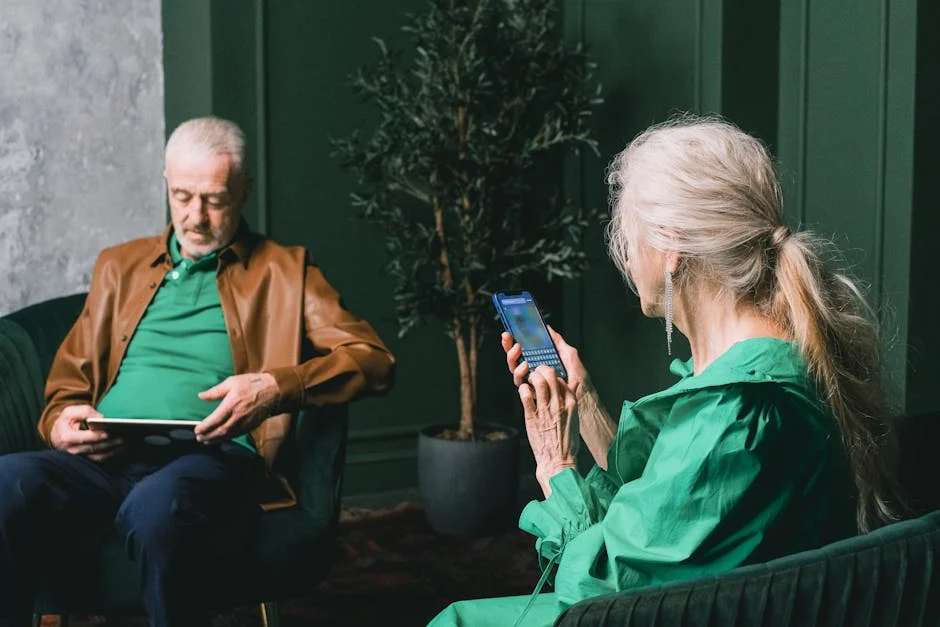
The platform's algorithm analyses various voice parameters, such as pitch, tone, and speed. This technology could be particularly beneficial in India, where access to healthcare facilities is uneven, and early diagnosis remains a significant challenge.
Implications for Indian Communities
With over 4 million people estimated to be living with Alzheimer’s in India, the need for early and accurate diagnosis is critical. Criada’s innovation could bridge significant gaps in healthcare, especially in rural areas where medical resources are scarce.
By providing an accessible tool that requires only a smartphone or a simple recording device, this platform could enable wider community participation in health screenings. This could lead to earlier diagnoses, slower disease progression, and better management of Alzheimer's symptoms.
Economic and Social Impact
The potential economic impact of early diagnosis through Criada’s platform is substantial. Early detection can reduce the long-term costs associated with Alzheimer’s care. As noted by the World Health Organization, early diagnosis can save up to 40% of dementia care costs by delaying the need for more intensive care.
Community Response and Adoption
Early trials of Criada's platform are already underway in several Indian cities, including Bengaluru and Mumbai. Healthcare professionals and local organisations have expressed optimism about the platform's potential to change the diagnostic landscape.
Dr. Priya Mehta, a neurologist in Mumbai, remarked, "This technology could be a game-changer, allowing us to reach more people and start treatment sooner." Community health workers are being trained to use the platform, ensuring its integration into existing healthcare systems.
Next Steps and Future Prospects
The Indian government is considering partnerships with Criada to expand this technology's reach. Discussions are ongoing about integrating the platform into national health programs, potentially making it a standard part of Alzheimer's screening procedures.
Looking forward, Criada plans to enhance the platform's capabilities, aiming to include other neurological conditions in its diagnostic scope. As the platform gains traction, it will be crucial to monitor its effectiveness and integration into India's diverse healthcare landscape. Stakeholders are keenly watching these developments, anticipating significant advancements in public health strategies.
See Also
- NHL Alters Playoff OT Rules — US Fans Brace for a Thrilling Change
- Aegon Launches New Insurance Plans Amid Rising Demand in India