On 1st May 2026, India’s Finance Ministry unveiled sweeping tax changes that will directly impact small businesses and individual taxpayers across the country. The new regulations aim to simplify compliance, but many fear the increased tax burden will challenge daily operations for local enterprises.
Key Changes in Tax Structure
The Finance Ministry confirmed a rise in Goods and Services Tax (GST) from 18% to 20% for several essential goods and services, effective from 1st July 2026. This decision is expected to generate an additional ₹50,000 crore in revenue for the government. However, it is also projected to increase the cost of living for average citizens, particularly affecting low-income families.
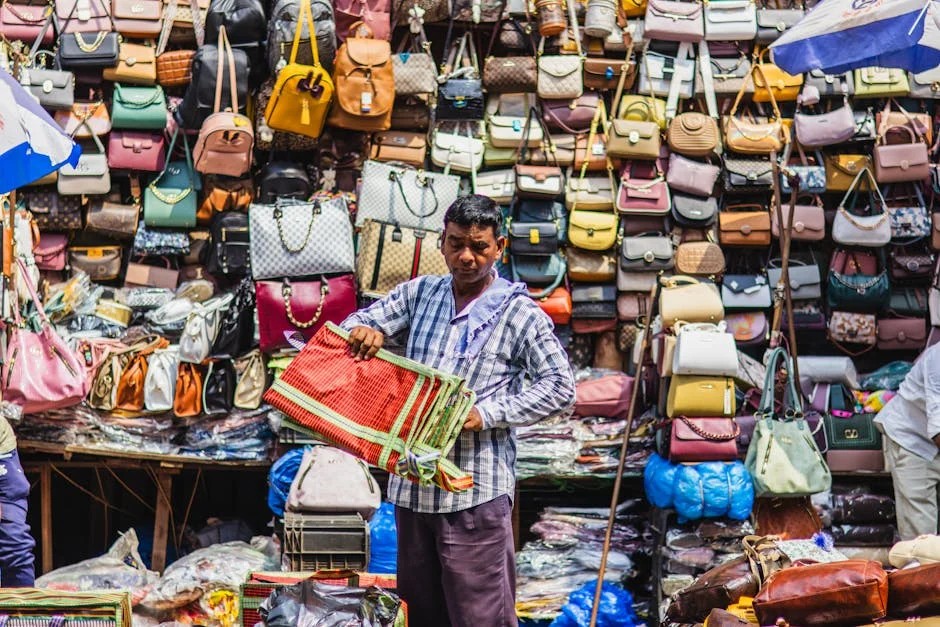
Additionally, the government has implemented stricter compliance measures for small businesses, requiring them to submit quarterly returns instead of the previous biannual filings. This change is aimed at increasing transparency but poses a significant administrative burden for many local entrepreneurs.
Impact on Small Businesses and Daily Life
Local small businesses, particularly in urban centres like Mumbai and Delhi, are likely to feel the pinch. Many owners, such as Ramesh Kumar, a local grocer in Delhi, expressed concern about the increase in GST. “It means I have to raise prices, which will push my customers away,” he stated. With living costs already rising, many fear these changes could lead to reduced consumer spending.
Furthermore, the new tax regulations could stifle the growth of businesses that are already operating on thin margins. Small retailers are worried about the increased complexity of tax reporting, which could deter people from running their own businesses.
Community Responses and Adaptation
Community leaders are rallying to address the concerns arising from these tax changes. The Confederation of All India Traders (CAIT) has announced plans to hold workshops to educate small business owners about compliance and the new tax structure. CAIT’s spokesperson, Suresh Agarwal, emphasised the need for the government to consider the implications of these changes on the grassroots level.
Moreover, various chambers of commerce are advocating for a phased implementation of the new GST rate to allow businesses time to adjust. They argue that a sudden increase may lead to widespread closures among small enterprises, affecting employment and community stability.
Looking Ahead: What Citizens Should Watch
As the country braces for these tax changes, citizens should keep an eye on upcoming public forums where local leaders will discuss strategies for coping with the increased financial pressures. The government is expected to review these regulations by the end of the year, and community feedback will play a crucial role in shaping future tax policies.
With the implementation date of 1st July 2026 fast approaching, individuals and business owners alike must prepare for the impact of these changes on their daily lives and financial planning. The coming months will be crucial in determining how effectively communities can adapt to the new tax landscape.