Primeiro Maio, a prominent labour union in Brazil, has announced plans for a nationwide strike in response to proposed labour reforms that threaten workers' rights. Scheduled for the 15th of November, this strike aims to mobilise workers across the country, particularly in cities like São Paulo and Rio de Janeiro, where the impact could be most pronounced.
What is Primeiro Maio?
Primeiro Maio, which translates to 'First of May', is a labour organisation that champions workers' rights and advocates for fair working conditions in Brazil. Founded on the ideals of social justice and equitable labour practices, the organisation has a history of organising protests and strikes to influence labour policy. Its latest campaign addresses recent government proposals that could undermine established workers' rights, leading to significant unrest among both employees and employers.
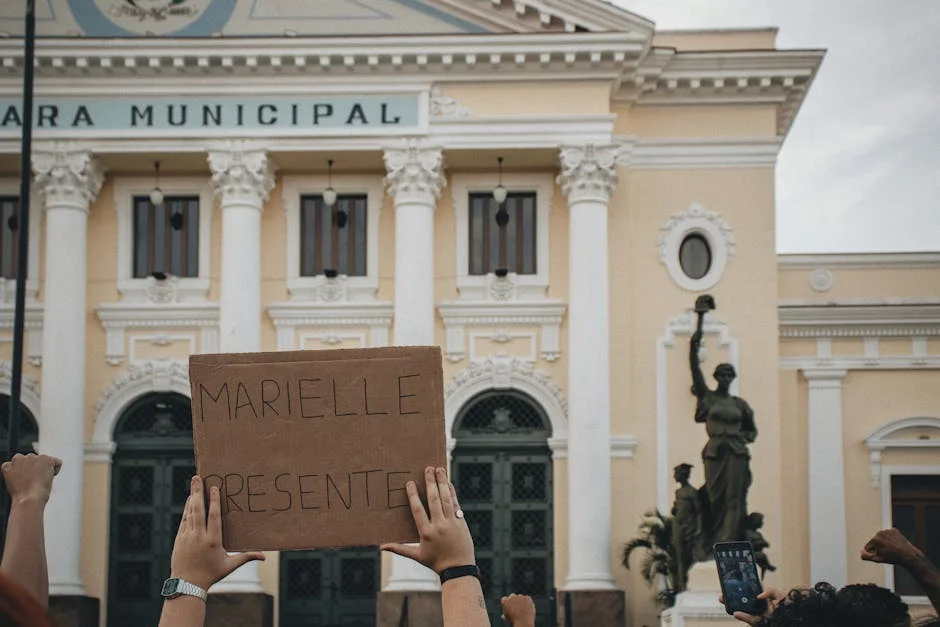
Potential Impact on Communities
The impending strike could lead to widespread disruptions across various sectors, including transportation, education, and healthcare. With an estimated 1.5 million workers expected to participate, local economies in affected areas may face severe challenges. Businesses that rely on daily foot traffic could see a decline in sales, while public services may grind to a halt, affecting citizens' daily lives.
Current Context and Responses
Brazil's government has proposed changes to labour laws that include reducing severance pay and allowing for more flexible working hours. These reforms, while aimed at stimulating economic growth, have raised concerns among workers about job security and fair compensation. Citizens have expressed their apprehensions through petitions and social media campaigns, urging the government to consider the implications of these changes. Local leaders, including São Paulo's Mayor Ricardo Nunes, have voiced their support for workers' rights, adding to the growing tension surrounding this issue.
What to Watch Next
As the strike date approaches, the focus will shift to how the government responds to Primeiro Maio's demands. A potential compromise or further escalation could shape the landscape of workers' rights in Brazil for years to come. Citizens should prepare for the possible disruptions and engage in community discussions on the implications of these proposed reforms for their everyday lives.