The impending billion-barrel oil shock in the Strait of Hormuz is poised to send ripples through India's energy market. With the possibility of a sharp decline in global oil demand, industries and consumers across India are bracing for potential economic impacts. The situation is particularly concerning for a country that heavily relies on oil imports to fuel its economy.
Hormuz's Critical Role in Global Oil Supply
The Strait of Hormuz, a narrow passage connecting the Persian Gulf with the Arabian Sea, is a vital artery for global oil transport. Approximately 21 million barrels of oil pass through this strategic chokepoint daily, accounting for nearly a fifth of the world's oil supply. Any disruption here can have far-reaching effects on global energy markets, including India's.
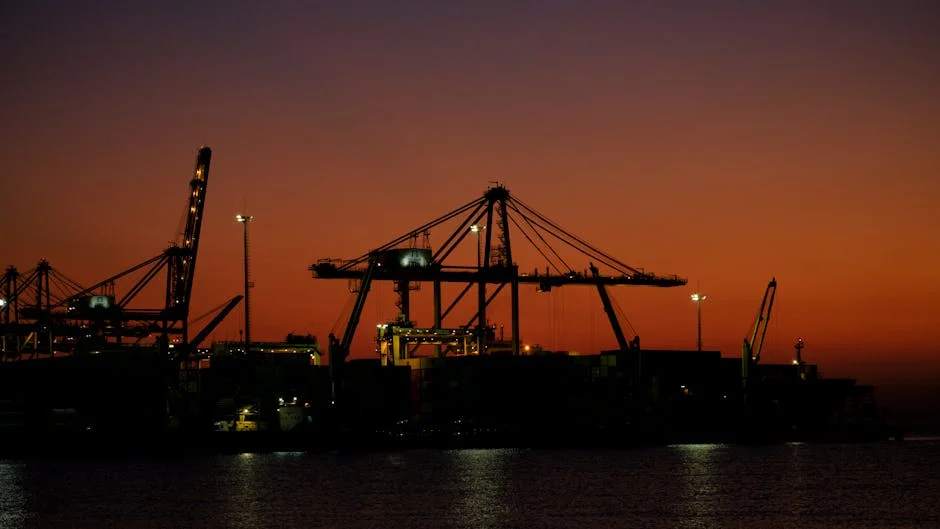
Historically, the Strait has been a flashpoint for geopolitical tensions, but the current situation is driven by market dynamics rather than political conflict. A sudden drop in demand due to the oil shock could lead to surplus supply, affecting oil prices worldwide. For India, this could mean both opportunities and challenges as the country navigates the complexities of international oil trade.
Local Economic Impact on India
India imports over 80% of its crude oil requirements, primarily from the Middle East. A shift in oil prices can significantly impact the Indian economy, influencing everything from transportation costs to inflation rates. In the short term, lower oil prices might benefit consumers and industries by reducing fuel costs. However, the volatility associated with such changes could also lead to uncertainty in the market.
The Indian government and businesses may need to reassess their energy strategies in light of the Hormuz oil shock. Diversifying energy sources and increasing domestic production could become key priorities. Furthermore, sectors such as transportation and manufacturing, which are heavily dependent on oil, might face operational adjustments to manage costs.
Community and Social Implications
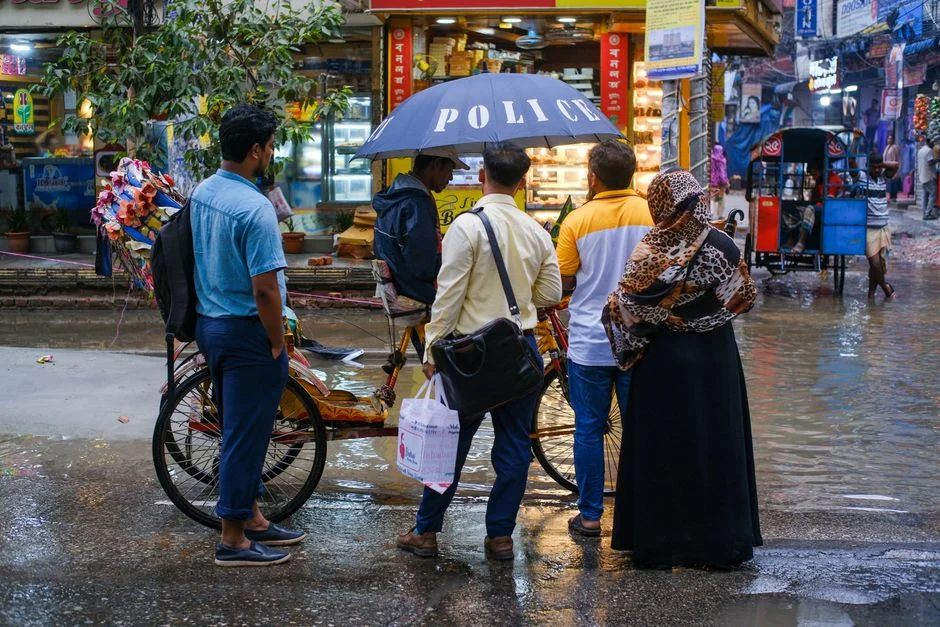
For the average Indian citizen, changes in oil prices can directly affect daily life. Transportation costs could fluctuate, impacting everything from daily commutes to the price of goods. Rural communities, often more vulnerable to economic shifts, might experience altered agricultural input costs, influencing crop prices and livelihoods.
Socially, the prospect of fluctuating oil prices can create anxiety among citizens about the cost of living. The government may need to intervene with policy measures to stabilise prices and mitigate the effects on the most vulnerable populations. Community resilience will be crucial in adapting to these potential economic shifts.
Looking Ahead: Strategic Adjustments
The coming months will be critical as India adjusts to the changing dynamics of the global oil market triggered by the Hormuz event. Policymakers, businesses, and consumers will need to stay informed and agile, ready to adapt to the evolving scenario. Monitoring global oil trends and their implications for India will be essential in making informed decisions.
As the world watches the unfolding situation at the Strait of Hormuz, India must prepare for both the challenges and opportunities that this oil shock presents. Stakeholders should focus on long-term energy security strategies, investing in renewable resources, and enhancing energy efficiency to safeguard against future market disruptions.
See Also
- India's Rupee Plummets as West Asia Crisis Triggers Economic Uncertainty
- Iranian Warship Calls for Help: Indian Navy Responds with Aircraft and Vessel
Diversifying energy sources and increasing domestic production could become key priorities. Transportation costs could fluctuate, impacting everything from daily commutes to the price of goods.