Egypt's recent military exercises along its border with Israel have raised eyebrows across the Middle East and beyond. The drills, reported to have taken place over several days near Sinai, have prompted discussions about regional security and potential geopolitical signals.
Background of the Military Exercises
The Egyptian military, known for its significant role in regional stability, regularly conducts exercises to enhance its operational readiness. However, the proximity of these drills to the Israeli border has sparked speculations about their true intent. While both countries have maintained a peace treaty since 1979, the exercises have been closely monitored by international observers.
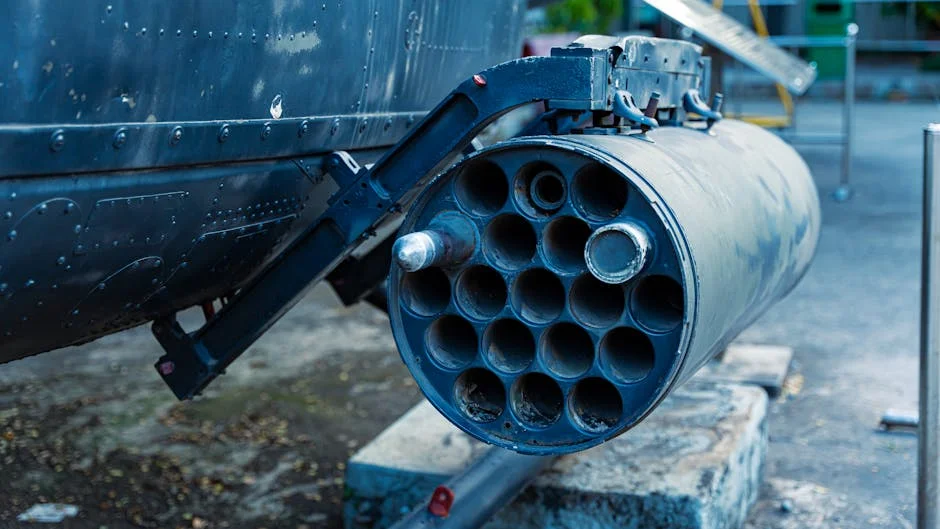
The drills reportedly involved units from the Egyptian army's Second Field Army, a force based in Ismailia, which is strategically located close to the Sinai Peninsula. These exercises included various maneuvers and showcased the use of advanced military hardware.
Impact on Local Communities
For citizens living in the border regions, especially in areas like Sinai, the presence of heightened military activity can lead to increased anxiety. Local economies, which often rely on tourism and cross-border trade, may experience disruptions. Residents in these areas have expressed concerns about potential escalations that could affect their daily lives.
The exercises have been viewed with caution by the Israeli government, which has expressed the need for clear communication between the two countries to prevent misunderstandings. Given the historical context of the region, any military activity is likely to be scrutinized closely both locally and internationally.
Responses from the International Community
While Egypt maintains that the exercises are routine, the timing and location have led to varied reactions. The United Nations has urged both nations to maintain diplomatic channels to ensure stability. In India, where regional stability impacts energy prices and trade routes, the situation is being watched closely, particularly by industries dependent on peace in the Middle East.
Reactions from India
India, which maintains friendly relations with both Egypt and Israel, has expressed hope that the situation remains peaceful. The Ministry of External Affairs has highlighted the importance of stability in the region for broader economic implications, particularly concerning energy imports and the safety of Indian nationals living and working in the Middle East.
Future Developments to Watch
The coming weeks will be critical in observing how diplomatic ties between Egypt and Israel evolve. It is expected that both countries will engage in dialogue to address any misunderstandings and reassure their respective populations. Additionally, ongoing monitoring by international organisations and neighbouring countries will be vital in maintaining regional peace.
For those keeping a close eye on Middle Eastern developments, the focus will remain on upcoming bilateral meetings and potential adjustments in military postures. Observers will also monitor any changes in cross-border trade and the impact on local economies, particularly in border regions like Sinai.