As the world's largest landlocked country, Kazakhstan offers unique challenges and opportunities in global trade and regional security. The situation of landlocked countries, including nine others such as Mongolia and Afghanistan, is particularly relevant to India, which shares borders and strategic interests with several of them.
Kazakhstan and Its Impact on Regional Trade
Kazakhstan, with a land area of 2.7 million square kilometers, is not just the largest landlocked country but also a major player in Central Asia. Its vast resources and strategic location make it a key partner in initiatives like China's Belt and Road, which affect trade routes through India.
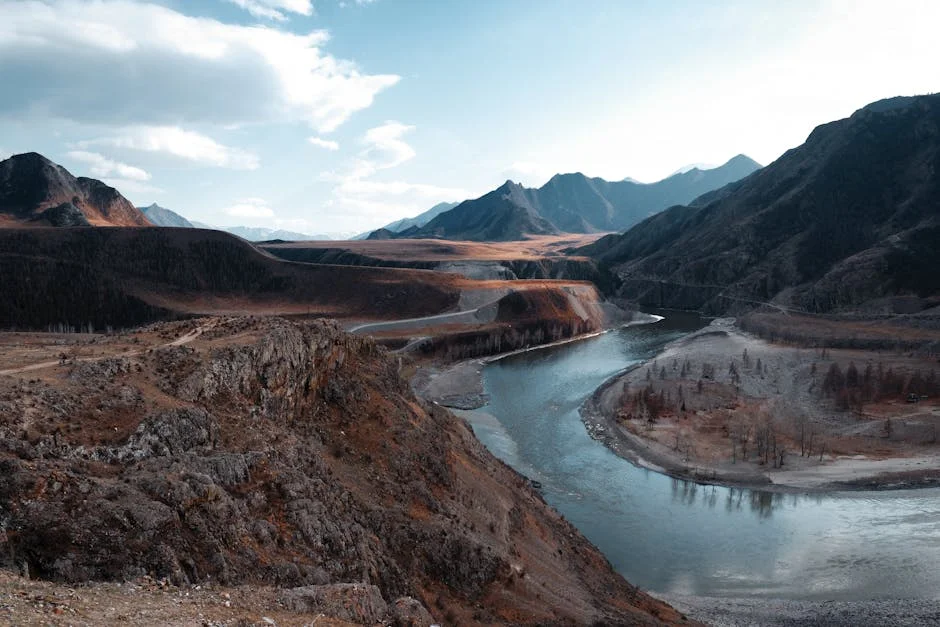
India's trade with Kazakhstan has been growing steadily, with bilateral trade reaching over $1.9 billion in 2022. The country's potential as a transit hub is significant, influencing how goods move between Europe and Asia. This also impacts India's trade logistics and costs.
Security and Geopolitical Implications
Security concerns are paramount for landlocked nations like Afghanistan and Mongolia. India's strategic partnerships with these countries can affect regional stability and security dynamics. The role of the Indian government, especially through the Ministry of External Affairs, is crucial in navigating these relationships.
Afghanistan, though smaller in size compared to Kazakhstan, holds a strategic position in South Asia. India's investments in Afghan infrastructure and education have been part of its broader strategic interests in maintaining influence in the region.
India's Strategy and Regional Cooperation
India has actively pursued regional cooperation through forums like the Shanghai Cooperation Organization (SCO) and has sought to enhance connectivity with landlocked neighbors. This is particularly evident in initiatives like the International North-South Transport Corridor (INSTC), aimed at reducing transit times and costs.
Collaboration with these countries is not just about economic benefits but also about strengthening diplomatic ties and regional security. India's position as a major regional power allows it to influence peace and development strategies in landlocked countries.
The Economic Challenges of Being Landlocked
Landlocked countries face unique economic challenges, often having higher transportation costs and limited access to global markets. These factors significantly impact their economic growth and development. India's own experiences with landlocked neighbors highlight these challenges.
Infrastructure development, such as roads and railways, remains a priority for these nations. India has supported infrastructure projects in Bhutan and Nepal, aiming to enhance connectivity and reduce trade barriers.
Looking Forward: Opportunities for India
The future of India's relations with landlocked countries in its region holds several opportunities. As regional connectivity projects advance, India is poised to play a pivotal role in facilitating trade and ensuring security.
Upcoming regional meetings and forums will be crucial for discussions on enhancing cooperation. India's ability to leverage its strategic position and foster partnerships with these countries will be essential for economic and geopolitical stability in South Asia and beyond.