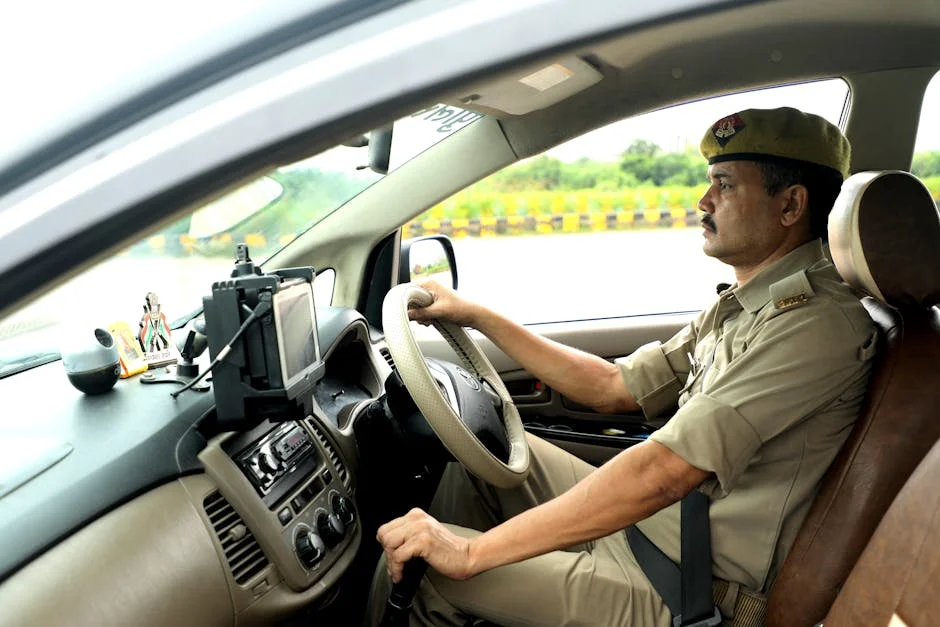
India's Ministry of Communications has rolled out an AI-powered traffic management initiative that promises to cut congestion and improve road safety. The pilot project, launched in three major cities—Delhi, Mumbai, and Bengaluru—uses real-time data from ChatGPT-powered tools to predict traffic patterns and reroute vehicles. The move comes amid rising concerns over urban mobility and the need for smarter infrastructure. The initiative, which started on 1 April 2025, has already seen over 200,000 users report improved travel times, according to a preliminary survey by the National Institute of Urban Affairs.
How the AI System Works
The AI system, developed in partnership with a tech startup called UrbanFlow, analyses data from traffic cameras, GPS devices, and social media to identify bottlenecks. It then sends alerts to drivers via a mobile app, suggesting alternate routes. The system also adjusts traffic light timings in real time, reducing idle times by up to 18% in pilot areas, according to early data. The Ministry of Communications said the initiative is part of a larger effort to modernise urban transport networks across the country.
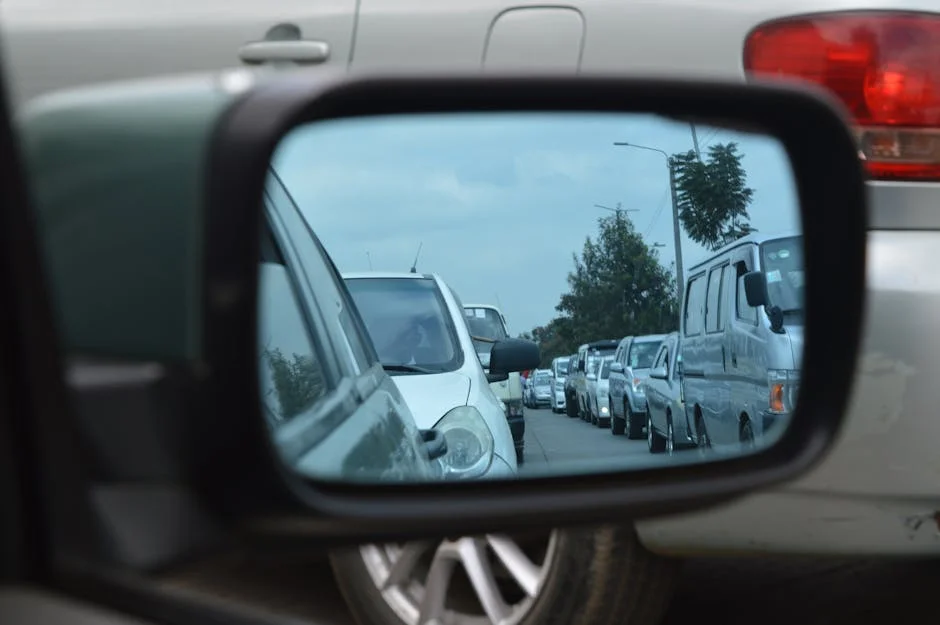
“This is a game-changer for cities that struggle with daily gridlock,” said Ravi Mehta, a transport analyst at the Indian Institute of Technology Delhi. “By leveraging AI, we’re not just reacting to traffic— we’re predicting and preventing it.” The system is available to all drivers through a free app, with plans to expand to 10 more cities by the end of 2025.
Local Impact on Daily Life
Residents of Delhi’s south district have already felt the difference. “I used to spend 45 minutes commuting to work,” said Priya Sharma, a software engineer. “Now, the app suggests a route that cuts my travel time by 20 minutes.” Similar reports have come from Mumbai’s Bandra area, where traffic congestion has historically been a major issue. In Bengaluru, the system has helped reduce delays during peak hours by 15%, according to a study by the Bangalore Traffic Police.
Small businesses in these cities have also seen a positive effect. “More customers are coming in because they can reach us faster,” said Arjun Patel, owner of a café in Chikka Tirupathi. “The app helps them avoid the worst of the traffic, which is a big relief.” The Ministry of Commerce has noted that smoother traffic flow could boost local economies by reducing delivery times and increasing consumer footfall.
Challenges and Concerns
Despite the early success, some residents remain skeptical. “The app is helpful, but it doesn’t account for sudden road closures or accidents,” said Anand Kapoor, a taxi driver in Mumbai. “We still need human oversight.” Others worry about data privacy. The app collects location data, which has raised concerns among civil society groups. “We need clear guidelines on how this data is stored and used,” said Meera Desai, a digital rights activist in Bangalore.
The Ministry of Communications has acknowledged these concerns. A spokesperson said, “We are working closely with privacy experts to ensure that all data is handled securely. Transparency is a priority.” The government has also pledged to provide free training sessions for drivers to help them use the app effectively.
Future Expansion and Policy Changes
The initiative is expected to expand beyond the initial three cities by the end of 2025. The Ministry of Communications has announced that it will integrate AI traffic management into the National Urban Transport Policy, a move that could set a precedent for other countries in the region. The policy aims to reduce urban traffic congestion by 25% across major cities by 2030.
In addition to traffic management, the government is exploring AI applications in public transport, such as real-time bus tracking and predictive maintenance for metro systems. These changes could significantly improve the commuting experience for millions of Indians.
What to Watch Next
By the end of 2025, the AI traffic initiative is expected to cover 10 more cities, with a focus on smaller urban centres. The Ministry of Communications has also announced a public consultation process to gather feedback on the system’s performance. Citizens will have until 15 July 2025 to submit their views on the app’s effectiveness and data privacy measures.
The success of this initiative could influence future transport policies across the region, particularly in countries facing similar urban mobility challenges. As more cities adopt AI-driven solutions, the long-term impact on daily life, the economy, and environmental sustainability will become clearer in the coming months.
See Also
- Carroll County TN Launches New Infrastructure Plan — Residents Demand Clarity
- Lisbon's Lúmen Operation Unveils 8M Euros in Questionable Contracts
Challenges and Concerns Despite the early success, some residents remain skeptical. The app collects location data, which has raised concerns among civil society groups.