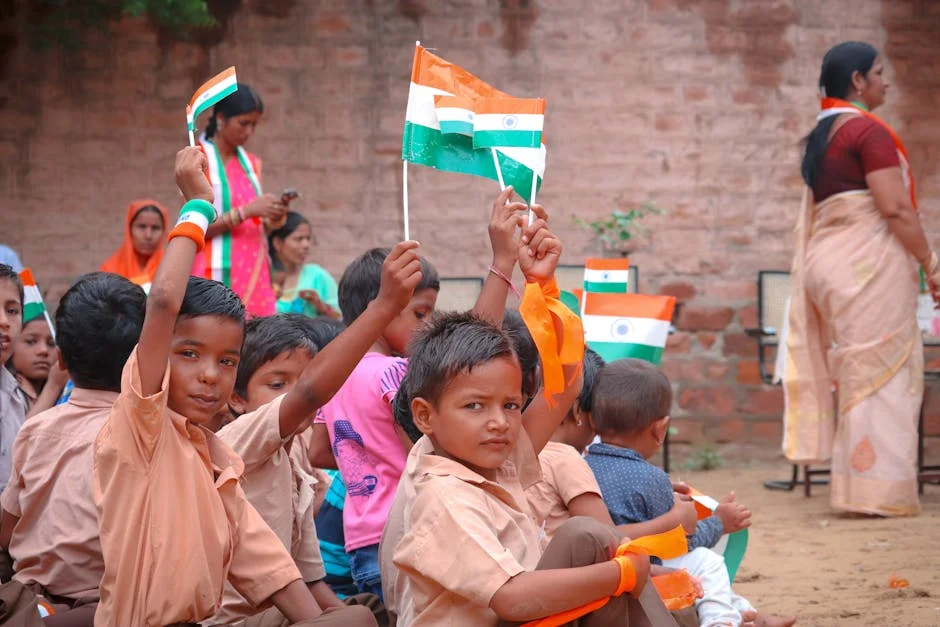
India's recent census efforts have taken an innovative turn by incorporating stamps and postcards into its data collection process. The initiative aims to engage citizens and enhance participation, ultimately aiming for a comprehensive count of the population, which is essential for resource allocation and policy-making. The 2021 census, originally scheduled for April 2021, faced delays due to the pandemic but is now set to begin by December 2023.
The Role of Stamps and Postcards in Census Collection
Using stamps and postcards is part of the Census Directorate's strategy to encourage participation from citizens across India. The Ministry of Home Affairs has reported that this participatory model aims to garner interest from the public, especially in remote areas. The Government hopes that these traditional communication tools will resonate more with individuals, encompassing various demographics, to ensure a representative sample.

The decision to integrate stamps stems from their historical significance in India, where they have been used for communication since the 19th century. This nostalgic approach aims to evoke a sense of belonging and responsibility among citizens, prompting them to take an active role in the census.
Understanding the Importance of the Census for Local Communities
The census is crucial for understanding demographic trends, which influence community development and resource distribution. In India, a population of over 1.4 billion makes accurate census data vital for providing services such as healthcare, education, and infrastructure. With the last census conducted in 2011, updated figures are critical for addressing the needs of burgeoning urban populations such as those in Mumbai and Delhi.
Local governments depend on this data to plan and budget effectively. For instance, the allocation of funds for public services is often based on the census count, making an accurate headcount essential for equity in resource distribution across states and regions.
Engagement Strategies Targeting Rural Areas
The Government has rolled out various strategies to ensure high participation, especially in rural areas where awareness may be low. Local influencers and village leaders are being enlisted to educate communities about the census and its importance. Additionally, campaigns leveraging social media and local events are planned to raise awareness.
In regions like Bihar, where literacy rates are lower, community meetings are being conducted to explain the process in local dialects, ensuring inclusivity. These efforts are designed to bridge the gap in participation rates between urban and rural populations.
Challenges Ahead for the Census Process
While the use of stamps and postcards may increase participation, the census still faces significant challenges. The lingering effects of the pandemic have created a hesitant environment, with many citizens unsure about sharing personal data. Concerns about data privacy and security will need addressing as the process unfolds.
Moreover, logistical hurdles remain, particularly in remote areas where access to postal services is limited. The Government must ensure that all regions, including isolated villages, receive adequate attention to achieve a complete count.
The Role of Technology in Modern Census Efforts
In addition to traditional methods, technology will play a pivotal role in the 2023 census. The Ministry of Home Affairs is introducing digital platforms for data collection, allowing citizens to complete their census forms online or via mobile apps, improving convenience. This hybrid approach may help mitigate the challenges posed by the pandemic.
Technology could also facilitate real-time data analysis, enabling local officials to monitor progress and address issues swiftly during the counting phase. The integration of these tools reflects a significant change in how India is approaching its census, marrying tradition with modernity.
What Lies Ahead for Citizens and Communities
As the countdown to the census begins, citizens are urged to engage actively in the process. Community leaders and local organisations are expected to ramp up their efforts to inform and motivate individuals to participate. The outcome of this census will have lasting implications for social services, economic planning, and representation in governance.
Looking forward, the Government plans to conduct a series of outreach activities leading up to December 2023 to ensure that every citizen's voice is counted. The success of this census will not only reflect the current population dynamics but also set the stage for future policies and development initiatives across India.
See Also
- Siddaramaiah and Nitish Kumar Signal the End of Their Socialist Era
- Google Pixel 11 Wallpapers Leak — Full Official Collection Before Launch
The integration of these tools reflects a significant change in how India is approaching its census, marrying tradition with modernity.What Lies Ahead for Citizens and CommunitiesAs the countdown to the census begins, citizens are urged to engage actively in the process. These efforts are designed to bridge the gap in participation rates between urban and rural populations.Challenges Ahead for the Census ProcessWhile the use of stamps and postcards may increase participation, the census still faces significant challenges.
What is the latest news about india harnesses stamps to enhance citizen count a historical shift?
Why does this matter for culture-religion?
What are the key facts about india harnesses stamps to enhance citizen count a historical shift?