Stamps and postcards are playing a pivotal role in India's latest census, aiding the government to register an accurate population count. The Census of India, mandated to be conducted every ten years, faced delays due to the pandemic and other logistical issues. With the census now expected to begin in April 2024, the use of these traditional postal tools serves to remind citizens of their civic duty to participate.
Postcards: A Tool for Outreach
In an innovative approach, the Ministry of Home Affairs has launched a campaign using postcards to encourage citizens to respond to the census. Each postcard features information about the importance of the census while urging residents to participate. The initiative aims to reach remote areas where awareness about the census might be low, ensuring that even the most isolated communities are counted.
This initiative is particularly crucial for states like Uttar Pradesh, which has a population of over 200 million people, making it vital to capture an accurate demographic profile. By deploying these postcards, the government hopes to engage citizens who would otherwise remain uninformed about the census process.
Impact on Local Governance
The accurate counting of citizens influences local governance significantly. Census data provides the foundation for resource allocation, funding for public services, and development planning. For regions such as Bihar, where a large section of the population lives below the poverty line, accurate census data can help secure more resources from the central government for welfare programs.
Local governments depend on these numbers to support their budgets and implement development projects. The data helps identify areas that need urgent attention, including education, healthcare, and infrastructure. Failure to include a significant portion of the population could result in deprived services for those most in need.
Challenges Faced in Census Execution
Despite these initiatives, the census is not without its challenges. Numerous states have reported difficulties in accessing certain rural areas due to inadequate infrastructure and political resistance. Additionally, misinformation and fear among communities regarding data privacy may hinder participation.
For instance, in regions like Jharkhand, tribal communities have expressed concerns that their identities may not be represented accurately. The government must address these concerns proactively to ensure that all communities feel secure in participating.
The Role of Technology in Modern Census
Alongside the traditional methods, the Census of India has also adopted digital tools to streamline the counting process. Mobile applications and online portals allow citizens to fill out census forms conveniently. This dual approach of combining digital methods with traditional outreach, including the use of stamps and postcards, aims to reach a broader audience.
However, the digital divide poses a significant barrier in remote areas. Many individuals lack access to smartphones or the internet, making the postcard campaign essential for engaging these populations. The government is also exploring means to provide mobile internet access in hard-to-reach areas to aid in census participation.
Community Engagement and Awareness
Community leaders and local organisations play a vital role in promoting awareness of the census. Collaborating with the government, they can ensure that residents understand the importance of their participation. Several NGOs in states like Kerala are already organising workshops to educate citizens about the census and its benefits.
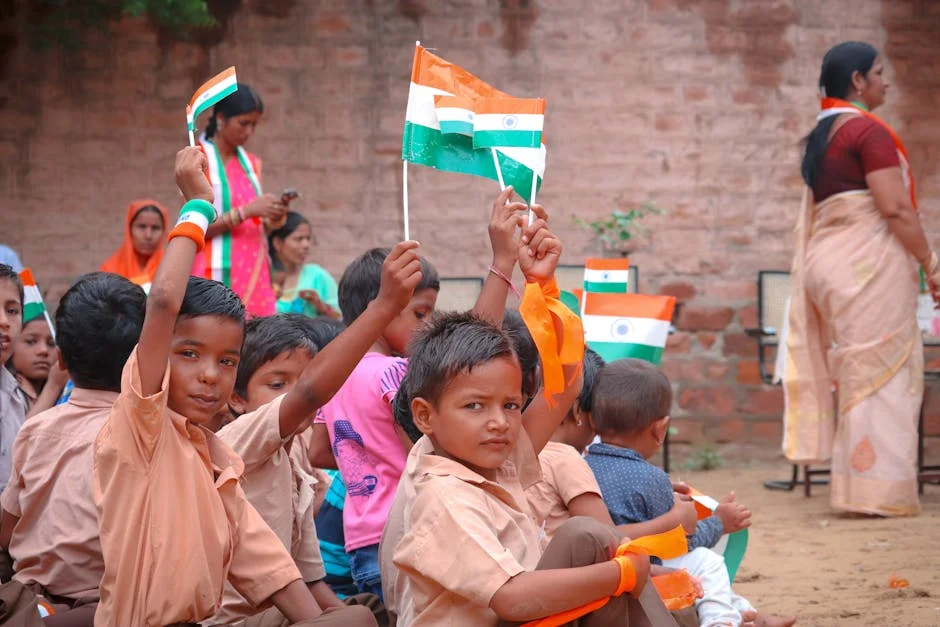
Additionally, schools are being used as platforms to inform students and, by extension, their families about the importance of census participation. Engaging youth is an effective way to multiply the message across communities, ensuring parents and guardians are also aware.
Looking Ahead: The Census Countdown
As the countdown to the census launch in April 2024 begins, the focus will be on maximising participation throughout the diverse regions of India. Governments and organisations must work collaboratively to address the barriers to participation identified in various communities. Ongoing strategies, including the postcard campaign, will be crucial to this effort.
Expect to see more initiatives aimed at engaging citizens leading up to the census date. The importance of accurate census data cannot be overstated, as it serves as the bedrock for future planning and development across the country.
See Also
- US Inflation Surges to 3.3% as Iran War Drives Energy Costs
- Cruz Warns of Government Shutdown Weeks Before Midterms
The government must address these concerns proactively to ensure that all communities feel secure in participating.The Role of Technology in Modern CensusAlongside the traditional methods, the Census of India has also adopted digital tools to streamline the counting process. This dual approach of combining digital methods with traditional outreach, including the use of stamps and postcards, aims to reach a broader audience.However, the digital divide poses a significant barrier in remote areas.