Indian Prime Minister Narendra Modi arrived in Australia this week to a reception that split public opinion — adoring crowds on one side and vocal human rights demonstrators on the other. Australian Prime Minister Anthony Albanese hosted Modi at an official welcome ceremony in Canberra, marking one of the Indian leader's most high-profile visits to a Western democracy. The contrasting scenes unfolded within metres of each other, drawing global attention to the complex balance between strategic partnership and values-based diplomacy.
Canberra ceremony draws thousands
The official welcome drew thousands of Indian Australians who gathered along ceremonial routes, waving Indian flags and chanting Modi's name. Many waited for hours in morning heat to secure a glimpse of the visiting leader. Albanese addressed the crowd alongside Modi, describing India's relationship with Australia as "a partnership built on trust, shared values, and a vision for the Indo-Pacific." The two leaders later held bilateral talks focused on trade, defence, and climate cooperation.
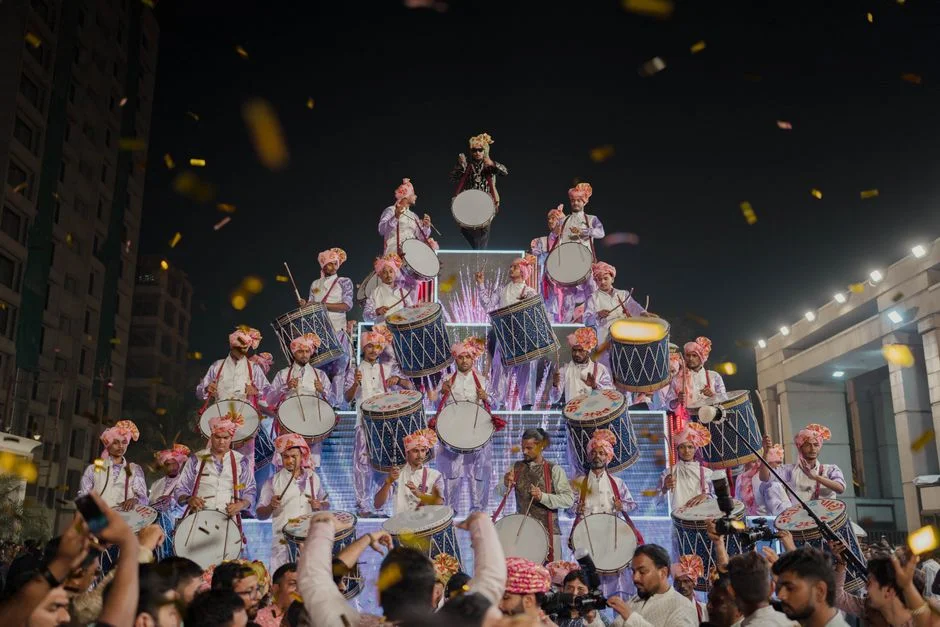
Organisers of the pro-Modi gathering told local media the event reflected the deep cultural ties binding India's diaspora to their homeland. Buses ferried supporters from Sydney and Melbourne, adding to the spectacle. The energy inside the venue stood in sharp contrast to the tension building outside its perimeter.
Protesters decry human rights record
Human rights groups staged a separate demonstration within sight of the official proceedings. Activists carried banners criticising Modi's government's record on religious minorities, press freedom, and civil liberties. Australian Sikh and Muslim community organisations were among the groups represented. Police maintained a cordoned protest zone away from the main venue, preventing any direct confrontation between the two crowds.
The protests reflected growing discomfort among some segments of the Australian public and political class about deepening ties with New Delhi. Several Australian senators publicly called on Albanese to raise human rights concerns during the bilateral talks. Albanese stated that Australia raises difficult topics "frankly and respectfully" but did not specify what, if anything, was discussed privately with Modi.
Trade and defence dominate the agenda
Ahead of the visit, both governments announced progress on a proposed trade deal aimed at doubling two-way commerce. Australia currently exports coal, wheat, and education services to India, while India supplies pharmaceuticals, information technology workers, and manufactured goods. The two sides also discussed expanding military exercises under the Quad framework alongside the United States and Japan.
Australian business groups welcomed the renewed focus on economic ties, arguing that India represents an underutilised market for Australian exporters. Indian Australian entrepreneurs pointed to the visit as a chance to reduce barriers affecting cross-border investment. Not everyone shared that optimism, with critics arguing human rights concerns should factor into any trade deal review.
A diaspora divided
The visit exposed fractures within India's extensive diaspora in Australia, which numbers more than 700,000 people according to the latest census data. Community leaders acknowledged that political polarisation back home has followed Indian migrants to Australian cities. Some supporters frame Modi's government as delivering economic growth and international stature for India. Critics argue his tenure has marginalised minority communities and eroded democratic safeguards.
Social media platforms amplified both narratives in the days surrounding the visit. Australian mainstream outlets covered the events extensively, reflecting the significance both governments attached to Modi's appearance. The coverage placed Australia alongside the United States and United Kingdom as Western nations that have hosted Modi despite criticism from rights organisations.
Albanese faces domestic pressure
Albanese's centre-left government has walked a careful line on foreign leaders with contested human rights records. His predecessor, Scott Morrison, hosted Modi during a 2020 trip that was overshadowed by trade disputes and pandemic-related border closures. The current visit comes as Albanese seeks to position Australia as a regional leader in the Indo-Pacific, a strategy that requires engaging with democracies and non-democracies alike.
Australian opposition lawmakers called for transparency about any commitments made during the visit. Questions remain about whether Modi and Albanese discussed a potential uranium export deal, which would be controversial given India's nuclear programme and its refusal to sign the Non-Proliferation Treaty. Neither government confirmed such talks took place.
What to watch in the coming weeks
The full text of any joint statements released after the talks is expected within days. Australian officials indicated that details of proposed trade agreements would require parliamentary approval and public consultation before becoming binding. Community advocates on both sides vowed to continue mobilisation efforts regardless of the official outcome.
India's next general election looms as a backdrop to Modi's international engagement, with the Australian visit serving partly as a platform to reach diaspora audiences ahead of that vote. How Albanese navigates the competing pressures of strategic partnership and domestic human rights expectations will shape the relationship's trajectory well beyond this week's ceremonies.
See Also
- Nagendra Nath Tripathi Takes Charge as BJP's National Organiser — What Comes Next?
- Drone Strikes Kill Dozens in Southern Sudan - April's Grim Update
Not everyone shared that optimism, with critics arguing human rights concerns should factor into any trade deal review.A diaspora dividedThe visit exposed fractures within India's extensive diaspora in Australia, which numbers more than 700,000 people according to the latest census data. Australian mainstream outlets covered the events extensively, reflecting the significance both governments attached to Modi's appearance.
What is the latest news about modi gets rock star welcome in australia human rights protests swell outside venue?
Why does this matter for politics-governance?
What are the key facts about modi gets rock star welcome in australia human rights protests swell outside venue?