Siddaramaiah and Nitish Kumar, prominent figures in Indian socialist politics, are stepping back from their roles. This change comes at a time when many communities feel the strain of economic issues across India. Both leaders have traditionally held significant influence in their respective regions, making their exit noteworthy for citizens.
A Shift from Longstanding Leadership
On Tuesday, in a move that has sent ripples across the political landscape, Nitish Kumar announced his resignation as Chief Minister of Bihar after nearly two decades in power. Siddaramaiah, a key leader in Karnataka, is also reportedly considering stepping away from active politics. Their departures raise critical questions about the future of governance in states where their policies have shaped daily life.
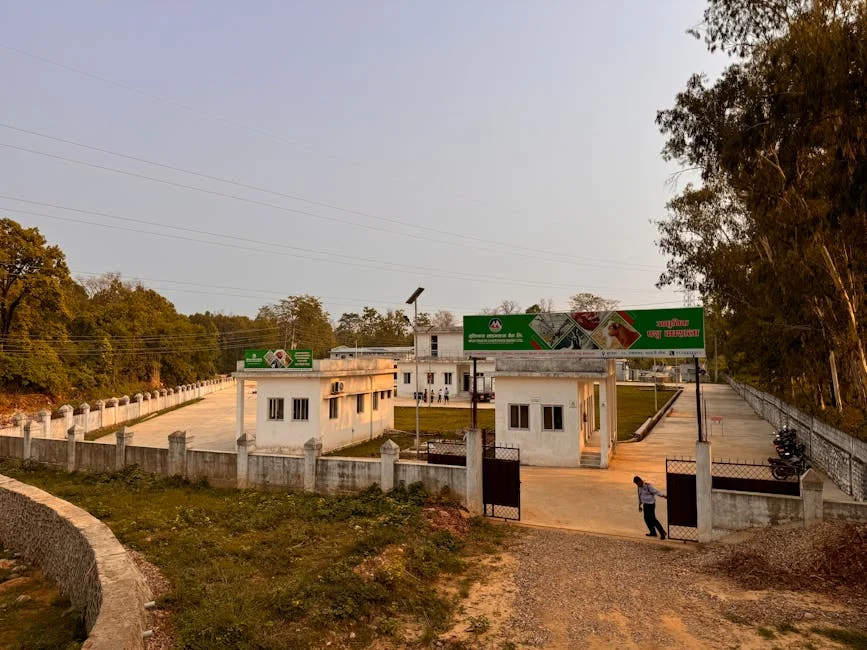
Both politicians have contributed to various social welfare schemes aimed at improving the livelihoods of millions. Nitish Kumar’s ‘Bihar Mukhyamantri Kanya Utthan Yojana’ aimed at empowering girls, while Siddaramaiah’s initiatives have focused on enhancing education and healthcare facilities in Karnataka. Their exits could mean the end of these policies, leaving citizens uncertain about future benefits.
The Economic Consequences for Citizens
The resignation of these leaders does not just signify a political shift; it has tangible implications for local economies. Communities in Bihar and Karnataka heavily rely on state-funded welfare programs. Reports show that over 50% of families in Bihar benefited from Nitish Kumar's schemes, which supported education and health services.
With Kumar stepping down, local businesses and public services may face funding cuts or policy reversals. Citizens, particularly in rural areas, are anxious about how their day-to-day lives will be affected, especially those dependent on these support systems.
Public Reaction and Community Response
Reactions from the public have been mixed. In Bihar, many residents expressed concern, fearing instability and a decline in support services. “We’ve relied on these programs for years. What will happen to us now?” said a local shopkeeper in Patna. Protests are expected as citizens demand clarity on the direction of leadership and policies.
Conversely, some community leaders view this as an opportunity for change, hoping for fresh faces to bring new ideas. As these transitions unfold, both regions are bracing for the impact. Local elections are on the horizon, and the political vacuum may alter party dynamics significantly.
The Future of Socialist Politics in India
This moment marks a pivotal turning point in socialist politics within India. The landscape, which has long been dominated by figures like Kumar and Siddaramaiah, is set for a shake-up. Their absence leaves room for new philosophies and possibly new alliances in Indian politics.
The recent developments can influence elections slated for early next year, especially in states like Uttar Pradesh, where the political implications will be felt deeply. Analysts are watching closely to see how the withdrawal of these leaders reshapes party strategies and voter sentiments.
Next Steps and What to Expect
As the political scene evolves, community leaders are calling for dialogues to address the uncertainty. Local forums are being arranged to engage the public in discussions about future governance and policies. The first of these meetings is set for December 15 in Patna, where residents can voice their concerns and hopes for the future.
Additionally, potential successors are being touted, with parties gearing up for a robust fight in the upcoming elections. Citizens are urged to stay informed and involved, as the decisions made in the coming months will significantly impact their lives and communities.
See Also
- Buenos Aires Blends Faith and Techno in Tribute to Pope Francis
- Rassie Erasmus Claims Coach of the Year Award — What This Means for South Africa
What is the latest news about siddaramaiah and nitish kumar signal the end of their socialist era?
Why does this matter for culture-religion?
What are the key facts about siddaramaiah and nitish kumar signal the end of their socialist era?