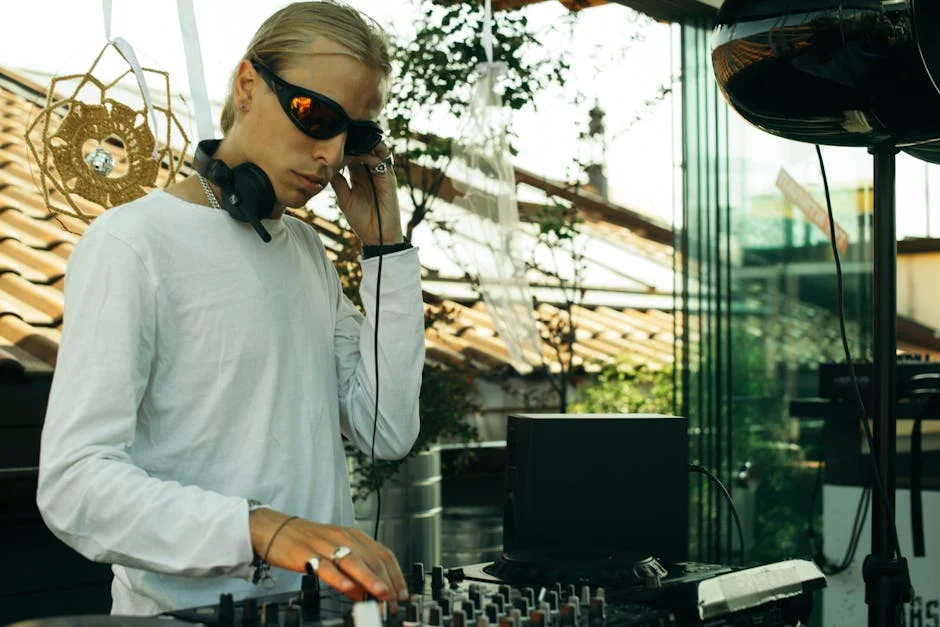
Buenos Aires hosted a unique event this week where techno music and religious devotion merged in a tribute to Pope Francis, sparking both admiration and controversy among locals. The event, held in the city's central district of Mayo, featured electronic music performances alongside religious hymns, drawing thousands of attendees. Organised by a local cultural collective, the event aimed to celebrate the Pope’s influence on Argentina’s identity and spiritual landscape.
Event Details and Local Response
The event took place on Saturday, with over 5,000 people gathering at the Plaza de Mayo, a historic site in the heart of Buenos Aires. The organisers, known as "Cultura y Fe" (Culture and Faith), described the event as a way to bridge the gap between modern youth culture and traditional religious values. "We wanted to show that faith can coexist with the energy of techno music," said Maria Lopez, a member of the collective. "It’s a new way to connect with young people who might not otherwise engage with religious themes."
While some residents praised the innovative approach, others expressed concern. "This is not how we remember the Pope," said Father Juan Martinez, a local priest. "The event feels more like a party than a tribute. We should be respectful of his legacy." The mix of music and faith also raised questions about the role of religion in public spaces and whether such events could be seen as commercialising sacred traditions.
Impact on Local Communities
The event had a direct impact on nearby businesses, with vendors reporting a surge in sales during the weekend. Local cafes and restaurants saw a 30% increase in customers, many of whom were drawn by the cultural atmosphere. "It was a great opportunity to bring in more people to our area," said Luisa Fernandez, a small business owner in the district. "But I hope the city can find a way to manage such events without disrupting daily life."
Residents in the surrounding areas also voiced mixed opinions. While some appreciated the cultural diversity and energy, others were frustrated by traffic congestion and noise. "It’s good to have events that bring people together, but we need better planning," said Carlos Mendez, a local council member. "We need to balance cultural expression with the needs of the community."
Religious and Cultural Significance
Pope Francis, born Jorge Mario Bergoglio in Buenos Aires, is a deeply revered figure in Argentina. His election as the first Jesuit Pope in 2013 was a moment of national pride, and his emphasis on social justice and humility resonates strongly with many Argentines. The event in Mayo aimed to reflect this connection, with music and art that echoed the Pope’s messages of compassion and unity.
Religious leaders and cultural experts have been following the event closely. "This is a reflection of how Argentina’s youth are reinterpreting their heritage," said Dr. Sofia Ramirez, a cultural historian at the University of Buenos Aires. "It’s a sign of evolving traditions and the way people engage with faith in modern times."
Looking Ahead
Organisers of the event have announced plans to host similar gatherings in other parts of the country, with a focus on different regions and cultural influences. "We want to continue this dialogue between faith and modernity," said Lopez. "But we also want to ensure that these events are inclusive and respectful of all communities."
As the debate over the event continues, the city of Buenos Aires faces the challenge of balancing cultural innovation with the needs of its residents. What to watch next is how local authorities will respond to the growing demand for such events and whether they can create a framework that supports creative expression without causing disruption.
See Also
- Japanese Film Director Jailed for 8 Years: What This Means for the Industry
- Osho's Holi Quote Challenges Social Norms: What It Means for Indian Communities
"We need to balance cultural expression with the needs of the community." Religious and Cultural Significance Pope Francis, born Jorge Mario Bergoglio in Buenos Aires, is a deeply revered figure in Argentina. The event in Mayo aimed to reflect this connection, with music and art that echoed the Pope’s messages of compassion and unity.
What is the latest news about buenos aires blends faith and techno in tribute to pope francis?
Why does this matter for culture-religion?
What are the key facts about buenos aires blends faith and techno in tribute to pope francis?