Millions of Indians open their refrigerators or step onto bustling streets every day, trusting that their next meal is safe to eat. Yet, despite a robust legal framework designed to protect consumers, the reality on the ground tells a different story. The gap between legislation and execution continues to widen, leaving citizens vulnerable to contamination, adulteration, and inconsistent quality control.
The Legal Framework Versus Ground Reality
India enacted the Food Safety and Standards Act in 2006 to consolidate multiple laws into a single, cohesive regulatory body. The Food Safety and Standards Authority of India (FSSAI) was created to streamline approvals, monitor quality, and enforce standards across a fragmented market. On paper, the system appears comprehensive, covering everything from milk and cereals to spices and packaged snacks.
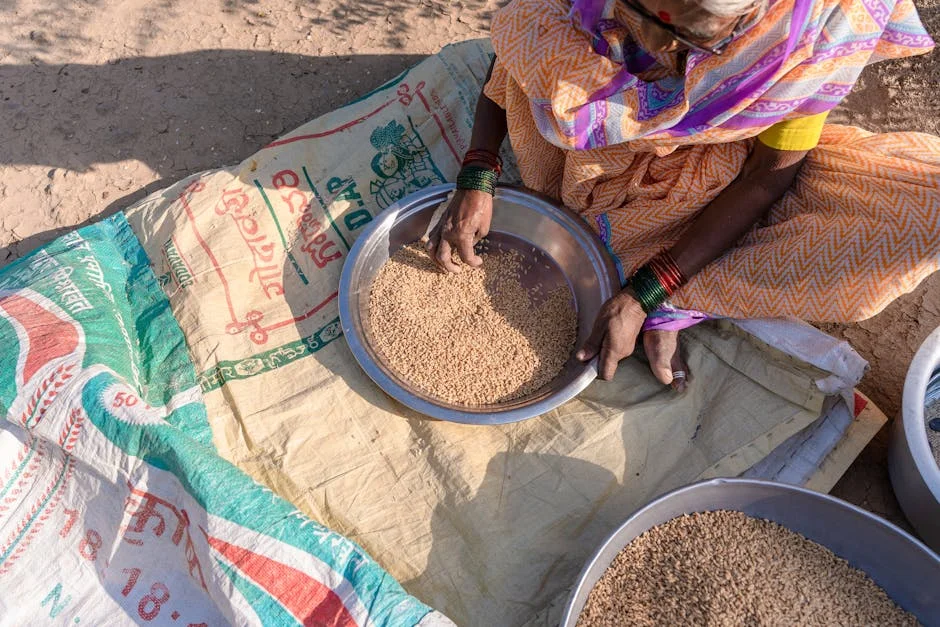
However, the sheer scale of India’s food ecosystem makes uniform enforcement a monumental challenge. The market includes over 3 million food business operators, ranging from multinational corporations to small-scale vendors selling on the side of the road. For the average consumer in cities like Mumbai or Kolkata, this means that safety standards can vary drastically depending on where and what they buy.
The disconnect is most visible in the daily lives of families. A mother buying milk from a local vendor faces different risks than one purchasing branded dairy from a supermarket. While the latter benefits from stricter cold-chain logistics, the former relies on trust and intermittent inspections. This duality creates a two-tiered food safety system where wealth often dictates safety.
Adulteration: The Persistent Threat
Adulteration remains one of the most pervasive issues in the Indian food supply chain. Common staples such as turmeric, chili powder, and even milk are frequently mixed with cheaper, and sometimes toxic, fillers to stretch profits. Reports from various districts in Punjab and Haryana have highlighted the use of metanil yellow in turmeric, a dye that can cause long-term respiratory issues if consumed regularly.
The economic incentive for adulteration is strong, particularly when raw material prices fluctuate. When farmers receive lower prices, middlemen and processors often cut corners to maintain margins. This practice not only affects the taste and nutritional value of food but also introduces chemical hazards that the human body is not always equipped to handle.
For consumers, the cost is both financial and physical. Families spend more on healthcare to treat ailments that could have been prevented by cleaner food. In rural areas, where access to medical facilities is limited, a single bout of food poisoning can disrupt school attendance for children and workdays for parents, creating a ripple effect on local economies.
The Role of Local Markets
Local markets are the heartbeat of India’s food distribution, yet they are often the least regulated. In cities like Delhi, the Khari Baoli spice market is a prime example of a hub where quality varies daily. Inspectors may conduct surprise checks, but the volume of goods moving through these spaces makes constant surveillance difficult.
Vendors argue that the cost of compliance is high for small businesses. They point out that packaging, labeling, and laboratory testing expenses can be burdensome for a shopkeeper selling in small batches. This tension between regulatory rigor and economic survival creates friction that often results in half-measures rather than holistic solutions.
The FSSAI’s Enforcement Challenges
The FSSAI has launched several initiatives to improve transparency, including the introduction of unique QR codes on packaged foods. These codes allow consumers to scan and view details about the manufacturer, ingredients, and shelf life. While this is a step forward, its effectiveness depends on consumer awareness and the accuracy of the data entered by manufacturers.
Enforcement is heavily dependent on state-level food safety departments. The central authority sets the standards, but the states are responsible for hiring inspectors, collecting samples, and filing cases. This decentralization leads to inconsistencies. A food product might pass inspection in Maharashtra but fail in Tamil Nadu due to differences in laboratory equipment or inspector training.
Budget constraints further exacerbate the problem. Many state departments operate with stretched resources, leading to infrequent visits to food establishments. Small eateries and roadside stalls, which serve the largest portion of the working-class population, are often inspected only once or twice a year. This infrequency allows lapses in hygiene to persist for long periods.
Health Impacts on Communities
The health consequences of poor food safety are tangible and widespread. Gastrointestinal infections remain a leading cause of outpatient visits in India, with children and the elderly being the most vulnerable. In urban slums, where sanitation and food storage conditions are challenging, outbreaks of foodborne illnesses can spread rapidly, overwhelming local clinics.
Beyond acute illnesses, chronic exposure to low levels of contaminants can lead to long-term health issues. For instance, excessive pesticide residues in vegetables and fruits, a common problem in agricultural belts like the North-Western region, have been linked to rising rates of diabetes and kidney diseases. These conditions place a significant strain on the public healthcare system.
Communities respond to these challenges in various ways. In some neighborhoods, residents form consumer groups to collectively test food samples or negotiate directly with vendors. In others, there is a growing trend of returning to traditional, locally sourced foods, perceived to be less processed and therefore safer. These grassroots efforts highlight a desire for control over food quality that the formal system has yet to fully satisfy.
Economic Consequences for Households
Food safety issues have direct economic implications for Indian households. When family members fall ill due to contaminated food, income is lost due to absenteeism from work. For daily wage earners, a single day off can mean a substantial portion of their weekly earnings. This financial instability is particularly acute in service sectors where presence is key.
Additionally, the cost of safe food is rising. Consumers are increasingly willing to pay a premium for branded or organic products, which are perceived as safer. This shift creates a divide where the wealthy can afford better safety nets, while the middle and lower classes continue to rely on the general market. The price differential for safe food can be as high as 30% for certain staples, adding pressure on household budgets.
The economic impact extends to local businesses as well. Restaurants and hotels that suffer from food safety scandals face immediate reputational damage. In cities like Bangalore, where the food industry is a major employer, a single outbreak linked to a popular chain can lead to reduced footfall and job insecurity for hundreds of staff members. Trust, once lost, is hard to regain.
Technological Interventions and Hope
Technology offers promising solutions to some of these longstanding problems. Blockchain technology is being piloted in several states to track the journey of food items from farm to fork. This digital ledger can provide immutable records of handling, storage temperatures, and testing results, reducing the room for human error and manipulation.
Mobile applications are also empowering consumers. Apps that aggregate hygiene ratings for local eateries allow users to make informed choices. In cities like Hyderabad, these platforms have spurred competition among restaurants to improve their cleanliness scores to attract more customers. This market-driven approach complements regulatory efforts by adding a layer of social accountability.
However, technology alone is not a panacea. It requires infrastructure, digital literacy, and consistent data entry to be effective. In rural areas, where internet connectivity can be spotty, the adoption of digital tools is slower. Bridging this digital divide is essential for ensuring that technological benefits reach all segments of the population, not just the urban elite.
What Lies Ahead for Food Safety
The path to safer food in India requires coordinated action from all stakeholders. The government must increase funding for state-level food departments to enhance inspection frequency and laboratory capacity. Simultaneously, manufacturers need to invest in better quality control measures to reduce the burden on regulators.
Consumers also play a crucial role. Greater awareness about labels, expiration dates, and hygiene practices can drive demand for higher standards. Community engagement, through local consumer forums and school education programs, can create a culture of accountability that pressures businesses to maintain quality.
Looking forward, the next critical milestone will be the implementation of the updated FSSAI guidelines on packaged foods, scheduled for rollout in the coming fiscal year. These guidelines aim to tighten norms on additives and packaging materials. Citizens should watch for these changes in their local markets and advocate for their enforcement. The safety of India’s food supply depends not just on laws, but on the vigilant action of every participant in the chain.
See Also
- Ayra Starr Reveals Growth in Music with 'Trying Different Things'
- USA Crushes Scotland in ODI Thriller
These conditions place a significant strain on the public healthcare system. In others, there is a growing trend of returning to traditional, locally sourced foods, perceived to be less processed and therefore safer.