Indian exporters are closely monitoring a United States Trade Representative investigation that could reshape bilateral commerce worth billions of dollars. The probe, which examines trade practices and potential market barriers, comes as both nations prepare for high-level discussions that could determine the future of their commercial relationship.
In New Delhi, trade analysts say the timing of the USTR investigation has created significant uncertainty for manufacturers and agricultural producers across several Indian states. Companies that rely on American customers are now recalibrating their strategies as they await clarity on potential tariff implications.
What the USTR Investigation Covers
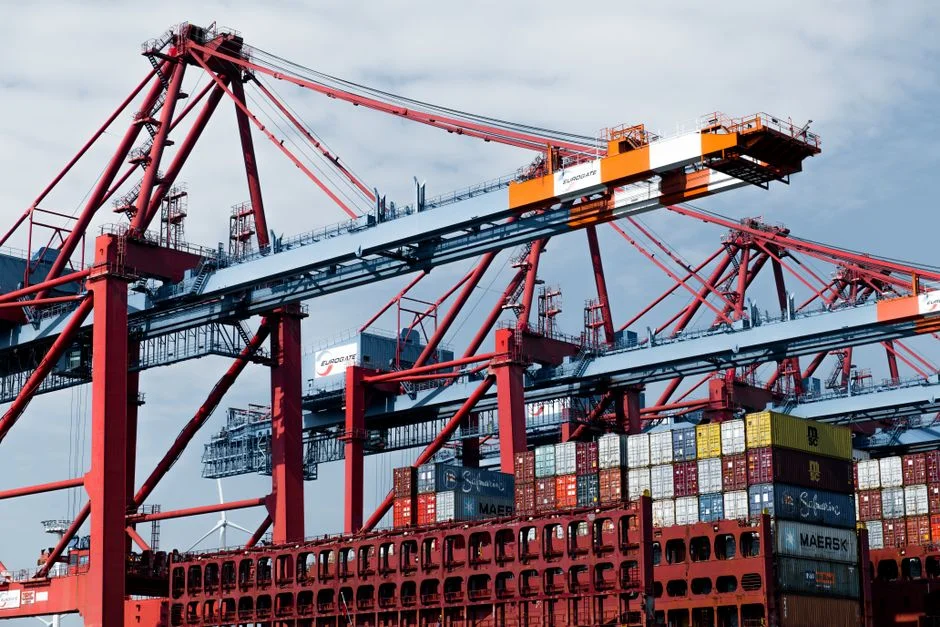
The USTR probe focuses on a range of trade practices that American officials claim disadvantage US companies operating in Indian markets. Authorities in Washington have identified specific sectors where they say reciprocal market access remains limited. The investigation carries implications for Indian businesses that have built supply chains serving American consumers.
Industry groups in Mumbai and Chennai have established working groups to track developments and assess potential impacts on their members. These groups are compiling data on export volumes and market dependencies that could face disruption if the investigation leads to policy changes.
Exporters' Concerns Mount
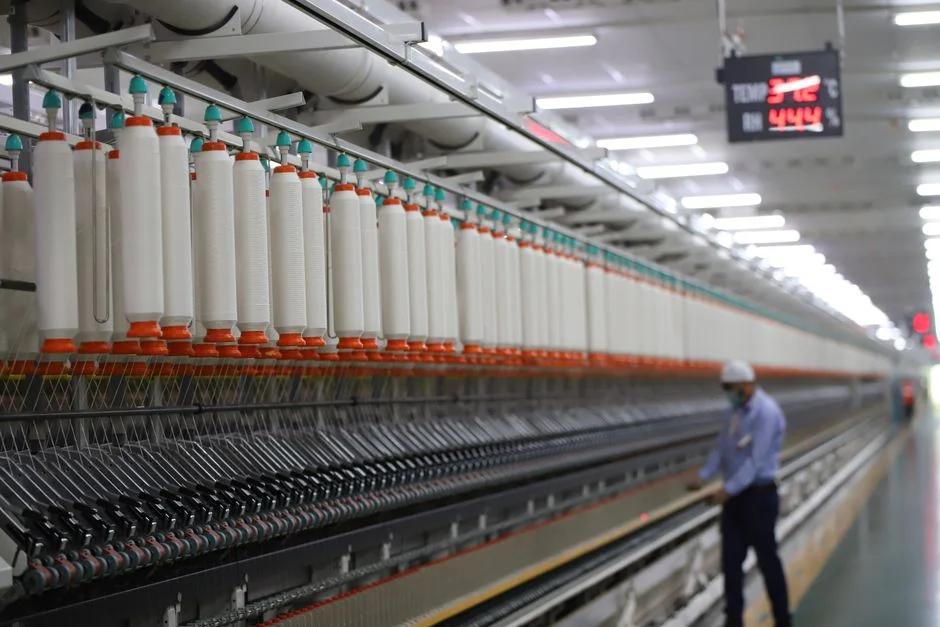
Manufacturers producing everything from textiles to pharmaceutical ingredients are watching the situation carefully. Executives at several mid-sized companies told local media they have already begun diversifying customer bases as a precautionary measure.
The Federation of Indian Export Organisations has urged the government to engage directly with American counterparts before any formal recommendations emerge. The group represents thousands of businesses employing hundreds of thousands of workers across Tamil Nadu, Gujarat, and Maharashtra.
Simultaneous Trade Talks Add Complexity
Complicating matters, officials from both countries are scheduled to hold separate trade talks that could address some of the concerns underlying the USTR investigation. These discussions aim to find common ground on market access issues that have accumulated over several years of trade friction.
Negotiators face a tight timeline to show progress before the investigation concludes its fact-finding phase. Trade ministry officials in New Delhi have maintained that India remains committed to fair and transparent commercial practices.
Regional Economic Stakes
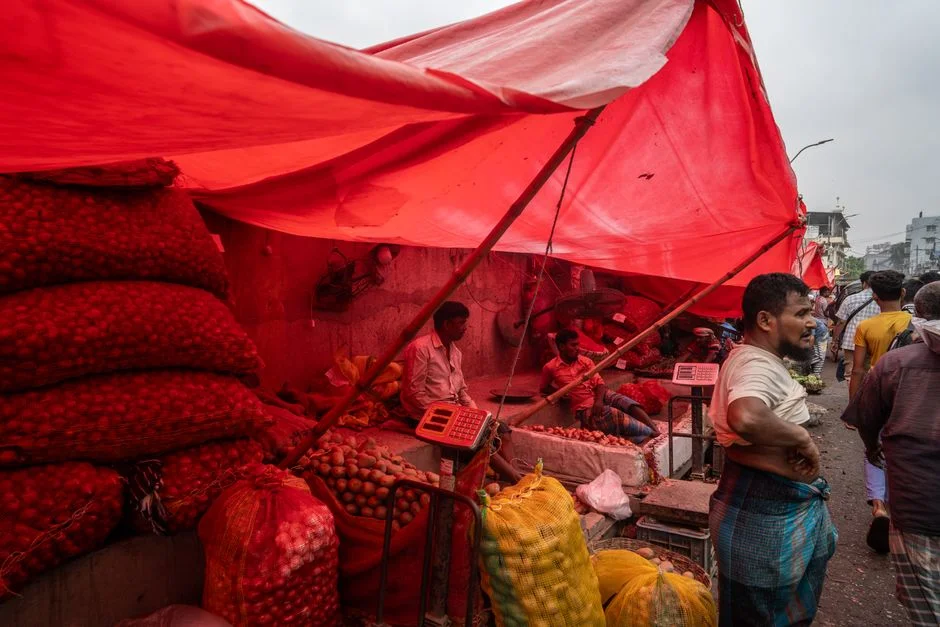
The potential fallout extends well beyond corporate boardrooms into communities where export industries form the backbone of local economies. Punjab's agricultural processing sector and Karnataka's information technology services both count American clients among their most important customers.
Small towns in Andhra Pradesh and Telangana have seen new factory construction tied directly to export contracts with American buyers. Workers at these facilities say they understand the stakes involved in the current dispute.
Impact on Employment and Wages
Labour unions representing workers in export-oriented industries have expressed concern about job security. If tariffs or trade restrictions increase, companies may need to adjust production volumes or shift manufacturing to other countries with more favorable trade terms.
Economic researchers at a leading Mumbai think tank estimate that several hundred thousand direct jobs could be affected if trade tensions escalate significantly. The institute has published analysis suggesting that wage growth in affected sectors could slow considerably.
Government Response Strategy
Indian trade officials have signalled they will present their own assessment of market conditions during upcoming engagements with American counterparts. The commerce ministry has assembled a team of trade lawyers and economists to prepare the country's defence.
New Delhi has also indicated it may file counter-observations if the investigation proceeds to a formal review stage. Officials emphasize that any potential remedies would need to follow established World Trade Organization procedures.
What Happens Next
The USTR investigation is expected to complete its information-gathering phase within the next several weeks. After that, a public comment period will allow affected businesses and trade associations to submit formal responses before any recommendations reach the White House.
Indian exporters say they will continue monitoring developments closely. The next major milestone comes when officials announce dates for the bilateral trade talks that both sides have described as critical to resolving underlying disputes.
Companies currently in contract negotiations with American buyers say they are adding contingency clauses that account for potential tariff changes. Industry observers suggest this new approach reflects how deeply the uncertainty has permeated the export sector.
See Also
- CBSE Confirms Board Exams Tomorrow for Key Papers: What It Means for Students
- India's Rupee Slides 40 Paise to 95.76 Against Dollar on Oil, Tariff Fears