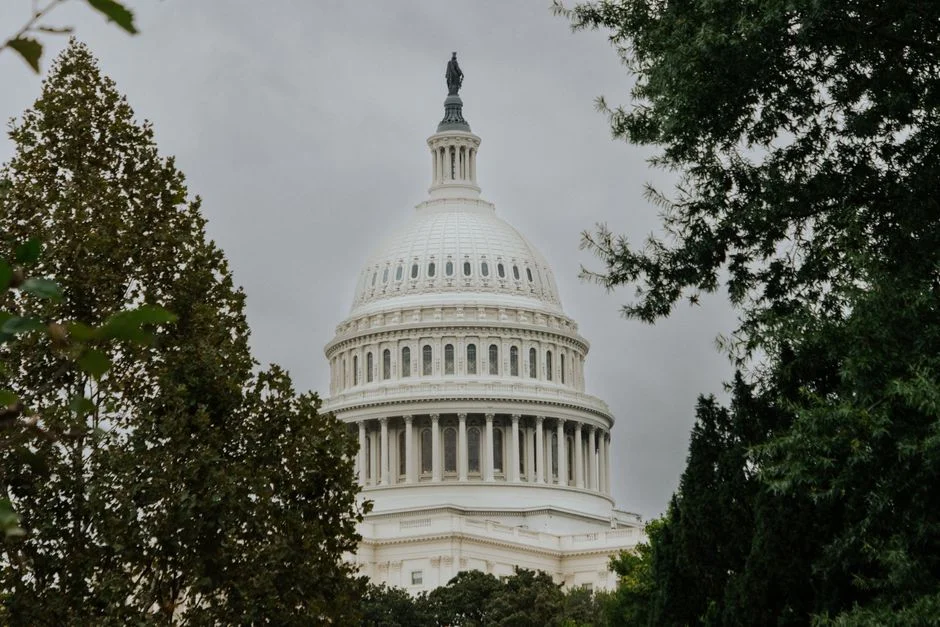
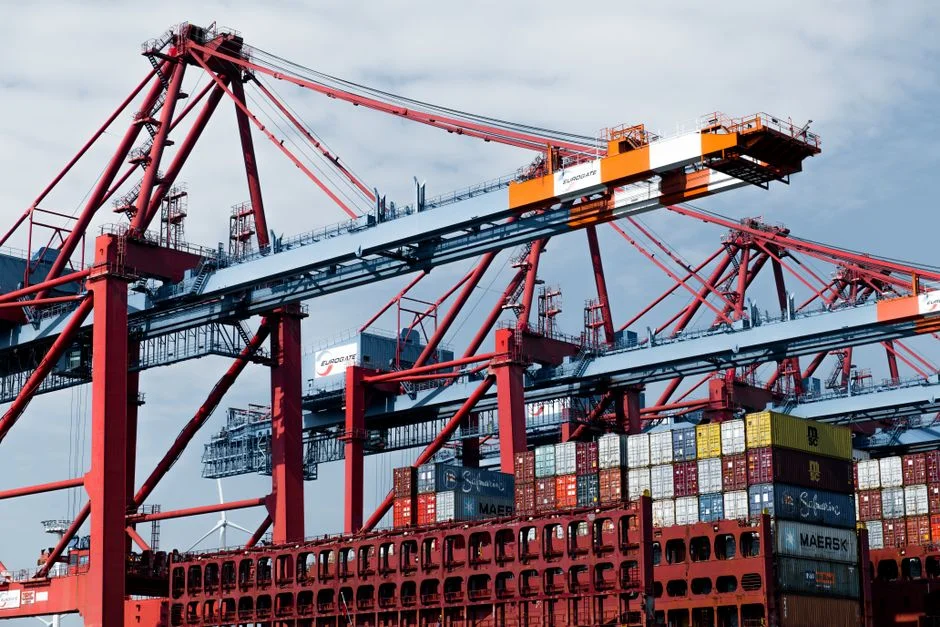
The United States Trade Representative has issued a fresh tariff threat against India, placing billions of dollars worth of Indian exports at risk as negotiations on a broader trade agreement continue to stall. The development threatens to disrupt supply chains, push consumer prices higher, and complicate efforts by New Delhi to attract foreign investment during a period of slowing economic growth.
Washington Fires Warning Shot at New Delhi
The USTR announced it was considering additional import duties on a range of Indian goods, citing persistent trade imbalances and alleged unfair trading practices. The move represents a significant escalation in ongoing tensions between the two countries, which have struggled to finalise a bilateral trade pact despite years of negotiations. Trade officials from both sides have held multiple rounds of talks, but sources familiar with the discussions say fundamental disagreements remain over market access, intellectual property rights, and tariff structures.
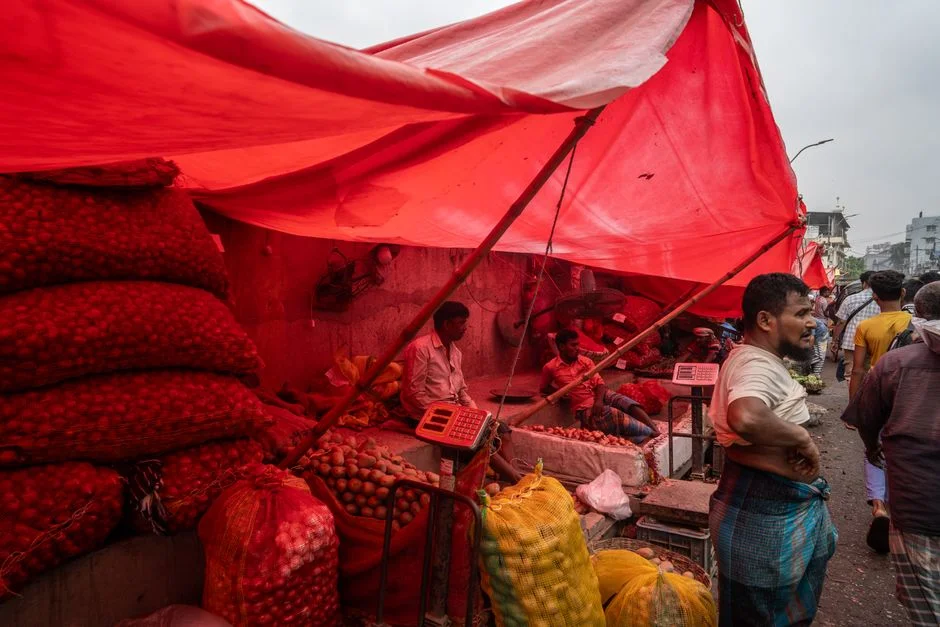
In Washington, senior officials defended the approach as necessary to protect American businesses and workers. The announcement came amid a broader effort by the US to recalibrate its trading relationships with major partners, using tariff pressure as a lever to extract concessions. For India, the timing could hardly be worse. The domestic economy faces headwinds from slowing global demand, and any disruption to export markets would add to pressures already facing manufacturers and farmers alike.
What Indian Exporters Now Face
Indian companies exporting to the United States could see their competitive position erode sharply if the proposed tariffs take effect. Sectors ranging from pharmaceuticals and textiles to steel and agricultural products stand to be affected. Analysts estimate that the total value of Indian goods potentially subject to new duties runs into several billion dollars annually. For factories in industrial hubs such as Mumbai, Chennai, and Ahmedabad, this translates into real consequences: tighter margins, potential layoffs, and difficult decisions about future production plans.
Small and medium enterprises, which form the backbone of India's manufacturing sector, face the sharpest impact. Unlike large corporations, these firms lack the resources to quickly diversify into new markets or absorb sudden cost increases. Trade associations in states like Gujarat and Tamil Nadu have already begun receiving inquiries from worried members seeking guidance on how to prepare for possible disruptions.
Impact on Specific Industries
The pharmaceutical industry, a major supplier of generic medicines to American consumers, faces particular scrutiny. India exports generic drugs worth hundreds of millions of dollars to the US market annually, and any tariff escalation would likely drive up costs for patients in both countries. The steel and aluminium sectors, which have faced previous rounds of American tariffs, remain vulnerable. Textile exporters, concentrated in states like Karnataka and West Bengal, warn that new duties could price their products out of the American market entirely.
Indian Consumers Will Feel the Ripple Effects
While tariffs are technically imposed on imports, economists warn that the burden often falls on consumers in the destination country. However, Indian businesses facing reduced demand from American buyers may be forced to cut production, with knock-on effects for workers and suppliers throughout domestic supply chains. Consumer goods that rely on imported components could also become more expensive as trade disruptions ripple through the economy.
For ordinary Indians, the dispute may seem distant until the price effects arrive. Imported electronics, certain food products, and manufactured goods could all face supply constraints or price increases depending on how the tariff situation develops. The rupee, which has already faced pressure from global economic uncertainty, could see further weakness if trade tensions escalate.
New Delhi Responds to American Pressure
The Indian government has condemned the tariff threat, with commerce ministry officials describing the move as counterproductive and inconsistent with World Trade Organization principles. New Delhi has signalled its willingness to continue negotiations but has also indicated it will not accept terms that compromise its development interests or regulatory autonomy. Trade minister officials have held emergency meetings with industry representatives to assess the potential impact and explore contingency measures.
Indian diplomatic channels have been activated, with envoys in Washington urged to press the case for a negotiated settlement. However, observers note that the current American administration has shown a willingness to use tariff threats aggressively, making concessions appear more attractive. The question for Indian policymakers is how to respond without appearing weak or provoking further escalation.
Trade Talks Hang in the Balance
The broader bilateral trade agreement, which both sides have described as a priority, now faces renewed uncertainty. Negotiations have dragged on for years, with periodic breakthroughs followed by setbacks. The tariff threat adds another layer of complexity, creating an atmosphere of distrust that makes compromise harder to achieve. American businesses invested in the Indian market are watching closely, aware that prolonged uncertainty could derail planned expansions and partnerships.
For Indian companies hoping to gain better access to American markets, the tariff threat represents a setback. Any leverage New Delhi might have had in negotiations has been diminished by the prospect of retaliatory measures. Industry groups that had lobbied for reduced barriers now face the prospect of the opposite.
Communities Brace for Potential Disruption
In port cities and export-processing zones across India, workers and managers are monitoring the situation with growing anxiety. Ports like Jawaharlal Nehru Port in Mumbai and Kattupalli near Chennai handle significant volumes of trade with the United States. Any sustained reduction in cargo volumes would affect dock workers, logistics companies, and the local businesses that serve them. The cascading effects on employment and incomes could test already-strained community resources.
Agricultural regions that export to the American market face similar anxieties. Farmers producing specialised crops for overseas buyers could find their markets suddenly curtailed. Rural economies already dealing with challenges around crop prices and weather-related uncertainties would bear additional burdens.
What Comes Next for Both Sides
The next few weeks will be critical. Trade officials are expected to meet again in an attempt to find common ground before any tariff measures are formally implemented. Indian business groups are urging their government to explore alternative markets in Southeast Asia, Europe, and Africa to reduce dependence on American demand. Meanwhile, American companies with interests in India are lobbying their own government to avoid measures that could damage commercial relationships built over decades.
Citizens in both countries should watch for announcements from the USTR regarding timelines for any tariff implementation. The formal comment period and review process provide opportunities for affected industries to make their case. For Indian exporters, the message from trade advisors is clear: begin contingency planning now, even if a negotiated settlement remains the preferred outcome. The uncertainty itself has become a cost that businesses can no longer afford to ignore.
See Also
- Despite Launches New Power Plan to Tackle Nigeria’s Energy Crisis
- Atlético Madrid Triumphs Over Getafe, Secures Third Place in La Liga
Trade minister officials have held emergency meetings with industry representatives to assess the potential impact and explore contingency measures. New Delhi has signalled its willingness to continue negotiations but has also indicated it will not accept terms that compromise its development interests or regulatory autonomy.