The Indian realty sector witnessed a steep decline in institutional inflows during the first quarter of 2023, with investments plummeting to $1.6 billion. This figure marks a 52% decrease compared to the previous quarter, raising concerns about the future of real estate development across the country.
Investment Decline and Its Regional Impact
Delhi, known as a major hub for real estate activities, has been significantly affected by this downturn. The reduced inflow could potentially slow down new projects and impact ongoing developments in the National Capital Region (NCR), thereby affecting local employment and housing availability.
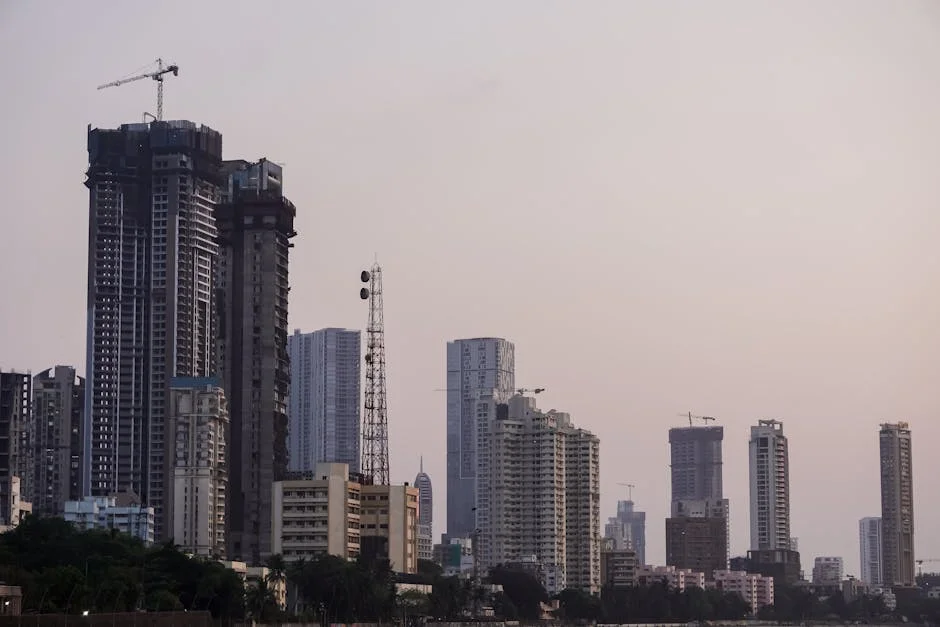
Several developers have already expressed their anxiety over the reduced funding, which may lead to delays in project completion and an increase in unsold inventory. This could further exacerbate the housing supply-demand imbalance, thereby influencing property prices in the region.
Factors Behind the Decline
According to the realty firm Anarock, the drop in institutional inflows could be attributed to a combination of rising interest rates, global economic uncertainties, and stricter regulations. These factors have made investors cautious about placing their funds in the real estate market.
Additionally, the pandemic's enduring impact on the economy has resulted in a more prudent approach to new investments, as stakeholders assess market stability and future prospects carefully before making commitments.
Community and Economic Consequences
For the local communities, the slowdown in the real estate sector translates to slower job creation and economic growth. Construction and real estate are major employment generators in India, and a downturn can have ripple effects on ancillary industries such as cement, steel, and labour markets.
Residents looking to invest in property might encounter limited options and potentially higher prices due to constrained supply. This situation demands adaptive strategies from both developers and policymakers to mitigate the impact on the local economy.
Strategies for Recovery
Government and Industry Response
The government, alongside industry bodies, must consider policy interventions to rejuvenate investor confidence and stimulate the sector. Possible measures include offering incentives for green and affordable housing projects, which could attract both domestic and foreign investment.
Furthermore, industry leaders are advocating for reduced regulatory hurdles and streamlined approval processes to facilitate quicker project execution and attract more institutional inflows.
Looking Ahead: What to Watch
As the real estate sector navigates these challenges, stakeholders will be closely watching the government's upcoming budget announcements and any potential policy shifts that could influence the market dynamics. Additionally, the performance of the global economy and interest rate trends will play critical roles in determining future investment flows into the sector.