India has issued a stern warning to France, threatening to withdraw from the $43 billion Rafale fighter jet purchase if access to the source code is not granted. This development highlights a growing rift over critical software controls, which India sees as vital for national security. The confrontation centres around the Interface Control Document that India seeks to manage its Rafale fleet.
Implications for National Defence
The Rafale deal, signed in 2016, was hailed as a major boost for India's air force capabilities. However, without access to the aircraft's source code, India's ability to independently upgrade and control the software is severely limited. This has raised concerns over national security and operational autonomy.
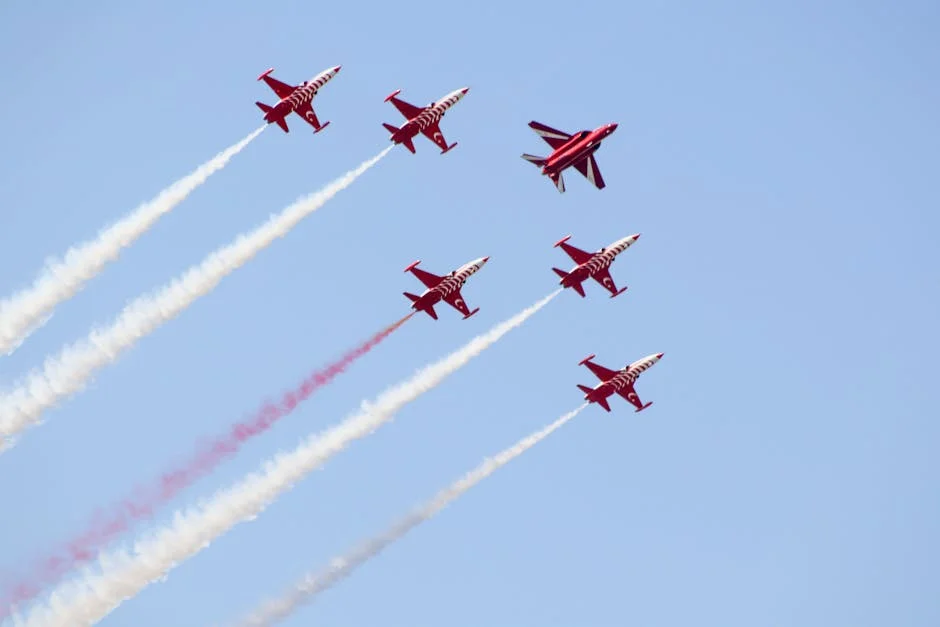
According to the Indian Ministry of Defence, control over software is a non-negotiable aspect of military preparedness. An official stated, "Without the source code, we are merely operators, not masters of our own equipment." The demand for software control is a strategic move to ensure that India can modify and upgrade its fleet without external dependency.
Economic and Regional Impact
The Rafale purchase, involving the acquisition of 36 fighter jets, has significant economic implications. It is not just a defence deal but also a catalyst for domestic manufacturing and technology transfer in India. The local industry, including companies like Hindustan Aeronautics Limited, stands to benefit from associated contracts.
However, if India exits the deal, there could be a substantial setback for the planned Make in India initiative in the defence sector. The ripple effects may extend to employment opportunities in the aerospace industry and regional economic development.
Community Reactions and Concerns
The potential collapse of the deal has stirred public debate across India. Citizens express mixed emotions, balancing national security concerns with aspirations for economic growth. In areas like Bengaluru, where tech and defence sectors are interlinked, residents worry about the potential loss of jobs and investment.
Local defence analysts, such as Bharat Karnad, highlight that India's insistence on software control is justified. Karnad argues that "sovereign control over military equipment is crucial for a nation of India's stature." This sentiment resonates with many who see this as a matter of national pride and strategic independence.
Next Steps and What to Watch
As tensions simmer, India has set a deadline for France to respond to its demands. The coming weeks will be critical as diplomatic dialogues continue. Observers should watch for any shifts in negotiation strategies and potential alternative suppliers India might consider.
The outcome of this dispute could redefine Indo-French defence relations and set a precedent for future international defence deals. Stakeholders are keenly observing whether India will indeed walk away or if a compromise will be reached.