Brussels has unveiled a comprehensive plan to enhance the security and resilience of Europe's energy system. Announced on Tuesday, the initiative aims to address vulnerabilities exposed by recent geopolitical tensions and ensure a stable energy supply across the continent. This move comes as energy prices continue to fluctuate, affecting millions of European citizens.
What the Plan Entails
The new energy strategy focuses on diversifying energy sources and increasing investments in renewable energy. The European Commission, led by Ursula von der Leyen, announced that the plan would involve a €200 billion investment over the next decade. This substantial financial commitment underscores the urgency of transitioning to a more resilient energy framework.
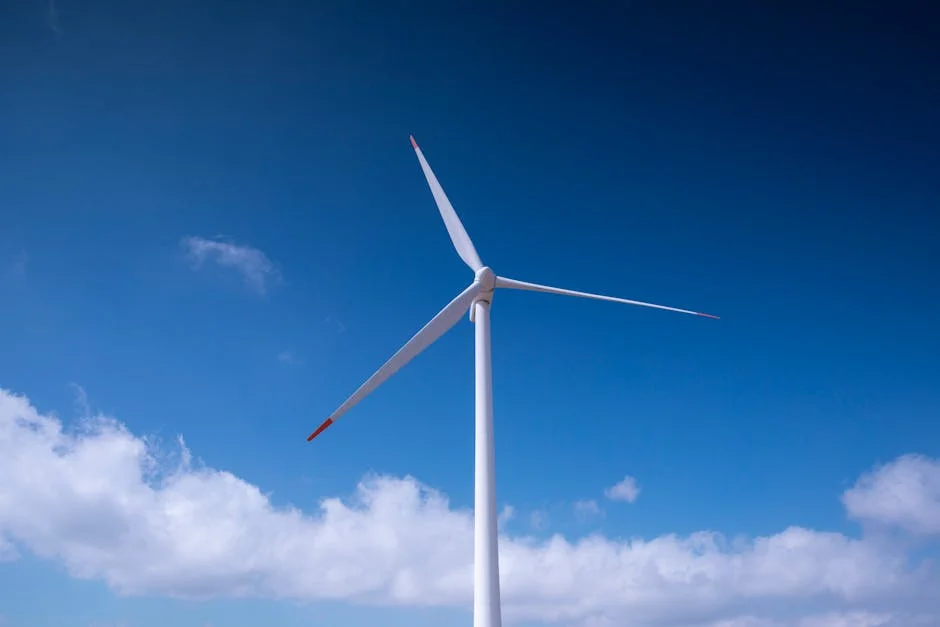
Alongside investment in renewable energy, Brussels aims to bolster energy storage capabilities and enhance cross-border energy cooperation among European Union member states. These measures are expected to mitigate supply disruptions and stabilise energy prices.
Impact on European Citizens
For citizens across Europe, this strategy promises more stable energy prices and reduced dependency on external energy sources. The plan is particularly pertinent for countries like Germany and France, which have faced energy shortages and price hikes due to recent geopolitical developments.
The investment in renewable energy is also expected to create job opportunities within the sector, contributing to economic growth in various regions. Local communities may benefit from new infrastructure projects, such as wind farms and solar energy installations, which are part of the broader strategy.
Challenges and Criticisms
Concerns from Member States
Despite the ambitious nature of the plan, some member states have raised concerns about its feasibility. Countries heavily reliant on fossil fuels, such as Poland, have expressed apprehensions about the economic impact of transitioning to a greener energy framework.
Environmental and Financial Implications
Environmental organisations have largely welcomed the initiative but caution that the plan must be implemented swiftly to meet climate goals. Financial experts warn that while the €200 billion investment is substantial, securing funding and ensuring efficient allocation will be critical to the plan's success.
Looking Ahead
As Brussels continues to refine and implement its energy security strategy, citizens and stakeholders will watch closely to see how the plan evolves. Upcoming discussions among EU leaders will focus on the specifics of funding allocation and timelines for project completion. The first phase of the plan is expected to commence in early 2024, setting the stage for significant changes in the European energy landscape.