Punjab state government has announced a 12-hour power cut across major cities including Chandigarh, Ludhiana, and Amritsar, starting at 8 AM today. The move, attributed to a surge in electricity demand and maintenance work at the state’s power plants, has left residents and businesses scrambling to adjust. The cut will affect over 10 million people, with the electricity supply expected to resume by 8 PM.
Impact on Daily Life and Local Economy
The sudden power outage has disrupted daily routines for thousands of households. In Chandigarh, schools and offices have been forced to close early, while small businesses in the city’s central market have reported losses due to the lack of refrigeration and lighting. "We rely on electricity for our daily operations, and this cut has made it impossible to run our shop," said Ravi Kumar, a shop owner in Sector 17.
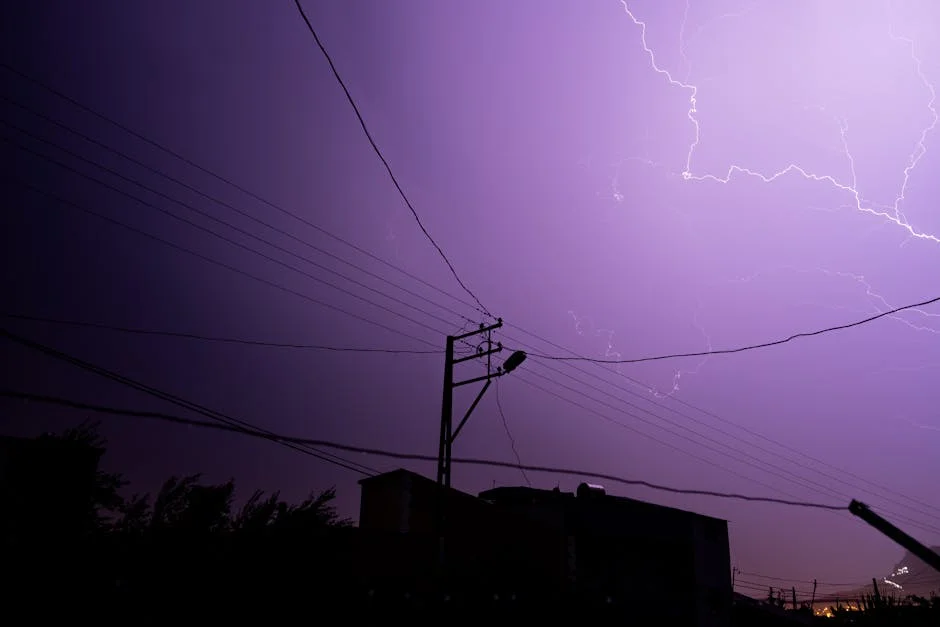
Local hospitals and emergency services have been on high alert, with the state government issuing advisories to ensure backup power systems are operational. The Punjab State Power Corporation Limited (PSPCL) has confirmed that emergency generators will be deployed in critical facilities. However, residents in rural areas, where access to backup power is limited, have expressed concern over the disruption.
The economic fallout is already being felt. In Ludhiana, a major textile hub, factory owners have reported delays in production. "We have to halt work for 12 hours, which affects our output and customer delivery schedules," said Manoj Sharma, a textile manufacturer. The power cuts are expected to hit the state’s manufacturing sector hard, especially as the festive season approaches.
Community Response and Public Outcry
Residents in Amritsar have taken to social media to voice their frustration, with hashtags like #PunjabPowerCrisis trending on Twitter. Many have criticized the government for not providing sufficient notice or alternative solutions. "We were not informed of this cut in advance, and there is no plan to mitigate the impact on daily life," said Anjali Kaur, a resident of the city’s Golden Temple area.
Local NGOs and community leaders have started mobilizing, distributing water and emergency supplies to affected areas. The Punjab Civil Society Forum has called for a review of the power distribution strategy, arguing that such cuts are increasingly frequent and poorly managed. "This is not just an inconvenience — it is a serious challenge for the people who depend on reliable power for their livelihoods," said Dr. Rajesh Gupta, a community activist.
Historical Context and Systemic Challenges
Punjab has long faced power shortages due to a combination of aging infrastructure, rising demand, and insufficient investment in renewable energy. A 2022 report by the Punjab Energy Department highlighted that the state’s power grid is operating at 85% capacity, with frequent breakdowns. The current cut is part of a broader strategy to reduce peak load, but critics argue that the planning lacks transparency and public consultation.
The state government has blamed the power crisis on a surge in air conditioning usage during the summer months. However, experts point to a lack of long-term energy planning. "The state needs to invest in solar and wind energy to meet its growing demands," said Dr. Anjali Verma, an energy analyst at the Indian Institute of Technology, Delhi. "Relying on short-term measures like power cuts is not a sustainable solution."
What Comes Next?
The Punjab government has announced that the power cuts will continue for the next three days, with a review scheduled for Sunday. Residents are being advised to stock up on essential supplies and use alternative power sources where possible. The state’s energy minister, Harpal Singh Chahal, has promised to address the issue in an upcoming meeting with energy officials.
For now, the focus remains on managing the immediate impact. As the summer season intensifies, the frequency of such cuts is expected to rise, raising concerns about the long-term stability of the power supply. Citizens are being urged to stay informed through official channels and to report any issues with power distribution.
With the next round of power cuts scheduled for tomorrow, the situation in Punjab is one to watch. The state’s ability to manage its energy demands will be a key test of its governance and infrastructure resilience in the coming weeks.
See Also
- M1 Traffic Surges — and Commuters in India Are Struggling
- India Launches Digital Security Initiative — Citizens Warned of Rising Cyber Threats
A 2022 report by the Punjab Energy Department highlighted that the state’s power grid is operating at 85% capacity, with frequent breakdowns. The current cut is part of a broader strategy to reduce peak load, but critics argue that the planning lacks transparency and public consultation.