Karnataka farmers are facing a deepening crisis as onion prices have plummeted by 40% in just two months, leaving many struggling to cover production costs. The sharp decline has hit rural communities hard, with farmers in the state’s central region reporting losses that could force some out of business. The government has yet to announce a clear response, leaving farmers in limbo.
Market Collapse Hits Rural Livelihoods
The price of onions, a staple in Indian households, has dropped from ₹35 per kg in May to ₹21 per kg in July, according to the State Agricultural Marketing Board. This fall has been attributed to an oversupply following a bumper harvest in the previous season, combined with a slowdown in demand due to economic uncertainty. In the village of Koppal, farmer Ramesh Patil said he has lost ₹2 lakh this season, a sum that could have supported his family for months.
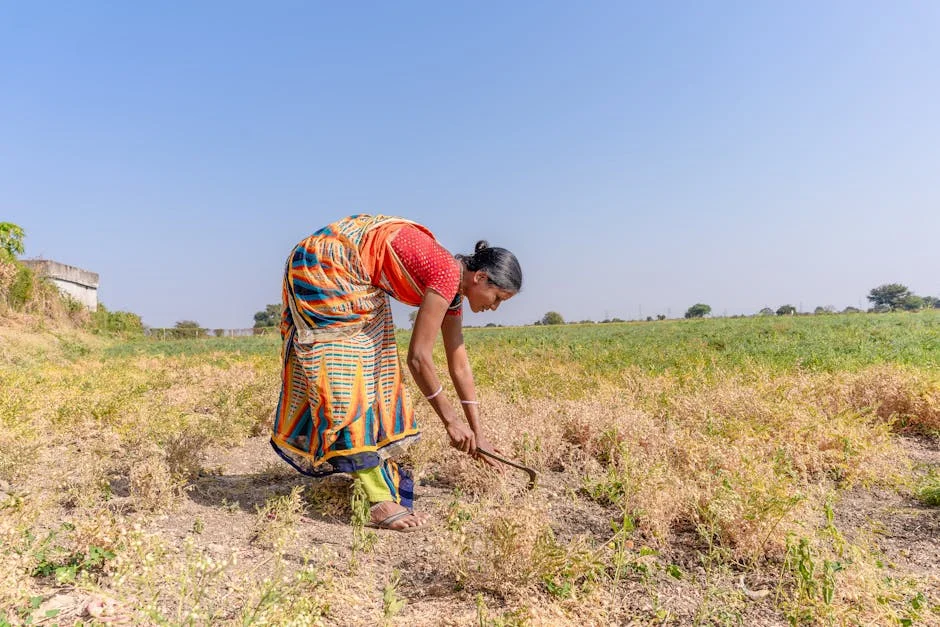
"We worked hard to grow this crop, but now there’s no one to buy it at a fair price," Patil said. "What will we do next?" The price crash has also affected traders, who are now reluctant to stock up, fearing further declines. In Bengaluru’s wholesale market, traders report that the volume of onions being sold has dropped by 30% compared to last year.
Impact on Daily Life and Local Economy
The price drop has had a ripple effect on the local economy, with many small-scale traders and transporters reporting a sharp decline in business. In Hubli, a major trade hub, shopkeepers say they are struggling to maintain their margins. "We used to buy onions in bulk, but now we’re buying just enough to meet daily demand," said shop owner Meera Desai. "This is not sustainable."
Consumers, however, have benefited from lower prices. In urban areas like Mysuru, families are buying more onions than before, but the relief is not enough to offset the suffering of farmers. The local government has not yet announced any subsidies or support programs, leaving farmers to fend for themselves.
Government Response and Farmer Protests
Despite the crisis, the state government has been slow to act. The Department of Agriculture has not issued any official statement on the matter, and no immediate relief measures have been announced. Farmers in the region have begun to protest, demanding price support and better market access. In a recent demonstration in Belgaum, hundreds of farmers gathered to voice their concerns, calling for urgent intervention.
“We need the government to step in and buy our produce at a reasonable price,” said activist Gopal Reddy, who has been leading the protests. “Otherwise, many of us will be forced to abandon farming altogether.” The protests have drawn attention from national media, but no concrete action has been taken so far.
Historical Context and Future Outlook
Onion price fluctuations are not uncommon in India, where supply and demand are often disrupted by weather, policy, and market speculation. In 2019, a similar price crash led to widespread protests in several states. This year’s situation, however, is particularly concerning due to the overlapping challenges of inflation and a weak rural economy.
Experts warn that without government intervention, the crisis could worsen. "The state needs to act quickly to stabilize prices and protect farmers," said Dr. Anjali Mehta, an agricultural economist at the Indian Institute of Management. "This is not just a farmers’ issue—it affects the entire supply chain."
What Comes Next?
With the next harvest season approaching, the situation remains uncertain. Farmers are now preparing for the new crop, but many are hesitant to invest due to the current market conditions. The state government has been urged to introduce price support mechanisms or purchase onions at a minimum rate to prevent further losses.
As the monsoon season approaches, the focus will shift to the next planting cycle. Farmers, traders, and policymakers will be watching closely for any signs of relief. For now, the crisis continues to unfold, with no clear resolution in sight.
See Also
- Benfica Star Dedic Trains in Bosnia Ahead of Wales Move
- Amaro Confirms Nationality Law Will Pass — What It Means for Citizens
In a recent demonstration in Belgaum, hundreds of farmers gathered to voice their concerns, calling for urgent intervention. This year’s situation, however, is particularly concerning due to the overlapping challenges of inflation and a weak rural economy.