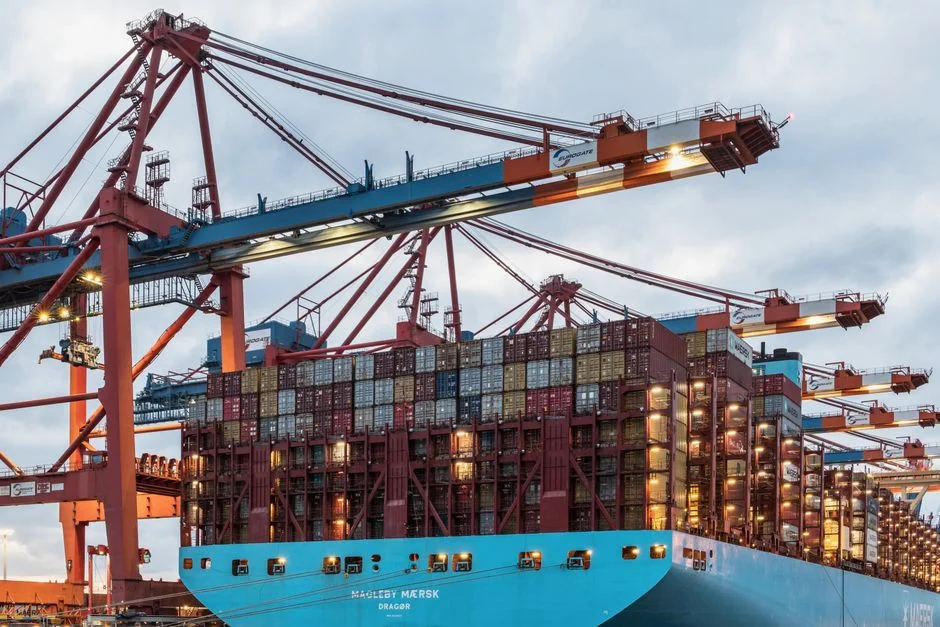
On 22nd April 2026, the Indian government, through the Ministry of Commerce, announced an immediate ban on the import of certain consumer goods, including electronics, textiles, and household appliances. The move, led by Commerce Minister Piyush Goyal, aims to boost domestic manufacturing and reduce trade deficits. However, the decision has already begun to ripple through local markets, affecting daily life for millions in cities like Mumbai and Delhi. The ban has triggered immediate price hikes, with some goods seeing a 15–20% increase in the first week.
Immediate Economic Fallout
The ban has hit retailers and consumers hard, particularly in urban centres where imported goods are a staple of daily life. In Mumbai, the Central Market has reported a 30% drop in footfall, with many shops struggling to meet demand. "We’re seeing a lot of customers walk away because the prices are too high," said Ravi Mehta, a shop owner in Dadar. "We can’t afford to keep stock at these new prices." The impact is most visible in Delhi’s Karol Bagh market, where a 20% price hike on imported smartphones has led to long queues and customer dissatisfaction.
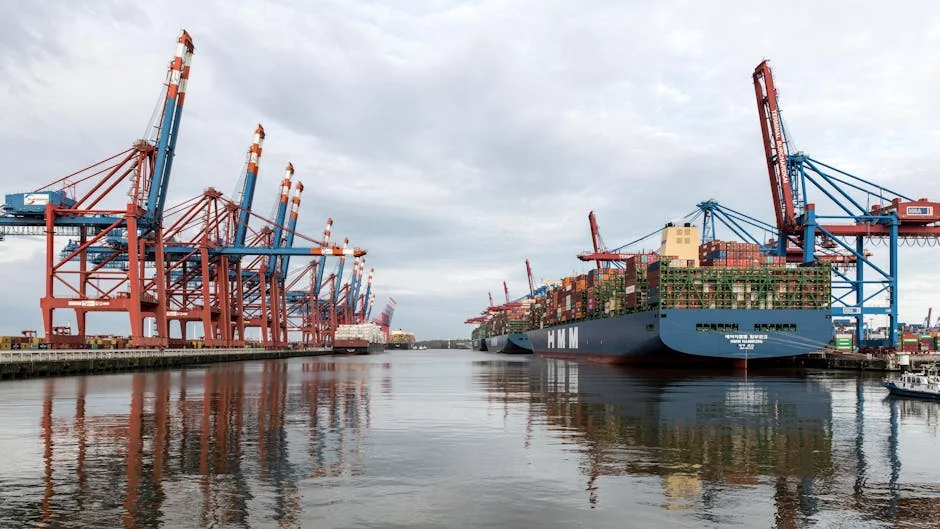
The Ministry of Commerce stated that the ban would “encourage local industries and reduce dependency on foreign suppliers.” But critics argue that the move will disproportionately affect lower-income households, who rely on affordable imports. “This is a regressive policy,” said Dr. Anjali Sharma, an economist at the Indian Institute of Management. “It’s not just about trade deficits—it’s about the cost of living for ordinary people.”
Local Industry Response
While the government claims the ban will boost domestic production, the response from local manufacturers has been mixed. Some firms, like Mumbai-based electronics firm TechNova, have announced plans to scale up production to meet demand. “We’re hiring 200 more workers and expanding our factory by 50%,” said CEO Arjun Kapoor. However, many smaller manufacturers lack the resources to make the switch. “We’re not equipped to handle this volume,” said Priya Desai, a textile producer in Ahmedabad. “It’s a big risk.”
The Central Board of Indirect Taxes and Customs (CBIC) has also announced a review of import licenses, which has added to the uncertainty. Businesses are now waiting for clarity on which products are affected and how long the ban will last. “We’re in limbo,” said Rajesh Patel, a Delhi-based importer of home appliances. “We don’t know if we’ll be allowed to operate next week.”
Consumer Reactions and Community Impact
Residents in both Mumbai and Delhi have voiced frustration over the sudden price hikes. In Mumbai’s Chembur locality, a community meeting was held to discuss the impact of the ban on daily expenses. “We’re already struggling with inflation,” said Suman Desai, a mother of two. “Now we can’t even buy basic electronics without spending more.” Similar concerns have been raised in Delhi’s Lajpat Nagar, where local leaders have called for a review of the policy.
Non-profits and consumer groups are also stepping in to offer relief. The Delhi-based NGO Sustain India has started a campaign to help low-income families access affordable alternatives. “We’re working with local suppliers to offer lower-cost options,” said Nisha Verma, a spokesperson for the group. “But this is a temporary fix.”
What’s Next for Importers and Consumers?
The government has promised to release an updated list of restricted items by 5 May 2026. However, the uncertainty has already led to a slowdown in trade. Importers are delaying shipments, and many businesses are preparing for a potential supply shortage. “We’re not sure what to expect,” said Alok Gupta, a trader in Kolkata. “This is a major disruption.”
For now, the focus remains on the immediate impact on daily life. With the ban in place, consumers in major cities are being forced to adjust to higher prices, while local businesses grapple with the challenges of a rapidly shifting market. As the situation unfolds, the true extent of the policy’s impact on communities across India will become clearer in the coming weeks.
What to watch: The next major development will be the government’s announcement on 5 May, which could either ease or worsen the current crisis. Analysts are also monitoring how international trade partners respond, as this could influence future policy decisions.
See Also
- Analysts Warn of Rising Fuel Costs as IN Households Feel the Heat
- Kosovo's Europeo Bid Sparks Regional Tensions — Diplomacy Under Pressure
“This is a major disruption.” For now, the focus remains on the immediate impact on daily life. “We’re in limbo,” said Rajesh Patel, a Delhi-based importer of home appliances.
What is the latest news about click halts imports prices surge in mumbai and delhi?
Why does this matter for business-economy?
What are the key facts about click halts imports prices surge in mumbai and delhi?