Bengaluru, the capital of Karnataka, experienced its hottest April in over a decade, with temperatures soaring to 38.5°C on April 25, according to the India Meteorological Department (IMD). The heatwave has triggered health advisories from the state government, with local hospitals reporting a surge in cases of heatstroke and dehydration. Citizens across the city have been urged to stay indoors during peak hours and maintain hydration, highlighting the immediate impact on daily life.
Health Crisis Hits Vulnerable Communities
The extreme heat has disproportionately affected low-income communities, where access to air conditioning and clean drinking water is limited. In areas like Malleshwaram and BTM Layout, local NGOs have stepped in to distribute water and set up cooling centers. "We’ve seen a sharp increase in people coming in with symptoms of heat exhaustion," said Dr. Anjali Rao, a physician at a government hospital in the city. "Many are unaware of the dangers of prolonged exposure to the sun."
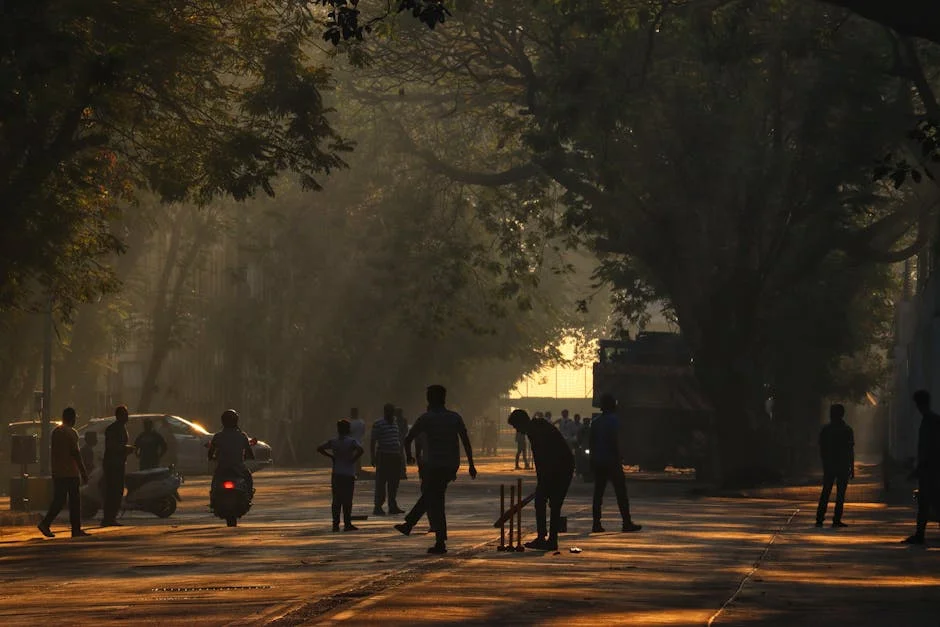
Public transport has also been affected, with bus services facing delays due to overheating infrastructure. The Bangalore Metro, which operates 24/7, has increased its cooling measures, but commuters still report discomfort. "It’s unbearable during the day," said Ravi Kumar, a daily wage worker. "We have no choice but to go out, but we’re not getting enough support."
Impact on Daily Life and Local Economy
Businesses, especially those in the service sector, have seen a decline in footfall. Street vendors and small shopkeepers in areas like Commercial Street and Chickpet have reported lower sales. "People are staying indoors, and our earnings have dropped by 40%," said Suresh Kumar, a tea stall owner in Chickpet. The agricultural sector is also under pressure, with farmers in surrounding districts like Tumakuru and Kolar struggling to manage crops under the intense heat.
The state government has announced a special relief package, including free water distribution and extended hours for public water supply. However, critics argue that more needs to be done to address the long-term effects of climate change. "This isn’t just a one-time event," said environmental activist Meera Patel. "We need sustainable solutions to protect our communities."
Community Response and Adaptation
Local communities have mobilized to support one another. In neighborhoods like Whitefield and Electronic City, residents have organized water distribution drives and shared cooling tips on social media. "We’re trying to look out for each other," said Priya Desai, a volunteer with a local community group. "It’s a small way to make a difference."
Public awareness campaigns have also gained traction. The Karnataka State Pollution Control Board has launched a mobile app to provide real-time heat alerts and health tips. "We’re reaching out to people through multiple channels to ensure they stay safe," said a spokesperson for the board.
Long-Term Implications and Climate Concerns
The heatwave has intensified concerns about climate change and its impact on urban centers. A recent study by the Indian Institute of Science found that Bengaluru has warmed by 1.5°C over the past 50 years, with heatwaves becoming more frequent and intense. "This is a warning sign," said Dr. Ravi Shankar, a climate scientist. "If we don’t take action, these events will become the new normal."
City planners are now under pressure to revise urban development policies. Experts are calling for more green spaces, better building regulations, and improved public infrastructure to mitigate the effects of rising temperatures. "We need to rethink how we design our cities," said urban planner Ashok Kumar. "It’s not just about survival—it’s about building resilience."
What’s Next for Bengaluru?
As the summer season progresses, the state government has pledged to monitor the situation closely and take additional measures if needed. A heat action plan is expected to be finalized by the end of May, with a focus on early warning systems and emergency response protocols. Citizens are being advised to stay updated through official channels and take necessary precautions.
The coming weeks will be critical in determining how effectively the city can manage the ongoing heatwave and prepare for future climate challenges. With temperatures expected to remain above average, the need for collective action and long-term planning has never been more urgent.
See Also
- Canva Launches 2022 Pricing — Indian Users See 15% Drop in Design Costs
- Oman Offers India More Fertiliser, Petrochemicals as Historic Trade Pact Launches
Long-Term Implications and Climate Concerns The heatwave has intensified concerns about climate change and its impact on urban centers. Experts are calling for more green spaces, better building regulations, and improved public infrastructure to mitigate the effects of rising temperatures.
What is the latest news about bengaluru breaks heat record in april as health warnings rise?
Why does this matter for business-economy?
What are the key facts about bengaluru breaks heat record in april as health warnings rise?