South Africa’s weather authority, the South African Weather Service (SAWS), has issued warnings of severe thunderstorms and heavy rains set to hit several provinces this Wednesday. The alert, issued on April 3, comes as the country braces for a surge in extreme weather events linked to shifting climate patterns. The affected regions include Gauteng, KwaZulu-Natal, and the Eastern Cape, where residents have already reported erratic weather in recent weeks. The South African government has urged citizens to stay informed and take precautions to avoid disruptions to daily life.
Severe Weather Threatens Daily Life
The thunderstorms are expected to bring torrential rains and strong winds, with some areas forecast to receive over 50mm of rainfall in a single day. The South African Weather Service (SAWS) has warned that these conditions could lead to flooding, especially in low-lying areas and urban centres. In Gauteng, where the capital Pretoria is located, local authorities have already begun clearing drainage systems to prevent waterlogging. Residents in the province have reported power outages due to lightning strikes, with some areas experiencing prolonged disruptions.
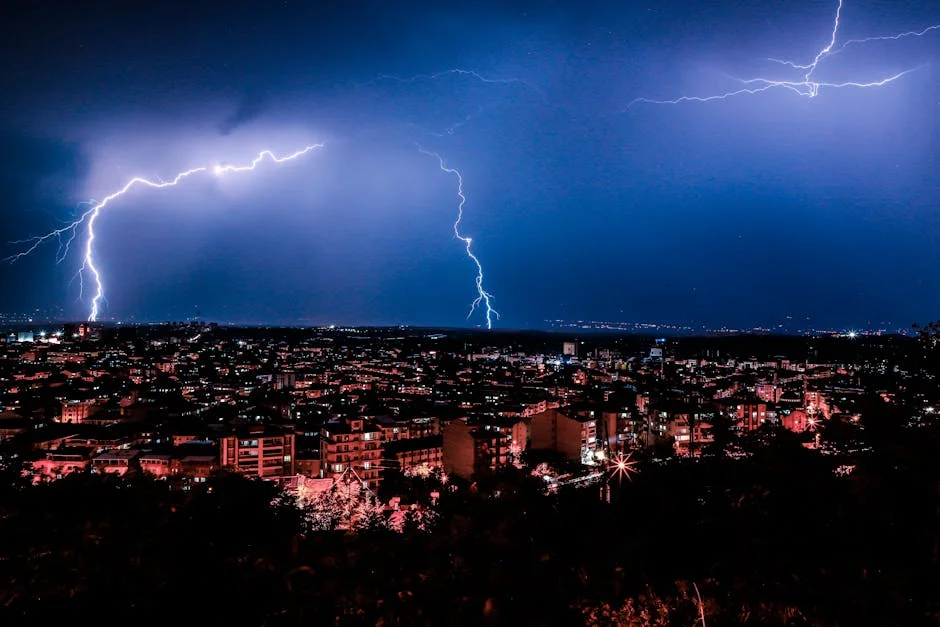
For communities reliant on agriculture, the weather could have a significant impact. Farmers in the Eastern Cape, a major producer of crops like maize and wheat, are particularly concerned. “We’ve seen erratic rains in recent months, and this could worsen our harvest,” said Thandiwe Mbeki, a farmer from Port Elizabeth. “We need more support from the government to manage these challenges.” The South African Department of Agriculture has announced that it will monitor the situation closely and provide assistance where needed.
Local Economy at Risk
The weather disruptions could have ripple effects on the local economy, particularly in sectors like transport and retail. In KwaZulu-Natal, major roads have already seen delays due to flooding, affecting the movement of goods and services. Logistics companies are preparing for potential delays, with some advising businesses to stock up on essential supplies. “Our clients are worried about how this will affect their operations,” said Sipho Dlamini, a transport manager in Durban. “We’re working with them to adjust schedules and ensure minimal impact.”
The tourism sector, which is vital for many coastal towns, is also under pressure. In the Western Cape, where the city of Cape Town is located, officials have issued warnings to visitors to avoid certain areas due to the risk of flash floods. “We’re advising tourists to check local advisories before planning their trips,” said Lulama Mkhize, a spokesperson for the Western Cape Tourism Board. “This is a tough time for the sector, but we’re doing everything we can to keep it running safely.”
Community Response and Preparedness
Communities across the affected provinces are taking proactive steps to mitigate the impact of the storms. In the Eastern Cape, local volunteers have been helping to clear drainage channels and distribute sandbags to flood-prone areas. “We’ve seen the damage that floods can do, so we’re trying to stay ahead of it,” said community leader Noma Dlamini from Grahamstown. “Our priority is to protect our homes and our people.”
Emergency services are on high alert, with the South African National Disaster Management Centre (SADMC) coordinating efforts across the provinces. “We’ve deployed additional teams to the affected areas and are monitoring the situation closely,” said SADMC spokesperson Mpho Mokoena. “We urge residents to stay updated through official channels and avoid unnecessary travel during the worst of the storms.”
Infrastructure and Public Health Concerns
Infrastructure damage remains a key concern, with reports of fallen trees and damaged power lines already surfacing. The Eskom power company has warned that some areas may experience intermittent outages as a result of the storms. “We’re monitoring the situation and will restore power as quickly as possible,” said Eskom spokesperson Kwaito Mokwena. “Residents are advised to stay safe and avoid contact with downed wires.”
What to Watch Next
As the storms approach, the focus remains on how well communities and authorities can manage the crisis. The next 48 hours will be critical, with the full impact of the weather expected to be felt by Thursday. The South African government has promised to provide regular updates and will assess the need for additional support. Citizens are encouraged to stay tuned to official sources for real-time information and safety instructions.
See Also
- [Patriotic Alliance’s Israel and Iran Stance Draws Scrutiny After Gayton McKenzie Meets US Ambassador Leo Brent Bozell III]
- Handicappers Scrap MR Reports, Leaving Punters in the Dark Over Betting Trends
In KwaZulu-Natal, major roads have already seen delays due to flooding, affecting the movement of goods and services. “We’re working with them to adjust schedules and ensure minimal impact.” The tourism sector, which is vital for many coastal towns, is also under pressure.
What is the latest news about south africa warns of thunderstorms amid april weather crisis?
Why does this matter for business-economy?
What are the key facts about south africa warns of thunderstorms amid april weather crisis?