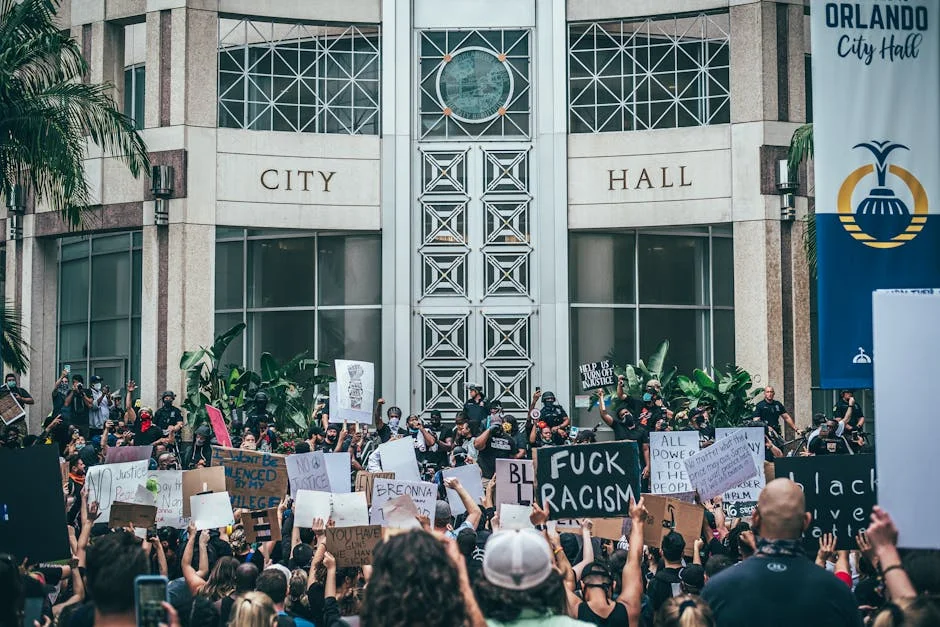
Tshwane’s suspended Chief Financial Officer, Mnisi, has categorically denied allegations that he used Sgt Nkosi as an intermediary in financial irregularities, as the city grapples with a growing public distrust in its leadership. The claims, which emerged last week, have intensified scrutiny on the Tshwane City Council, with residents demanding transparency and accountability. Mnisi, who was placed on administrative leave in March, has called the accusations “baseless,” but the controversy has already sparked protests and calls for an independent investigation.
Denial and Public Backlash
Mnisi’s denial came after a leaked internal memo from the Tshwane City Finance Department alleged that he had funneled funds through Sgt Nkosi, a local police officer. The memo, dated April 5, claimed that Nkosi was used to bypass standard financial protocols, though no concrete evidence has been presented. The revelation has ignited anger among residents, many of whom rely on city services that have been under strain due to budget mismanagement.

“This isn’t just about money—it’s about trust,” said Sipho Dlamini, a community leader in Orlando West. “If officials are using police officers as intermediaries, it shows a complete disregard for the people who pay their salaries.” The allegations have led to a 15% drop in public confidence in the Tshwane City Council, according to a recent survey by the Tshwane Civic Forum.
Sgt Nkosi's Role and Legal Implications
Sgt Nkosi, who has not publicly commented on the allegations, is now under investigation by the South African Police Service (SAPS). The case has raised concerns about the potential misuse of law enforcement for financial purposes. While Nkosi’s official role is to maintain public order, the accusations suggest he may have been used as a conduit for questionable transactions.
Legal experts warn that if proven, the case could set a dangerous precedent. “Using a police officer as an intermediary in financial dealings is a serious breach of public trust,” said Dr. Linda Mbeki, a constitutional law professor at the University of Pretoria. “It undermines the integrity of both the police and the financial institutions they are meant to support.”
Impact on Daily Life in Tshwane
The controversy has already begun to affect daily life in Tshwane. Residents in areas like Soweto and Atteridgeville report delays in service delivery, including water and electricity maintenance. The city’s budget, already strained by years of mismanagement, is now under further pressure as officials scramble to address public concerns.
“We’re not getting the services we need,” said Thandiwe Mkhize, a local shop owner in Maboneng. “Every time there’s a scandal, it’s the poor who suffer the most. We just want our city to function properly.” The situation has also led to a rise in community-led initiatives, with local groups stepping in to provide basic services where the city has failed.
Community Response and Calls for Accountability
Community leaders have called for immediate action, including the release of all financial records related to Mnisi’s tenure. A petition signed by over 10,000 residents has been submitted to the Tshwane City Council, demanding a full public inquiry. “We are not asking for anything unreasonable,” said Noma Molefe, a spokesperson for the Tshwane Youth Alliance. “We just want transparency and justice.”
Local media outlets have also amplified the calls for accountability. The Tshwane Times, a regional newspaper, has launched an investigative series into the allegations, with several more reports expected in the coming weeks. The coverage has sparked a broader conversation about corruption and governance in the region.
Political and Institutional Reactions
The South African National Council of Provinces has announced that it will hold a special session to address the allegations, with a focus on strengthening oversight mechanisms. Meanwhile, the Tshwane City Manager has pledged to cooperate fully with any investigations. “We take these allegations very seriously,” said City Manager Thandiwe Mokoena. “Our priority is to restore public trust and ensure that all financial practices are above board.”
Despite these assurances, many remain skeptical. With the city’s next budget review scheduled for June, the fallout from this scandal could have lasting implications for Tshwane’s financial stability and public services.
The situation in Tshwane highlights the broader challenges facing local governance in South Africa. As the city moves forward, the focus will be on whether officials can rebuild trust and implement meaningful reforms. For now, residents are watching closely, waiting for answers and accountability.