On 21 April 2026, a football match between Dynamo Kyiv and Bukovyna Chernivtsi turned into a flashpoint for regional tensions in Ukraine. The game, held in Kyiv, saw a surge in fan violence, with reports of clashes outside the stadium and a small number of injuries. The incident has raised concerns about the safety of public events in the country, particularly in the wake of ongoing conflicts in eastern Ukraine.
Matchday Unrest Sparks National Concern
The clash between Dynamo Kyiv and Bukovyna Chernivtsi was more than a football match—it became a symbol of deeper societal fractures. The game, which drew over 20,000 spectators, saw a significant number of fans from the western region of Bukovyna, many of whom have strong nationalist leanings. Reports from the Ukrainian Interior Ministry indicated that at least 15 people were injured during the pre-match and post-match chaos, with several arrests made.
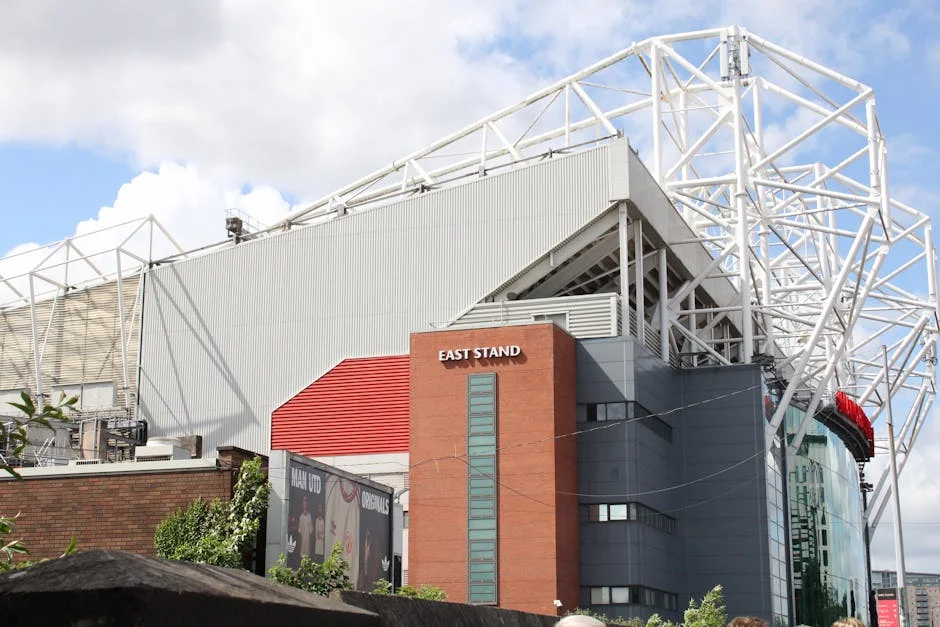
Local authorities in Kyiv have expressed alarm over the scale of the unrest. “This is not just about football. It reflects a broader issue of social division,” said Olena Yurchenko, a spokesperson for the Kyiv City Administration. The event has also sparked debates about the role of football in shaping national identity, particularly in a country still recovering from the war in the east.
Regional Impact on Daily Life
The violence at the stadium has had a ripple effect on daily life in Kyiv and surrounding areas. Public transport was disrupted for several hours after the match, with delays reported across the city’s metro system. Local businesses near the stadium, including cafes and shops, saw a sharp drop in customers, affecting small entrepreneurs who rely on event days for income.
Residents in nearby districts, such as Shevchenkivskyi and Solomianskyi, have voiced concerns about the safety of public gatherings. “It’s hard to enjoy a match when you’re worried about what might happen next,” said Ivan Kovalenko, a local shop owner. The incident has also led to increased police presence in public spaces, with more officers deployed to major stadiums and transport hubs.
Football as a Mirror of Society
Football in Ukraine has long been more than just a sport—it is a reflection of the country’s political and social landscape. The clash between Dynamo Kyiv, a club from the capital, and Bukovyna Chernivtsi, representing a western region, highlights regional divides. These tensions have been exacerbated by the war in the east, where many fans from the west have shown solidarity with the Ukrainian military.
Analysts say the violence at the match is a sign of deeper issues. “Football is a space where political and social tensions often come to a head,” said Dr. Natalia Koval, a sociologist at Kyiv University. “The match became a battleground for different identities, and that’s not something to ignore.”
What’s Next for Ukrainian Football?
The Ukrainian Football Federation has announced plans to review security measures for future matches. A special task force, led by former national team captain Andriy Shevchenko, will assess the risks and recommend changes to prevent similar incidents. The federation has also called for stricter penalties for fan violence, including bans from stadiums and criminal charges for those involved in attacks.
Local communities are also taking action. In Kyiv, a group of residents from the Shevchenkivskyi district has launched a petition urging the government to increase funding for community sports programs. “We need to give young people a positive alternative to violence,” said Anya Petrova, a volunteer with the initiative. The petition has already gathered over 10,000 signatures and is being considered by the city council.
Looking Ahead: A Test for Ukrainian Society
The events of 21 April 2026 have placed Ukrainian football under a new spotlight. The government and football authorities must now act to prevent further unrest. Fans, especially those from the western regions, are being urged to channel their energy into supporting their teams in a peaceful manner. The next match between Dynamo Kyiv and another club from the west will be a key test of whether these efforts are working.
As the country moves forward, the incident serves as a reminder that football can be both a unifying force and a source of division. For citizens in Kyiv and beyond, the coming weeks will be critical in determining how the nation handles its social and political challenges.
See Also
- Asus Expands into Southern Africa, Boosts Tech Access for Local Communities
- Huddersfield Town Faces Tough Test Against Bolton
The clash between Dynamo Kyiv, a club from the capital, and Bukovyna Chernivtsi, representing a western region, highlights regional divides. The next match between Dynamo Kyiv and another club from the west will be a key test of whether these efforts are working.