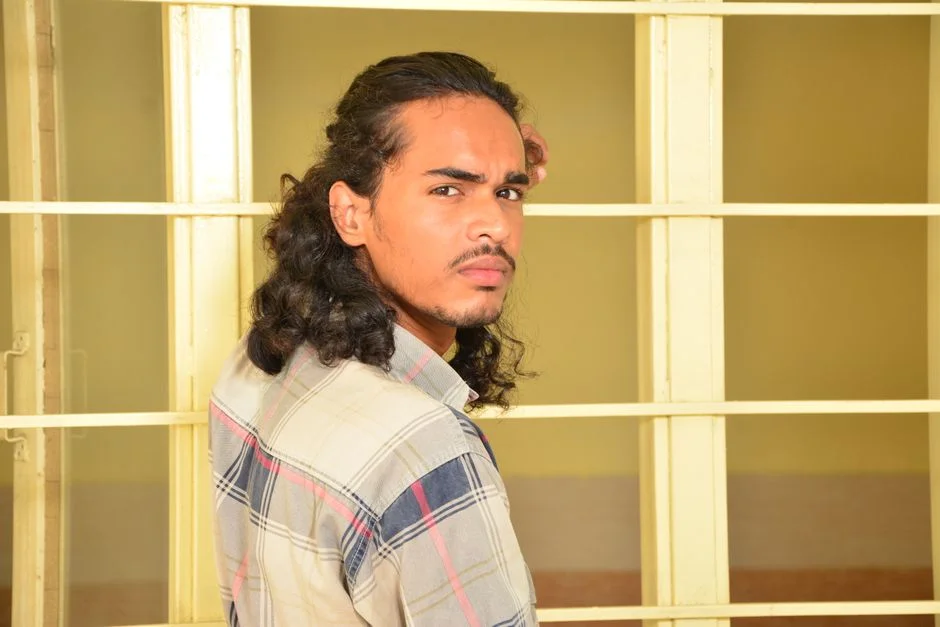
Carneiro, Brazil’s Minister of Social Development, announced sweeping reforms targeting housing, healthcare, and wage policies in a bid to address rising inequality in the Northeast region. The plan, unveiled in Recife on Monday, includes a 15% increase in public housing subsidies and expanded access to free medical care for low-income families. The move comes amid growing pressure from local communities and civil society groups to address deepening economic divides.
Reforms Aim to Alleviate Regional Disparities
The reforms focus on improving living conditions in the Northeast, where poverty rates remain among the highest in the country. Carneiro stated during a press conference that the new policies would prioritise areas such as Pernambuco, Ceará, and Bahia, which have long struggled with inadequate infrastructure and limited social services. “Our goal is to ensure that every citizen, regardless of where they live, has access to basic needs,” he said.

One of the key components of the plan is a 15% increase in the value of the “Minha Casa, Minha Vida” housing subsidy, which will benefit over 200,000 families across the region. The government also announced a pilot programme to provide free primary healthcare to 500,000 residents in the state of Pernambuco. These measures are expected to reduce the burden on families who currently spend up to 30% of their income on housing and medical costs.
Impact on Local Communities and Daily Life
For residents of Recife, the reforms signal a potential shift in government priorities. Maria Silva, a mother of three from the city’s working-class district of São José, said the changes could make a significant difference. “We’ve been struggling to afford rent and medical care. This could help us breathe a little easier,” she said.
The housing and healthcare initiatives are expected to have a ripple effect on the local economy. With more families able to afford stable housing, demand for construction and service sectors is likely to rise. In Ceará, where unemployment has been a persistent issue, the new policies could create thousands of jobs in the public and private sectors.
However, critics argue that the reforms do not go far enough. Luís Ferreira, an economist at the Federal University of Pernambuco, said the 15% housing subsidy increase is insufficient given the current inflation rate of 12%. “These measures are a step in the right direction, but they need to be part of a broader strategy to tackle poverty and inequality,” he said.
Seguro’s Role in the New Policy Framework
Seguro, Brazil’s national social security agency, will play a central role in implementing the new healthcare and wage policies. The agency has been tasked with expanding its coverage to include more low-income workers, particularly in the informal sector. This shift is expected to benefit millions of workers who have previously been excluded from social safety nets.
One of the key changes is the introduction of a new wage guarantee programme, which will provide financial support to workers earning below the minimum wage. The programme is set to launch in the state of Bahia, where nearly 20% of the population lives below the poverty line. “This is a historic moment for workers in the region,” said Ana Costa, a representative from the Bahia Workers’ Union.
Challenges Ahead
The success of the reforms will depend on the efficient allocation of resources and the ability of local governments to implement the new policies. While the federal government has pledged to invest R$5 billion in the first year, some experts warn that funding may be delayed due to bureaucratic hurdles. “We need transparency and accountability to ensure these funds reach the people who need them most,” said Costa.
The reforms also face political challenges. Opposition parties have raised concerns about the long-term sustainability of the funding model, particularly as Brazil continues to grapple with a growing public debt. “We need to be cautious about promising more than we can deliver,” said João Mendes, a political analyst from Rio de Janeiro.
What to Watch Next
The next critical step will be the implementation of the new policies in the coming months. By the end of the year, the government plans to roll out the expanded healthcare coverage to additional states and review the effectiveness of the housing subsidies. Citizens in the Northeast should monitor updates from the Ministry of Social Development and Seguro for further details.
As the reforms take shape, the focus will remain on how they impact everyday life in Brazil’s most vulnerable regions. With the upcoming elections approaching, the success or failure of these policies could influence public sentiment and political outcomes in the coming year.
See Also
- Bengo Launches New Rainfall Measures Amid Rising Flood Fears
- India's Gaganyatra Train Enters Moonscape Amid Lunar Ambitions
One of the key changes is the introduction of a new wage guarantee programme, which will provide financial support to workers earning below the minimum wage. While the federal government has pledged to invest R$5 billion in the first year, some experts warn that funding may be delayed due to bureaucratic hurdles.