South Africa’s leading newspaper, The Citizen, launched its 24-hour photo archive on 20 April 2026, capturing real-time visuals of life across the country. The initiative, developed by the newspaper’s Picture Editors, aims to provide a live visual record of daily events, from bustling cityscapes in Johannesburg to quiet rural communities in the Eastern Cape. The archive has already sparked a debate about how media coverage shapes public perception and daily life in South Africa.
The Citizen's 24-Hour Photo Archive: A New Media Model
The Citizen, one of South Africa’s most widely read newspapers, unveiled the 24-hour photo archive as part of its digital transformation strategy. The project, spearheaded by the newspaper’s Picture Editors, uses a network of local photographers and citizen journalists to submit images in real time. The archive is accessible via the newspaper’s website and mobile app, offering readers an immersive view of the country’s daily rhythms.
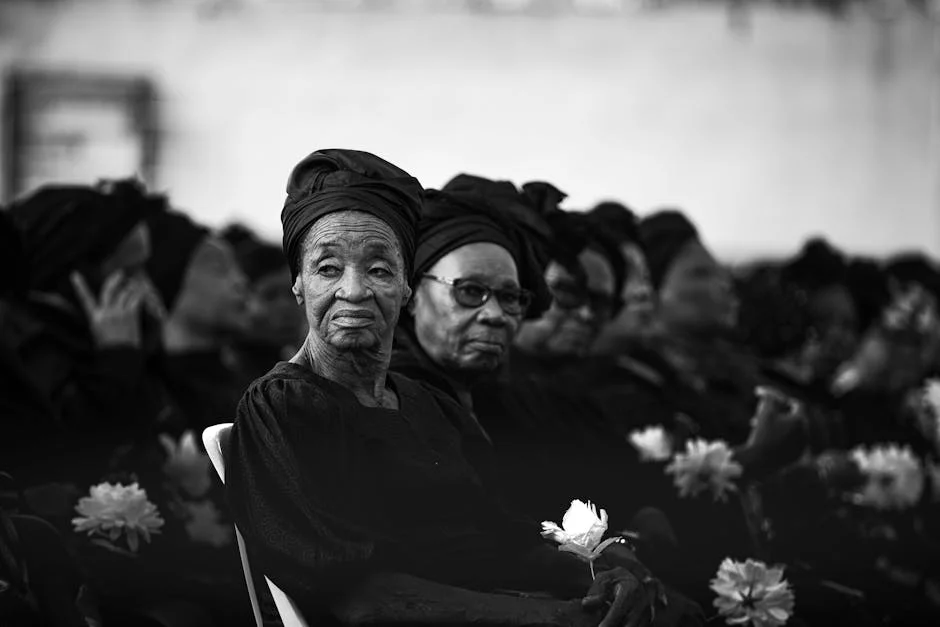
The initiative was announced by The Citizen’s editor-in-chief, Sipho Mthembu, who said, “We want to show the real South Africa — the moments that define our lives, from the morning rush in Sandton to the quiet of Soweto at dusk.” The archive includes more than 1,500 images uploaded daily, with a focus on community events, protests, and everyday interactions.
Impact on Daily Life and Community Engagement
For citizens in Johannesburg, the archive has become a tool for staying informed about local developments. Residents in areas like Hillbrow and Hillbrow have reported that the real-time images help them navigate traffic, avoid crowds, and stay updated on community events. “I check the archive every morning to see what’s happening in my neighborhood,” said Thandiwe Nkosi, a resident of Hillbrow.
The archive has also influenced how local businesses operate. In the Eastern Cape, shop owners in Port Elizabeth use the images to gauge foot traffic and adjust their inventory. “It’s like having a live map of the city,” said Mpho Dlamini, a retailer in the city center. “I can see when the streets are busy and when to restock.”
Local Economy and Media Consumption Shifts
The Citizen’s move has disrupted traditional media consumption habits in South Africa. The newspaper reported a 35% increase in daily website visits following the launch, with much of the traffic coming from users in urban centers like Cape Town and Durban. The shift has also affected local radio and television stations, which are now competing with real-time visual content.
Analysts say the archive could have long-term economic implications. “By offering a live visual feed, The Citizen is not just reporting news — it’s creating a new kind of media ecosystem,” said Dr. Linda Ngcobo, a media studies professor at the University of Cape Town. “This could influence how advertisers target local markets and how businesses engage with their communities.”
Public Reaction and Concerns
While many citizens welcome the initiative, some have raised concerns about privacy and the potential for misuse. In Soweto, residents have questioned how the images are stored and who has access to them. “It’s amazing that we can see what’s happening in real time, but I wonder if this could be used against us,” said James Mokoena, a local community leader.
The Citizen has addressed these concerns by stating that all images are uploaded voluntarily and that the archive is not accessible to the public without permission. However, the debate continues as users and critics alike weigh the benefits of real-time media against the risks of surveillance and data misuse.
What’s Next for The Citizen and South Africa’s Media Landscape
The Citizen’s 24-hour photo archive is set to expand to more regions in the coming months, with plans to include live video footage in 2027. The newspaper has also announced a partnership with local universities to train more citizen journalists, ensuring a steady flow of content from diverse communities.
As the archive grows, its impact on South African society will likely deepen. Citizens and businesses will continue to rely on it for real-time information, while policymakers and media experts will monitor its long-term effects. For now, the archive remains a window into the country’s daily life — and a test of how media can shape and reflect the rhythm of a nation.
Readers should watch for the next phase of the project, which includes a public consultation on data privacy and content guidelines. The Citizen has scheduled a town hall meeting in Johannesburg on 15 May 2026 to address concerns and gather feedback from the public.
See Also
- Cocoa Farmers in Ivory Coast Face Crisis as Commodity Prices Plummet: Local Impact Unfolds
- Cavaco Silva's Office Seizes Mira Amaral Amid Domestic Violence Probe
“This could influence how advertisers target local markets and how businesses engage with their communities.” Public Reaction and Concerns While many citizens welcome the initiative, some have raised concerns about privacy and the potential for misuse. The Citizen has addressed these concerns by stating that all images are uploaded voluntarily and that the archive is not accessible to the public without permission.
What is the latest news about south africas the citizen launches 24hour photo archive daily life impacts emerge?
Why does this matter for business-economy?
What are the key facts about south africas the citizen launches 24hour photo archive daily life impacts emerge?