Dozens of homes in Arruda dos Vinhos, a municipality in Portugal’s Lisbon region, were damaged by recent storms, prompting the National Laboratory for Civil Engineering (LNEC) to conduct an assessment. Local authorities are now seeking financial support from the banking sector due to delays in government aid, raising concerns among residents about their recovery. The situation has sparked a growing debate over the region’s vulnerability to extreme weather and the adequacy of emergency response systems.
Storm Damage Sparks Urgent Calls for Aid
The storms, which hit Arruda dos Vinhos in early April, caused widespread damage to homes and infrastructure. According to local reports, at least 40 properties were severely affected, with some structures partially collapsed. The LNEC, a state-run engineering institution, was deployed to evaluate the extent of the destruction and identify necessary repairs. "This is a critical moment for the community," said Ana Silva, a representative from the Arruda municipal council. "We need immediate support to help residents rebuild their lives."
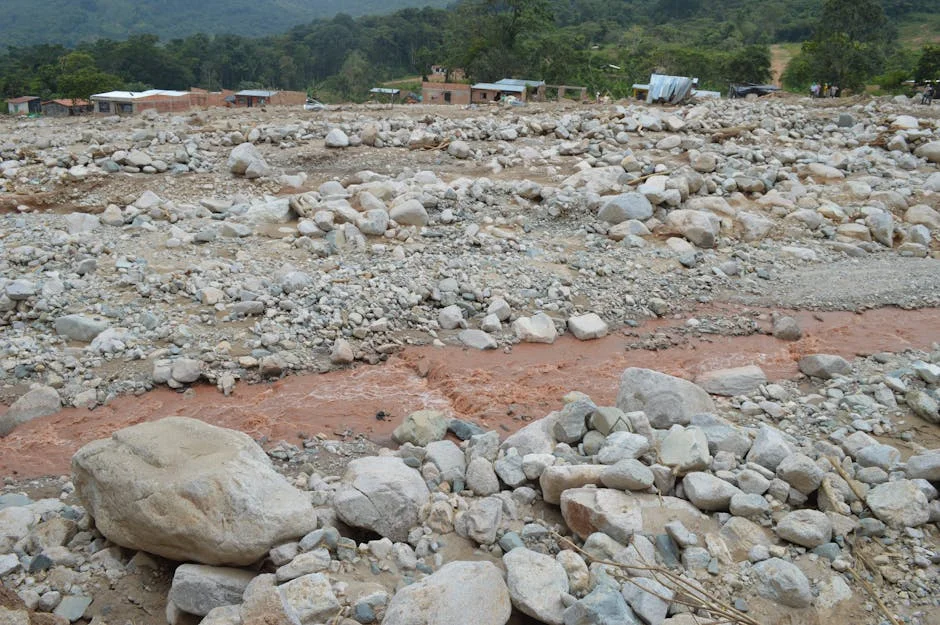
Residents have expressed frustration over the slow response from government agencies. The Ministry of Infrastructure and Housing, responsible for disaster relief, has yet to release funds. In the absence of immediate financial assistance, the local government has turned to the banking sector, requesting emergency loans to cover urgent repairs. "We are under pressure to act quickly," said João Fernandes, a member of the regional economic development board. "The people of Arruda deserve better support than what they are getting right now."
Community Response and Economic Strain
Local businesses have also felt the impact of the storms. The tourism sector, which relies heavily on the region’s historical sites and vineyards, has seen a sharp decline in visitors. Maria Oliveira, a hotel owner in Arruda, said her business has lost over 30% of its usual revenue. "We are struggling to keep our doors open," she said. "The damage to the area is not just physical — it’s economic as well."
Community groups have begun organizing relief efforts, collecting donations and offering temporary shelter to those displaced by the storms. However, these efforts are limited by resources. "We are doing what we can, but this is a long-term problem," said Carlos Mendes, a volunteer with the Arruda Emergency Response Network. "The government needs to step up and provide real, lasting support."
Historical Context and Climate Concerns
Arruda dos Vinhos is no stranger to extreme weather. Over the past decade, the region has experienced an increase in severe storms, linked to broader climate change trends. The LNEC has previously warned that without investment in flood defenses and infrastructure, the area will remain at risk. "This is not just an isolated event," said Dr. Luis Ferreira, a climate expert at the University of Lisbon. "We are seeing a pattern that needs urgent attention."
Residents are now calling for long-term solutions, including better drainage systems and stricter building codes. "We can’t keep waiting for the next storm to hit before we act," said Sofia Almeida, a local environmental activist. "The government must recognize the risks and invest in resilience."
Financial Challenges and Political Pressure
The financial strain on the local government has intensified. With no immediate aid from the national government, the municipality has been forced to explore alternative funding sources. This includes a potential loan from the Banco de Portugal, which has been approached for emergency assistance. "We are in a difficult position," said councilor João Fernandes. "We need to find a way to support our people without creating more debt."
Meanwhile, political pressure is mounting. Opposition leaders have criticized the government for its slow response, accusing it of neglecting rural areas. "This is a disgrace," said Pedro Costa, a member of the opposition party. "The people of Arruda deserve better. They are not asking for much — just the support they need to recover."
What Comes Next for Arruda?
The coming weeks will be crucial for Arruda dos Vinhos. The LNEC is expected to release its full assessment by mid-May, which will determine the next steps for repairs and aid distribution. Meanwhile, the municipal council is preparing to present its financial request to the Banco de Portugal. "We are hopeful," said Ana Silva. "But we need the government to act quickly — the people are waiting."
Residents are also planning to hold a public forum in June to discuss long-term climate resilience strategies. The event will bring together local officials, environmental experts, and community leaders to address the growing concerns about the region’s future. "This is just the beginning," said Sofia Almeida. "We need to build a stronger, more resilient Arruda for the years to come."
See Also
- Anthony Edwards' NBA Rise Sparks Hype in India's Basketball Scene
- Space Force Pushes SpaceX Over ULA for Launches — Cost Cuts Loom
The event will bring together local officials, environmental experts, and community leaders to address the growing concerns about the region’s future. "The government needs to step up and provide real, lasting support." Historical Context and Climate Concerns Arruda dos Vinhos is no stranger to extreme weather.