Beijing has officially halted the sale of consumer drones in select districts, a move that directly impacts thousands of residents and businesses relying on aerial technology. This sudden regulatory shift, announced by the Municipal Government, aims to streamline airspace management but has triggered immediate confusion among local vendors and enthusiasts. Citizens in the capital are now facing new bureaucratic hurdles to fly their devices, altering daily routines in one of the world's most densely populated urban centers.
Airspace Control Tightens in the Capital
The Chinese government has long viewed its skies as a strategic asset, balancing military precision with commercial innovation. Beijing, as the political heart of the nation, serves as the testing ground for these complex policies. The latest directive restricts sales in high-traffic zones, effectively creating a buffer zone around key government buildings and transit hubs. This is not merely a logistical adjustment but a strategic recalibration of who controls the air above the city.
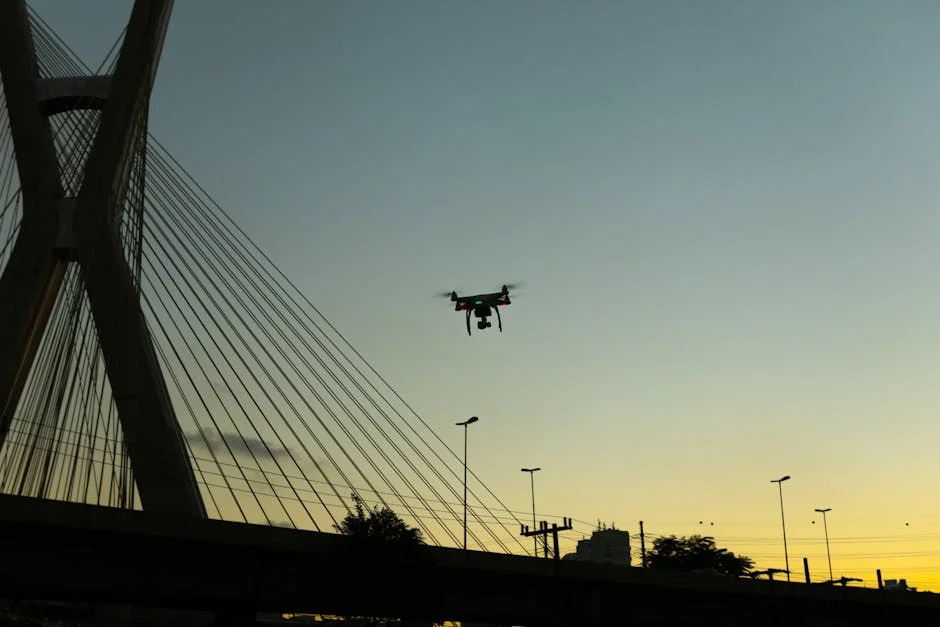
Residents in districts like Haidian and Chaoyang have already noticed the change. Local electronics stores report a sharp decline in walk-in customers, as buyers hesitate to invest in devices that may soon become difficult to operate. The uncertainty has created a ripple effect, with many consumers delaying purchases until the rules are fully codified. This hesitation is not just about convenience; it is about the fear of becoming obsolete in a rapidly evolving regulatory landscape.
Impact on Local Vendors
Small business owners in Beijing are feeling the pinch of this new policy. Many shops that previously thrived on the steady stream of tech-savvy buyers are now seeing empty shelves. The lack of clear guidance has made inventory management a nightmare for retailers who must decide whether to hold stock or liquidate at a discount. This economic friction highlights the broader challenges of implementing top-down policies in a dynamic market.
The government argues that these measures are essential for public safety and noise reduction. However, the execution has been described by some locals as abrupt and insufficiently communicated. Community leaders in residential compounds are now tasked with explaining the nuances of the ban to neighbors who may not follow national news closely. This grassroots level of communication is crucial for ensuring compliance and minimizing social friction.
Why This Matters for Chinese Citizens
For the average citizen in Beijing, a drone is more than a gadget; it is a tool for work, leisure, and sometimes even necessity. Freelance photographers, real estate agents, and small delivery startups rely on these devices to stay competitive. The ban disrupts their workflow, forcing them to adapt to new constraints or risk losing their edge in a crowded market. This direct impact on livelihoods is what makes the policy so significant for the local population.
Moreover, the restriction affects the quality of urban life. Drones have become a common sight at parks and squares, offering a visual spectacle for residents. Their absence changes the sensory experience of the city, making the skies quieter but also less dynamic. Community groups have expressed mixed feelings, with some welcoming the reduced noise while others lament the loss of a modern urban feature. This social dimension is often overlooked in broader economic analyses.
The policy also raises questions about privacy and surveillance. In a city known for its extensive camera networks, the addition of drones adds another layer of observation. By limiting sales, the government may be attempting to control not just the number of drones but the data they collect. This subtle shift in power dynamics is something that privacy advocates and tech experts are closely monitoring. The implications extend far beyond the immediate convenience of flying a quadcopter.
Broader Implications for the Tech Sector
Beijing is a microcosm of China's broader tech ambitions. What happens in the capital often sets the precedent for the rest of the country. If the drone ban proves successful in managing airspace, other major cities like Shanghai and Shenzhen may follow suit. This could reshape the national market, forcing manufacturers to adapt their products to meet stricter urban requirements. The ripple effects will be felt across the supply chain, from component suppliers to software developers.
Global tech giants with a presence in Beijing are also watching this development closely. Companies like DJI, which is headquartered nearby in Shenzhen, must navigate these local regulations to maintain their market share. The ban could influence their product design, leading to more compact, quieter, and smarter drones that are better suited for dense urban environments. This innovation pressure could ultimately benefit consumers, provided they can afford the new models.
The international community is also taking note. As China continues to dominate the global drone market, its domestic policies can influence international standards. Other countries may look to Beijing’s approach as a model for managing urban airspace, especially as drone delivery services become more common worldwide. This geopolitical angle adds another layer of complexity to what might seem like a local issue. The decisions made in Beijing have the potential to echo across global markets.
What to Watch Next
Residents and businesses in Beijing should prepare for further clarifications from the Municipal Government. The next few weeks will be critical as officials release detailed guidelines on registration, flight paths, and permitted zones. Staying informed through local news outlets and community bulletins will be essential for navigating this new regulatory environment. The initial phase of the ban is just the beginning of a longer adjustment period.
Keep an eye on the reaction from major tech companies. Their response will signal whether this is a temporary measure or a long-term strategic shift. If manufacturers begin rolling out new, compliant models, it will confirm that the market is adapting rather than retreating. This will be a key indicator for investors and consumers alike. The coming months will reveal how resilient the drone industry is in the face of bureaucratic change.
Finally, monitor the social media sentiment among Beijing residents. Public opinion can sway policy implementation, especially in a city where digital feedback is rapidly aggregated. If complaints about noise or inconvenience persist, the government may need to refine its approach. This dynamic interplay between policy and public perception will determine the ultimate success of the drone ban. The story is far from over, and the next chapter will be written by the people who live and work in the capital.