A catastrophic fire tore through a multi-storey building in Vivek Vihar, East Delhi, on Sunday, leaving nine people dead and triggering a frantic rescue operation. Emergency services rushed to the scene as thick black smoke billowed over the residential area, with initial reports suggesting an air-conditioner unit explosion may have ignited the blaze. The incident has sent shockwaves through the community, raising urgent questions about building safety standards and fire preparedness in one of the capital’s most densely populated neighborhoods.
Chaos Unfolds in Vivek Vihar
The fire broke out late Sunday evening, catching many residents off guard as they prepared for dinner or rested after a long day. Witnesses described a scene of pure panic, with screams echoing from upper floors as flames rapidly consumed the ground and first floors of the structure. Neighbors rushed to the site, some bringing ladders and ropes to help those trapped on balconies and windows. The speed at which the fire spread suggests that combustible materials, possibly stored goods or old electrical wiring, played a major role in fueling the inferno.
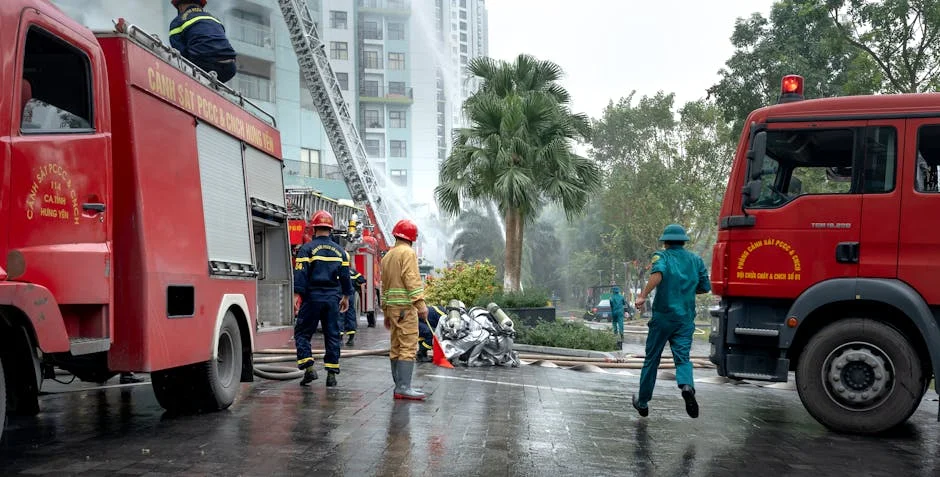
Firefighters from the Delhi Fire Service arrived within minutes, deploying multiple tenders to battle the blaze. However, the narrow lanes typical of East Delhi posed a significant challenge for the large fire trucks, delaying the initial attack on the fire. Crews had to work tirelessly to ventilate the building and create pathways for the trapped occupants. The intensity of the heat was so great that some firefighters reported feeling dizzy, requiring short rotations to maintain efficiency. Despite their efforts, the sheer volume of smoke and the rapid structural collapse made saving every life a daunting task.
AC Blast: The Suspected Culprit
Investigations are currently focusing on an air-conditioner unit on the third floor as the likely source of the spark. Preliminary findings indicate that a short circuit in the AC’s wiring could have ignited nearby curtains or stored furniture. This theory aligns with other recent fires in Delhi where electrical faults have been the primary cause. The Delhi Electricity Supply Undertaking (DELUS) has begun inspecting the electrical lines feeding the building to confirm if a voltage surge contributed to the short circuit. Residents are now wary of their own appliances, checking plugs and wires with newfound anxiety.
Electrical Safety Concerns
The suspicion of an AC blast highlights a broader issue of electrical safety in Delhi’s aging housing stock. Many buildings in Vivek Vihar were constructed decades ago and have undergone multiple renovations without updating the electrical infrastructure. Overloading circuits with modern appliances like air conditioners, geysers, and refrigerators puts immense strain on the wiring. Experts warn that without regular maintenance and upgrades, such incidents are likely to recur. The local municipal corporation is now under pressure to enforce stricter electrical audits for residential complexes in the area.
Community in Mourning
The loss of nine lives has turned Vivek Vihar into a sea of black attire and grief. Families have gathered at the local community center, waiting for news about the missing and preparing for the funeral rites. The victims include men, women, and even a young child, making the tragedy all the more heartbreaking for the neighborhood. Local leaders have organized relief camps to provide food, water, and temporary shelter for those displaced by the fire. The sense of communal support is strong, with neighbors opening their homes and donating clothes and essentials to the affected families.
Social media has been flooded with updates and appeals for help, with hashtags trending locally as people share stories of the victims. Many residents expressed frustration with the lack of fire exits and the condition of fire hydrants in the area. One resident stated that the main gate was blocked by parked cars, delaying the entry of ambulances. This incident has reignited debates about urban planning and the need for wider roads and better infrastructure in East Delhi. The community is demanding immediate action to prevent a repeat of such a devastating event.
Impact on Daily Life and Local Economy
The fire has disrupted daily life in Vivek Vihar, with traffic congestion affecting commuters for hours after the incident. Shops and small businesses in the vicinity closed early on Sunday evening, fearing that the smoke and noise would deter customers. The local market, known for its vibrant evening trade, saw a dip in sales as pedestrians avoided the area. Small shop owners are concerned about the long-term impact on their businesses, especially if the building’s structural integrity is questioned, leading to potential evacuations of adjacent properties. The uncertainty has created a ripple effect on the local economy, with vendors worried about steady footfall in the coming days.
Residents are also facing immediate logistical challenges. Those living in the building have had to move in with relatives or book last-minute hotel rooms. The disruption affects school-going children, who are missing classes, and working professionals, who are dealing with a mix of grief and work pressure. The local schools and offices in East Delhi have announced flexible hours and attendance policies to help employees and students cope with the situation. This temporary adjustment highlights the direct impact of local disasters on the daily routines of citizens, forcing them to adapt quickly to unexpected changes.
What Comes Next
The Delhi Government has ordered a high-level inquiry into the cause of the fire and the response of the emergency services. The Chief Minister has visited the site, expressing condolences to the bereaved families and promising financial assistance for the victims. A compensation package is expected to be announced soon, which will provide immediate relief to the families for medical expenses and funeral costs. The inquiry will also look into the role of the local municipal corporation in maintaining fire safety standards in the area. Residents are holding their breath, hoping for swift action and accountability.
In the coming days, the focus will shift to the reconstruction efforts and the implementation of new safety measures. The Delhi Fire Service plans to conduct a comprehensive audit of all residential buildings in East Delhi to identify potential fire hazards. This proactive step aims to prevent future tragedies and restore confidence among the residents. The community will also play a crucial role in monitoring these changes, ensuring that the lessons from the Vivek Vihar fire are not forgotten. Citizens should watch for updates on the inquiry report and the subsequent policy changes that could affect housing regulations in Delhi.
See Also
- Maharashtra Opens Mumbai-Pune Expressway 'Missing Link' — Cuts Travel Time by 30 Minutes
- Namo Bharat Expands Rail Network to Bahadurgarh, Boosting Regional Connectivity
What is the latest news about delhi fire kills 9 in vivek vihar ac blast suspected?
Why does this matter for business-economy?
What are the key facts about delhi fire kills 9 in vivek vihar ac blast suspected?