Delhi woke up to a dramatic shift in weather as heavy rain and a sudden hailstorm lashed the national capital on Monday. The meteorological changes brought a temporary respite from the sweltering heat but caused immediate disruptions across the city. Commuters faced chaos on roads and in subways, while the local economy felt the immediate impact of the downpour.
Sudden Onset of Rain and Hail
The weather pattern changed rapidly in the early morning hours. Residents in North Delhi reported a sudden drop in temperature as grey clouds gathered over the skyline. The Indian Meteorological Department had issued a yellow alert for the region, warning of scattered showers. This warning proved accurate as the first drops began to fall around 7:00 AM.
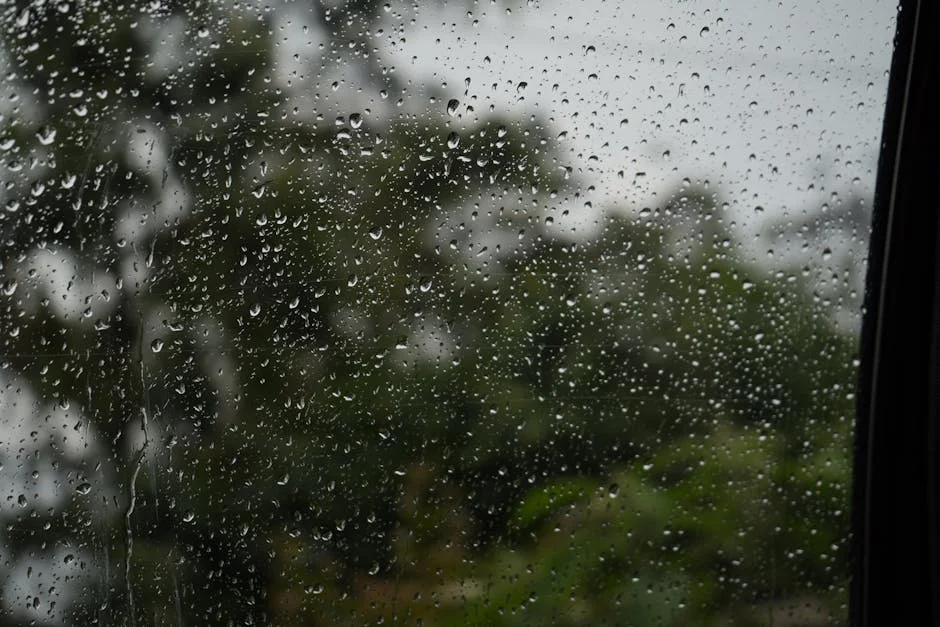
By 8:30 AM, the rain intensified into a steady downpour. Small pellets of ice, known as hail, began to strike rooftops and parked cars. The hail was particularly heavy in areas like Rohini and Pitampura. Residents rushed to cover their vehicles, fearing damage to windshields and paintwork. The sight of white hail covering red soil was a rare spectacle for many.
The temperature dropped significantly during this period. It fell from a high of 38 degrees Celsius on Sunday to just 28 degrees Celsius by midday. This sharp decline provided immediate relief to thousands of residents. However, the speed of the change caught many off guard. Some areas saw more rain than others, creating a patchy weather pattern.
Transportation Networks Face Disruption
The Delhi Metro Rail Corporation reported minor delays across multiple lines. Waterlogging occurred at several key stations, forcing commuters to use temporary ramps. The Red Line and Yellow Line were the most affected due to heavy traffic above ground. Passengers complained of crowded carriages as buses were delayed.
Road Conditions and Traffic Jams
Roads in South Delhi turned into rivers within an hour. The Ring Road saw heavy congestion as cars slowed down to navigate puddles. Traffic police deployed additional staff to manage the flow. The National Capital Region Transport Corporation warned drivers to expect a 20-minute delay on average.
Bus services were also impacted by the sudden downpour. The Delhi Transport Corporation reported that 15% of its fleet was temporarily stranded. Drivers had to adjust their routes to avoid low-lying areas. This adjustment caused a ripple effect on the entire public transport network. Commuters had to plan their journeys with extra time in mind.
Air travel remained relatively smooth despite the ground chaos. The Indira Gandhi International Airport reported only a few minor delays. Flights were on time for the most part, thanks to efficient runway management. However, the taxi queues outside the terminals grew longer as passengers waited for rides.
Impact on Daily Life and Local Economy
Small businesses in Delhi felt the immediate effect of the rain. Street vendors, who are the backbone of the local economy, had to pack up early. The famous Chawri Bazar market saw a surge in sales of umbrellas and raincoats. Shopkeepers reported a 10% increase in footfall in the first hour of the rain.
Schools in the region adjusted their schedules to accommodate the weather. Many institutions declared a half-day for primary students. Parents had to rush to pick up their children from nurseries and kindergartens. The pleasant weather allowed students to enjoy the outdoors before heading home.
The construction industry also slowed down. Workers on sites in West Delhi paused their tasks to avoid slipping on wet surfaces. This pause might lead to minor delays in ongoing projects. However, the drop in temperature was beneficial for concrete setting. Engineers noted that the mild weather was ideal for certain construction phases.
Local markets saw a boost in sales of seasonal goods. The Sabzi Mandi in Azadpur reported higher turnover for leafy greens. Farmers from nearby districts delivered fresh produce to the capital. The rain helped to clean the dust from the leaves, making them more appealing to buyers. This short-term boost was welcome news for the agricultural community.
Health Concerns for Residents
The sudden change in weather poses health risks for Delhi residents. Doctors have warned of a spike in respiratory issues. The drop in temperature can trigger asthma attacks in sensitive individuals. The Delhi Health Department advised people to carry light jackets when stepping out.
Allergies are also on the rise due to the mix of dust and rain. The phenomenon, known as petrichor, releases bacteria and spores into the air. This can cause sneezing and itchy eyes for many commuters. Health experts recommend using masks in crowded places like metro stations.
Flu cases are expected to increase in the coming weeks. The pleasant weather encourages people to go out more, increasing exposure to germs. Hospitals in the capital are preparing for a potential surge in outpatient visits. The government has set up temporary clinics in high-density areas.
Older adults are particularly vulnerable to the temperature shift. They are advised to stay hydrated and avoid sudden exposure to cold air. Families are checking on their elderly relatives to ensure they are comfortable. Community health workers are visiting homes in older neighborhoods to monitor conditions.
Meteorological Analysis and Forecast
The Indian Meteorological Department attributes the rain to a western disturbance. This weather system is common in northern India during the pre-monsoon season. It brings moisture from the Mediterranean Sea, leading to showers and hail. The current disturbance is expected to linger for two more days.
Forecasts indicate that the temperature will remain mild for the next 48 hours. Nighttime temperatures may drop to 20 degrees Celsius in some areas. This relief from the heat is welcomed by residents who have endured high temperatures for weeks. However, humidity levels are expected to rise, making the air feel heavier.
The hailstorm was caused by strong updrafts in the atmosphere. These updrafts carry water droplets high into the sky, where they freeze. When they become too heavy, they fall back to the ground as hail. This process is more common when there is a sharp contrast between surface and upper-air temperatures.
Experts note that such weather patterns are becoming more frequent. Climate change is altering the traditional weather cycles in the region. Delhi is seeing more extreme weather events, including sudden heatwaves and heavy rains. This trend requires better urban planning and infrastructure development.
Community Response and Local Initiatives
Residents of Delhi have shown resilience in facing the weather changes. Community groups have organized clean-up drives to remove debris from streets. Volunteers in areas like Lajpat Nagar and Karol Bagh have been active. Their efforts help to prevent waterlogging and improve drainage.
Local authorities have increased the frequency of garbage collection. The Municipal Corporation of Delhi has deployed extra trucks to handle the wet waste. This initiative aims to prevent the spread of diseases like dengue and malaria. Clean streets contribute to a healthier environment for all residents.
Social media has been buzzing with updates and photos of the hailstorm. Residents share their experiences on platforms like Twitter and Instagram. These posts help to create a sense of community and shared experience. They also provide real-time information about traffic and weather conditions.
Businesses have adapted their strategies to cater to the weather. Cafes have introduced warm beverages and comfort foods. Restaurants offer discounts on soups and stews to attract customers. This adaptability shows the dynamic nature of the local economy. It also enhances the customer experience during unusual weather.
Infrastructure and Urban Planning
The recent rain highlights the need for better drainage systems in Delhi. Many low-lying areas still suffer from waterlogging. The New Delhi Municipal Council has announced plans to upgrade drainage infrastructure. These upgrades aim to handle larger volumes of rainwater efficiently.
Road maintenance is also a critical issue. The rain exposes potholes and cracks in the asphalt. The Public Works Department has started filling these gaps to ensure smooth traffic flow. Regular maintenance can reduce the impact of weather on road conditions. It also improves safety for cyclists and pedestrians.
Green spaces play a vital role in managing urban heat and rain. Delhi has been increasing its green cover through tree-planting initiatives. Parks and gardens help to absorb excess water and reduce runoff. These natural solutions complement traditional infrastructure and enhance the city's resilience.
The government is also investing in smart city technologies. Sensors are being installed to monitor water levels and traffic flow. These sensors provide real-time data to help authorities make informed decisions. This technological approach aims to make Delhi more responsive to weather changes.
Looking Ahead: What to Watch Next
The weather in Delhi is expected to remain unpredictable for the next week. Residents should stay updated with the latest forecasts from the Indian Meteorological Department. The coming days will see a mix of sun and showers, with temperatures hovering around 30 degrees Celsius. This pattern will continue until the monsoon arrives.
Commuters should plan their journeys with extra time to account for potential delays. The Delhi Metro and bus services are likely to experience minor disruptions. Drivers should check road conditions before heading out, especially in low-lying areas. Staying informed will help minimize the impact of weather on daily routines.
Health authorities will monitor the situation closely for any spikes in respiratory and allergic conditions. Hospitals are preparing for an increase in patient visits. Residents, especially the elderly and those with chronic conditions, should take necessary precautions. Carrying a light jacket and staying hydrated are simple but effective measures.
The local economy will continue to adapt to the changing weather patterns. Small businesses will adjust their offerings to meet consumer demand. This adaptability is a strength of the Delhi market. It also provides opportunities for innovation and growth in various sectors. The coming weeks will test the resilience of the city's infrastructure and its people.
See Also
- Rahul Gandhi Meets Delhi Auto Drivers — Inflation and Gas Prices Rise
- Khalifa Haftar asserts control over Libya: what this means for Europe
Meteorological Analysis and Forecast The Indian Meteorological Department attributes the rain to a western disturbance. Forecasts indicate that the temperature will remain mild for the next 48 hours.
What is the latest news about delhi weather triggers chaos as rain and hail lash city?
Why does this matter for politics-governance?
What are the key facts about delhi weather triggers chaos as rain and hail lash city?