On Monday, hundreds of Malians residing in Paris gathered in Montreuil to express their support for the ruling junta in Bamako. This event, orchestrated by various Malian diaspora groups, underscores the ongoing political dynamics affecting Mali and its citizens abroad. The rally was marked by speeches and demonstrations showcasing solidarity with the military leadership back home.
Understanding the Rally's Significance
The demonstration in Montreuil is pivotal in understanding the sentiments of the Malian diaspora towards their homeland. Located in the eastern suburbs of Paris, Montreuil is home to a significant Malian community. These individuals are keenly aware of the political developments in Mali, especially since the military junta took power in 2020. Their support indicates a diaspora that is not only engaged but also influential in shaping perceptions of Mali's governance abroad.
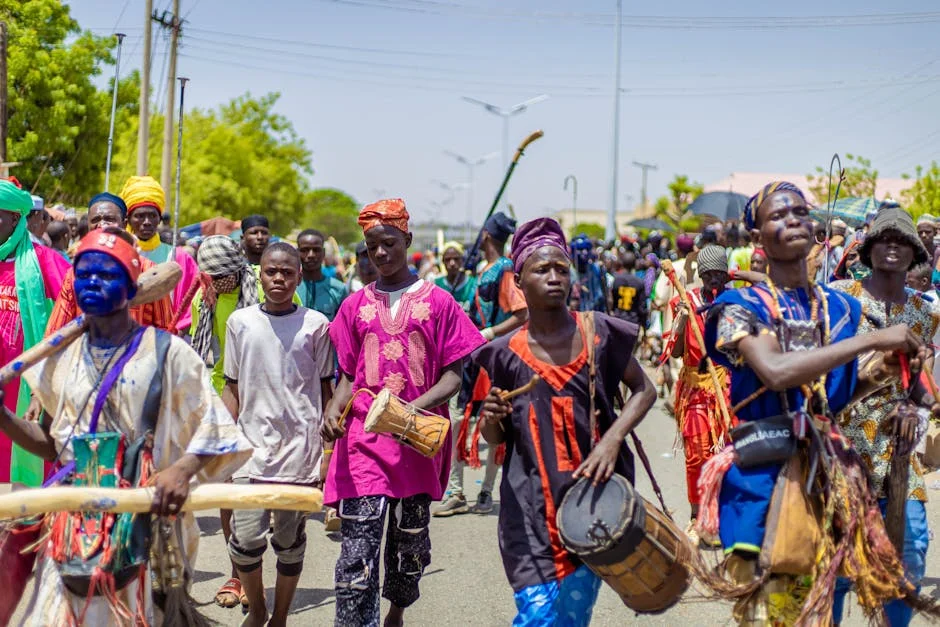
The junta, led by Colonel Assimi Goïta, has promised to restore civilian rule but faces international scrutiny. In recent months, the Malian government's actions have led to strained relations with several Western nations, including France. The diaspora's rally in Paris is an effort to counteract negative international perceptions and to bolster moral support for the junta's policies.
Impact on Local Communities in Paris
The rally has had a noticeable impact on local Malian communities in Paris. Many attendees expressed a sense of unity and purpose, reinforcing cultural ties and political engagement. The event provided a platform for discourse on issues such as governance, democracy, and national identity. These discussions are crucial, as they resonate with the broader immigrant communities in Paris, highlighting the importance of political participation and representation.
Moreover, such gatherings strengthen social cohesion among Malians in Paris, who often face challenges integrating into French society. By rallying around a common cause, the community can cultivate a stronger voice in advocating for their interests both in France and Mali.
Broader Implications for Mali and Beyond
Political and Economic Consequences
The support from the diaspora could have tangible effects on Mali's political landscape. By demonstrating backing from abroad, the junta may feel emboldened to pursue its agenda without fear of losing legitimacy. This can lead to more decisive actions in both domestic policies and international diplomacy, potentially impacting Mali's economic relations, notably with its African partners and global allies.
For the international community, understanding these dynamics is crucial. As the junta seeks to solidify its power, the backing of the diaspora can serve as a barometer for its acceptance or resistance among Malians worldwide.
What to Watch Next
Looking ahead, observers should watch for potential shifts in Mali's political strategy, particularly any changes in its approach towards international cooperation and economic reforms. The junta's ability to maintain support from both domestic and international Malians will be critical as it navigates these complex political waters. Upcoming diplomatic engagements and economic policy announcements will likely reveal the junta's trajectory and its implications for Mali's future.