Africa's economic growth is under unprecedented pressure as mounting risks threaten to erode recent gains. According to a report from the International Monetary Fund (IMF) released in Washington, the region's GDP growth, which reached an average of 3.7% over the past decade, could falter due to escalating threats.
Economic Challenges Looming
The IMF has highlighted several significant risks that could impede progress in Africa. These include rising debt levels, volatile commodity prices, and political instability in certain regions. The report specifically points to Saharan Africa, where external debt has ballooned to over 50% of GDP in some countries, exacerbating fiscal vulnerabilities.
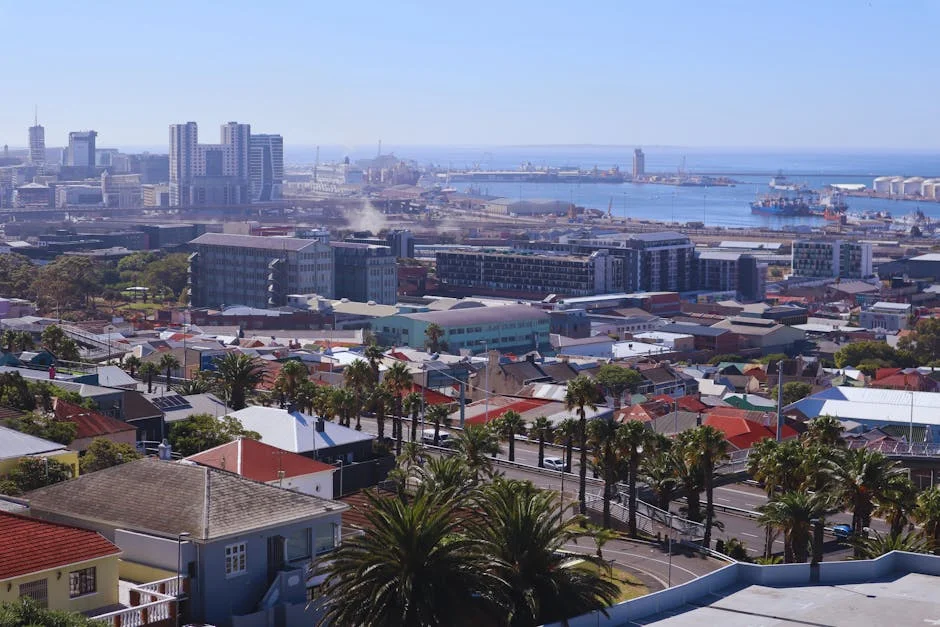
In Nigeria, Africa's largest economy, the impact of fluctuating oil prices has been severe. The country's economy, which heavily relies on crude oil exports, faces uncertainty as global demand shifts and prices waver. This uncertainty affects ordinary citizens, with potential knock-on effects on employment and public services.
Impact on Local Communities
For local communities in Saharan Africa, these economic challenges translate into real-world difficulties. Rising inflation, driven by currency devaluations and supply chain disruptions, has made everyday goods more expensive. In Lagos, for instance, the cost of basic food items like rice and bread has surged by approximately 20% in the past year, placing a strain on household budgets.
The social impact is also evident as governments struggle to maintain infrastructure and services. In countries like Ethiopia, budget cuts have affected public health and education sectors, compounding the challenges faced by communities already grappling with poverty and limited resources.
Community Response and Adaptation
Despite these hurdles, communities are finding ways to adapt. Local entrepreneurs in regions such as Ghana are turning to technology and innovation to overcome economic constraints. Agritech startups, for instance, are using mobile platforms to connect farmers with markets, enabling them to bypass traditional barriers.
Role of International Aid
International organisations and governments are stepping in to offer support. The World Bank has recently pledged $3 billion in aid to assist with infrastructure projects and economic reforms. This support aims to stabilise economies by improving access to credit and enhancing resilience against external shocks.
Future Prospects and Next Steps
Looking ahead, the focus will be on sustainable growth strategies that can withstand external pressures. Policymakers in Africa are urged to diversify economies away from volatile commodities and to invest in sectors such as technology and renewable energy.
As the situation evolves, citizens and businesses should watch for developments in international trade agreements and regional collaborations that could open new economic opportunities. With the African Continental Free Trade Area (AfCFTA) gaining momentum, the potential for increased intra-African trade presents a silver lining for future growth.