Lebanon faced a tragic event on Thursday when Israeli military strikes resulted in the death of a journalist and injuries to another. The incidents occurred near the southern Lebanese border, escalating existing tensions in the region. The deceased was a local journalist, while another, identified as Zeinab Faraj, suffered serious injuries. The attack has sparked outrage among citizens and raised questions about safety for media professionals in conflict zones.
Impact on Lebanese Communities
The strikes have left communities in southern Lebanon reeling, with many expressing fear for their safety. The border region, known for its volatility, has once again become a focal point of conflict, impacting daily life for local residents. Schools and businesses in the area have been disrupted, with many choosing to stay indoors to avoid potential danger.
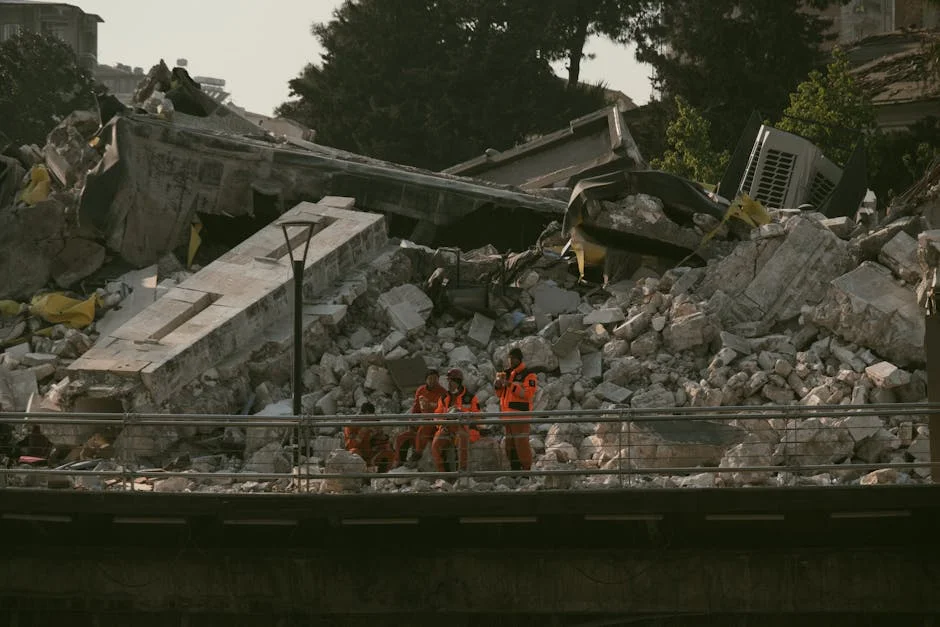
Residents are not only dealing with immediate safety concerns but are also grappling with the psychological effects of living in a conflict zone. The death of the journalist has particularly resonated with the local press community, highlighting the risks faced by media members who report from these regions.
Regional Political Ramifications
The incident has drawn sharp criticism from the Lebanese government and various international bodies, calling for a thorough investigation into the strikes. This event has further strained Israel-Lebanon relations, which have been fraught with tension for decades.
Lebanese officials have accused Israel of violating international law, calling for intervention from the United Nations. The strikes have also been condemned by media rights organizations globally, emphasizing the need to protect journalists working in high-risk areas.
Responses from the International Community
Condemnations and Calls for Action
International reactions have been swift, with calls for de-escalation from countries and organizations around the world. The United Nations has expressed concerns over the rising hostilities and urged both nations to exercise restraint.
Media organizations have demanded accountability and protection for journalists covering conflict zones. The Committee to Protect Journalists (CPJ) has released a statement urging for thorough investigations and appropriate measures to ensure the safety of journalists.
Economic and Social Implications
The ongoing conflict and recent strikes have also affected Lebanon's already fragile economy. The tourism industry, crucial to the nation’s economy, is likely to suffer as fears over safety deter visitors. Additionally, local businesses face disruptions, impacting livelihoods in the region.
Moreover, the social fabric has been tested as communities rally around the affected families. Local NGOs and support groups are mobilizing resources to provide aid and psychological support to those impacted by the violence.
What to Watch in the Coming Weeks
As the situation develops, the world will be observing how Israel and Lebanon address this latest conflict escalation. Diplomatic efforts will be crucial in the coming weeks to prevent further deterioration of relations. Meanwhile, attention will also focus on the safety protocols for journalists in conflict zones and potential international policy changes to better protect them.
See Also
- US Trade Team Heads to India — What Changes for Your Wallet
- Nicole Minetti's Legal Drama Unfolds — How It Affects IN Communities
The United Nations has expressed concerns over the rising hostilities and urged both nations to exercise restraint.Media organizations have demanded accountability and protection for journalists covering conflict zones. Additionally, local businesses face disruptions, impacting livelihoods in the region.Moreover, the social fabric has been tested as communities rally around the affected families.