Bauchi state officials used World Rural Development Day to demand that political leaders stop treating rural communities as an afterthought. The call came during a commemorative event that brought together government representatives, traditional rulers, and community development advocates in the state capital. The gathering highlighted growing frustration over infrastructure gaps and service delivery failures that continue to marginalise millions of Nigerians living outside urban centres.
Rural Communities Demand Inclusion in Policy Decisions
The speaker at the event, identified as Wunti, challenged political leaders to fundamentally shift how they approach development planning. Rather than simply allocating funds to rural areas, Wunti argued that communities must have a direct voice in determining which projects receive priority. The demand reflects widespread complaints across Nigeria that development initiatives often ignore the preferences of those they are meant to serve. Local officials at the event echoed this sentiment, pointing to numerous examples where completed projects fell into disrepair within years because they did not address genuine community needs.
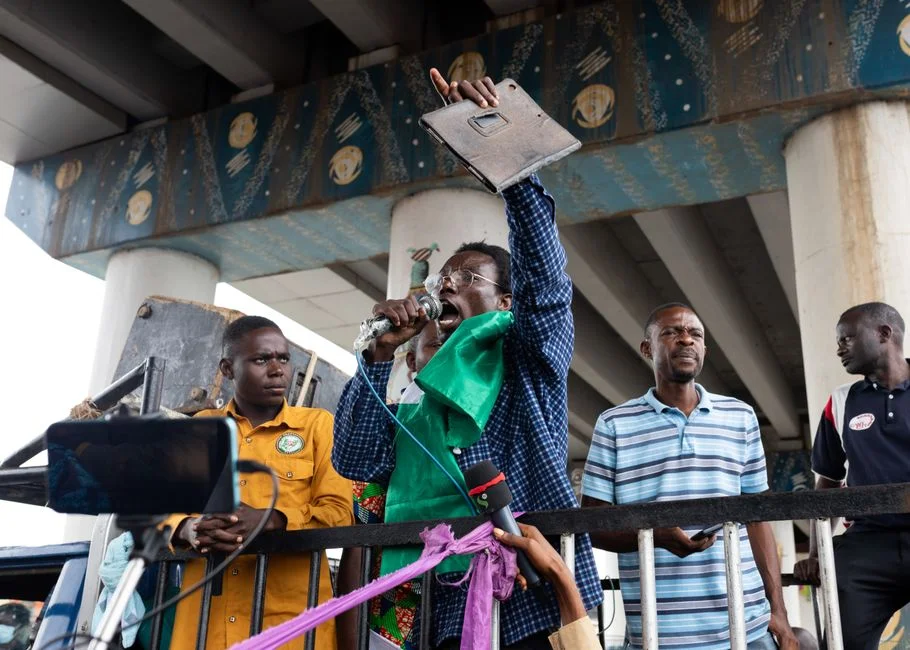
The Gap Between Policy and Reality
Bauchi state, located in northeastern Nigeria, has some of the country's lowest human development indicators. Access to clean water, reliable healthcare, and passable roads remains severely limited in many LGAs. Segun Awofadeji, who appeared alongside Wunti at the event, presented data showing that rural poverty rates in the region have barely improved despite repeated government pledges. The officials argued that mainstreaming rural communities requires more than rhetoric. It demands structural changes to how budgets are allocated and how project implementation is monitored. Without such changes, they warned, Nigeria's rural-urban divide will continue to widen.
What Mainstreaming Rural Communities Actually Means
At its core, the push to mainstream rural communities seeks to integrate rural perspectives into national and state development strategies from the outset. This differs from current practices where rural considerations are often added as an afterthought. The officials outlined several practical steps that would constitute meaningful mainstreaming. These include mandatory community consultations before project approval, dedicated funding streams for rural-specific infrastructure, and performance metrics that hold leaders accountable for rural development outcomes. The event drew attendance from representatives across multiple local government areas, each bringing firsthand accounts of the challenges their constituents face daily.
Political Will Remains the Central Obstacle
Wunti was direct in identifying the real barrier to progress: political will. The official noted that rural voters represent a significant portion of the electorate, yet their concerns consistently receive less attention during election campaigns and budget negotiations. This paradox, Wunti argued, suggests that politicians calculate that urban constituencies offer greater electoral returns for development spending. The solution, according to the speaker, lies in organised rural communities that can make their political weight felt. Traditional rulers present at the event were urged to use their influence to ensure that political candidates commit to specific rural development targets before receiving community endorsements.
International Day Provides Annual Accountability Opportunity
World Rural Development Day, observed annually on December 29, offers a moment to assess progress on rural poverty reduction and food security. This year's theme emphasised the role of rural communities in achieving broader national development goals. In Nigeria, the day has increasingly become an occasion for civil society organisations and government officials to take stock of unmet commitments. Observers note that such annual checkpoints serve a valuable purpose in maintaining pressure on leaders who might otherwise deprioritise rural affairs. The Bauchi event forms part of a broader pattern of using international observance days to amplify local demands.
What Comes Next for Rural Advocacy in Nigeria
The officials announced plans to establish a formal coordination mechanism that would allow rural communities across Bauchi state to share grievances and track government spending. This structure would aim to give rural residents better access to information about projects in their areas and clearer channels for reporting failures. The next major milestone will be the state budget review process, where advocacy groups plan to submit detailed demands backed by the data presented at the World Rural Development Day event. Whether political leaders respond substantively will test whether this year's commemorations translate into lasting change or simply add to a long record of unfulfilled promises.
Citizens in rural communities across Bauchi state will be watching closely over the coming months to see whether the rhetoric from World Rural Development Day produces any measurable shifts in how state resources are distributed. The next budget cycle and upcoming local government elections will provide concrete indicators of whether the appeal has registered with those who hold political power.
See Also
- Naidu Unveils Tech-Driven Plan for Andhra Pradesh
- Kharge, Khera Among 7 Congress Nominees for Rajya Sabha Elections
The official noted that rural voters represent a significant portion of the electorate, yet their concerns consistently receive less attention during election campaigns and budget negotiations. This paradox, Wunti argued, suggests that politicians calculate that urban constituencies offer greater electoral returns for development spending.
What is the latest news about wunti demands nigerian leaders include rural communities in development plans?
Why does this matter for politics-governance?
What are the key facts about wunti demands nigerian leaders include rural communities in development plans?