Israeli cabinet ministers announced they would defy a High Court ruling, marking a direct challenge to the country's judicial authority and raising the prospect of a full-blown constitutional confrontation. The declaration came from senior government officials who said they would not comply with the court order, which concerns a controversial policy linked to exemptions from military service.
Government Declares Non-Compliance
The cabinet breach of convention occurred when ministers said they would ignore the court directive, which ordered changes to how certain groups receive military draft exemptions. Officials from the coalition government confirmed their position at a cabinet meeting, setting Israel on a collision course with its judiciary. The High Court had given the government a deadline to implement the ruling, but ministers have refused.
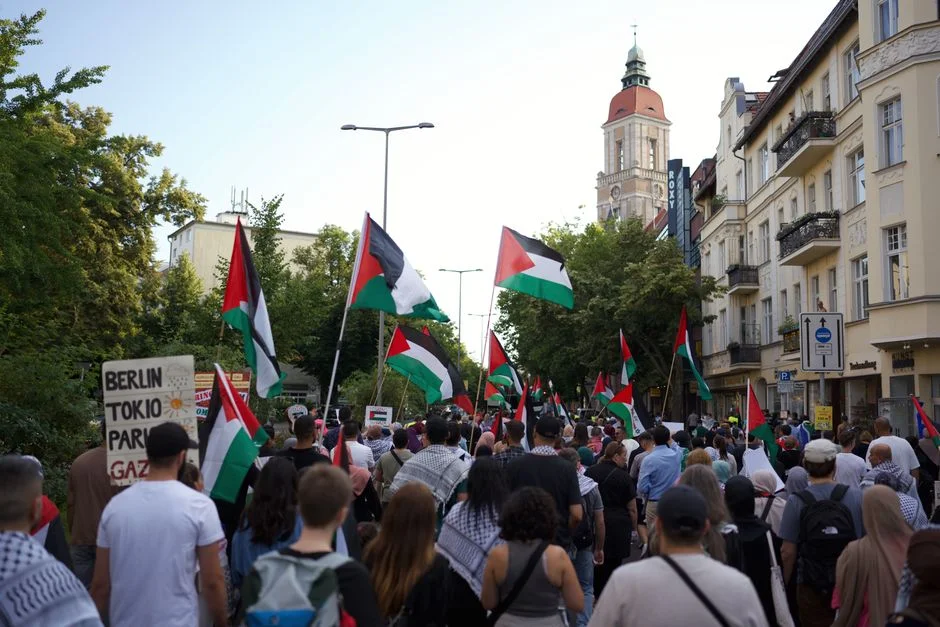
Speaking at a press conference, a senior minister said the ruling exceeded the court's authority over matters of state. The government position marks a significant escalation in months of political tensions over the judiciary's role in shaping national security policy.
High Court Response and Legal Implications
The High Court issued the ruling in response to a petition challenging the exemption system. Judges determined that the current framework violated principles of equality before the law. Government lawyers have argued that draft policies fall within the executive branch's exclusive purview.
Legal experts warn the standoff could undermine enforcement of court orders across the Israeli system. The Attorney General has reportedly advised that non-compliance sets a dangerous precedent, but cabinet ministers have dismissed those concerns. No mechanism exists to compel executive compliance with judicial decisions, creating a structural vulnerability in Israel's democratic institutions.
Political Fallout and Coalition Dynamics
The crisis exposes deep rifts within the governing coalition over the boundaries between branches of government. Ultra-Orthodox parties, whose constituents benefit from the exemption system, pushed for the defiant stance. secular coalition partners have expressed unease but stopped short of breaking ranks.
Opposition leaders called the cabinet's position an attack on the rule of law. The main opposition party said it would introduce legislation to clarify the court's authority over military draft decisions. Several coalition lawmakers indicated they might support the opposition effort, potentially exposing further fractures in the government.
Public Reaction and Military Impact
Public demonstrations erupted outside the Prime Minister's residence in Jerusalem, with protesters calling the cabinet's stance an assault on democratic norms. Counter-protesters supported the government position, arguing the court overstepped its mandate on national security matters.
The military has been closely monitoring the situation. If exemptions continue unchecked, military officials estimate the conscription shortfall could worsen an existing personnel shortage. The Israel Defense Forces have requested clarity on how to proceed with draft enforcement while the political crisis continues.
What Happens Next
The High Court has scheduled a follow-up hearing for next week to assess government compliance. If ministers remain defiant, the court could issue additional orders, though enforcement mechanisms remain limited. The Attorney General faces pressure to take legal action against cabinet members who violate court rulings.
Watch for the Supreme Court's response and whether coalition members break ranks during upcoming Knesset votes on related legislation. The coming days will test whether Israel's unwritten constitutional conventions can contain a direct challenge from the executive branch.
See Also
- Nitish Kumar Files Rajya Sabha Nomination: A New Chapter for Bihar Politics
- Municipalities Block Spaza Shops from Accessing Government Support — Here's Why