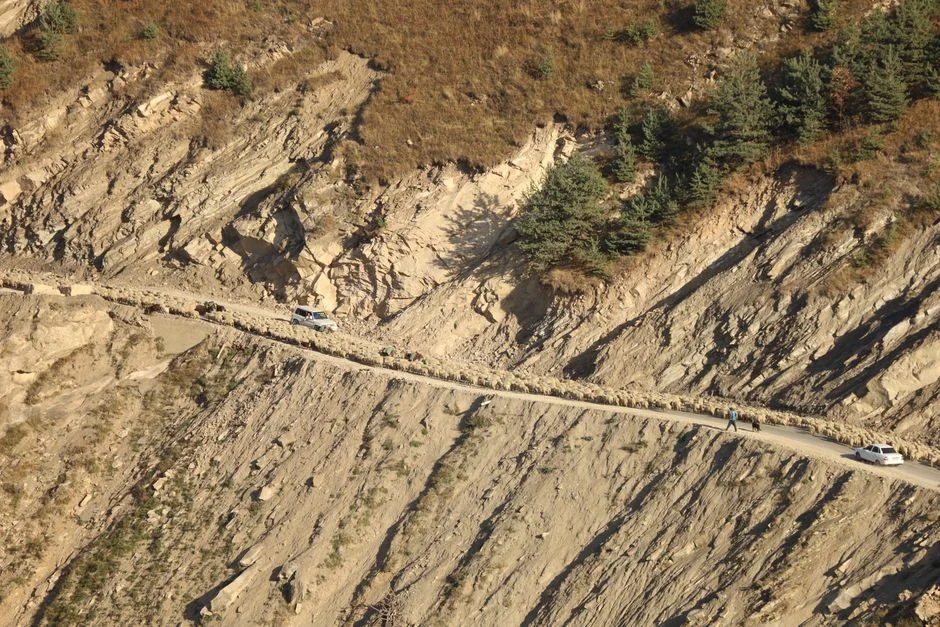
Emergency crews in Pakistan recovered 40 bodies from aravine in Balochistan province on Thursday after a passenger bus lost control and plunged approximately 70 feet down a steep embankment, according to local authorities. The vehicle was travelling on a mountain road near the town of Khuzdar when the accident occurred, officials confirmed. Rescuers used heavy machinery to reach the wreckage, which was scattered across the rocky terrain some 200 metres below the road. At least 12 injured passengers were pulled from the wreckage and taken to nearby hospitals, where medical staff described treating victims for broken limbs, head trauma, and internal bleeding.
What Happened on the Mountain Road
The bus departed Quetta early Thursday morning carrying passengers headed towards Karachi, a journey that typically takes more than 10 hours through rugged terrain. Somewhere along the winding mountain highway near Khuzdar, the driver lost control of the vehicle. Witnesses told local media the bus appeared to swerve before going over the edge. Provincial disaster management officials said the road section has seen similar accidents before, though nothing this deadly in recent years. The exact cause remains under investigation by transport authorities.
Security forces and volunteers joined the rescue effort within hours. Soldiers from a nearby army checkpoint helped extract survivors from the tangled metal wreckage. A local politician, Sardar Abdul Rehman, visited the site and confirmed the death toll to journalists gathered at the road's edge. Darkness fell before crews could fully clear the ravine, forcing officials to pause recovery operations until daylight.
Victims and Survivors
Among the dead were 14 men, 18 women, and 8 children, according to preliminary figures from the Levies Force, a paramilitary organisation active in Balochistan. The ages of victims ranged from an infant believed to be under one year old to a retired schoolteacher who neighbours identified as 67-year-old Ghulam Abbas. Four members of a single family from Sibi district were among those killed. Hospital records from the District Headquarters Hospital in Khuzdar listed the 12 injured patients, several of whom remained in critical condition on Friday morning.
Survivors described a terrifying sequence of events. One man who escaped through a shattered window told reporters he felt the bus tilt sharply before hearing screams. Another passenger said he noticed the driver struggling to navigate a sharp bend moments before the vehicle left the road. Family members gathered at hospitals seeking news of relatives, many having travelled hours from surrounding villages after hearing about the crash through word of mouth and social media posts.
Highway Conditions Under Scrutiny
The accident has renewed attention on road safety in Balochistan, Pakistan's largest but least populated province. The N-25 national highway, which connects major cities through mountain passes and desert terrain, has a poor safety record. Transport experts point to aging vehicles, overloading, and inadequate maintenance as persistent problems. The bus involved in Thursday's crash belonged to a private company that operates routes between Quetta and Karachi, a journey that passes through some of the most challenging geography in the country.
Balochistan's Inspector General of Police directed traffic officials to inspect all buses travelling through the province's mountain roads within 48 hours. A senior official from the Provincial Transport Authority said his department would examine licensing records and vehicle fitness certificates. The governor of Balochistan expressed condolences and called for stricter enforcement of safety regulations. Critics argue previous calls for improvements have produced little change on the ground.
Rescue Operations Continue
Teams worked through the night using searchlights to navigate the rocky ravine. Army engineers deployed earth-moving equipment to shift debris and create paths for rescue workers. By Friday morning, officials said the search for additional bodies had ended, though investigators remained at the scene documenting evidence. All bodies were transported to a government hospital in Khuzdar, where forensic teams began the process of identification.
Relatives travelled from distant villages to claim the dead. In some cases, entire families gathered at the hospital morgue waiting for news. Community leaders organised transport for those unable to afford the journey. Islamic funeral rites were held for victims as their identities were confirmed, with bodies released to families for burial in their home districts. The provincial government announced compensation of 500,000 rupees for each family of the dead and 100,000 rupees for the injured.
Broader Safety Concerns
Thursday's crash ranks among the deadliest road accidents in Pakistan this year. Data from the National Highway Authority shows that Balochistan accounts for a disproportionate share of serious crashes on national highways, partly due to the challenging terrain and partly due to enforcement gaps. Safety advocates have long called for infrastructure improvements, including crash barriers on mountain roads and better lighting at dangerous bends.
Bus companies operating on long-distance routes frequently face accusations of overloading and inadequate driver rest periods. The driver of Thursday's bus has not been named and his condition remains unclear. Investigators said they would examine whether he had exceeded legally permitted driving hours. The operator's licence is expected to be reviewed as part of the official inquiry, which the Balochistan government said would be completed within two weeks.
Community Response and Grief
In Khuzdar and surrounding areas, the crash cast a shadow over daily life. Schools closed early on Thursday after news spread through the city. Local mosques used loudspeakers to announce the accident and request blood donations for the injured. Hospital waiting areas filled with anxious family members through the night. Shopkeepers near the scene said they heard the crash but assumed it was a minor incident until ambulances began arriving in convoys.
Survivors remaining in hospital face weeks or months of recovery. Medical staff said some patients will require surgery for spinal injuries. Psychologists from a humanitarian organisation arrived on Friday to provide counselling to both survivors and bereaved families. Community elders convened meetings to coordinate support for affected households, particularly those who lost breadwinners and now face financial hardship. The provincial government promised additional assistance beyond the initial compensation payments.
What Comes Next
Transport authorities in Balochistan must submit a preliminary report on the crash within 14 days. That document will determine whether criminal charges are filed against the bus company or individual drivers. Safety inspectors have been ordered to check all vehicles on the Khuzdar-Karachi route before regular service resumes. The federal government may face pressure to intervene after what critics call years of neglect of provincial transport infrastructure.
Families of the victims now face funeral arrangements, hospital bills, and the difficult task of rebuilding their lives. The compensation announced by the provincial government falls short of what advocacy groups say is needed to replace lost incomes. Watchdog organisations called for an independent safety audit of all major highways passing through mountainous terrain. How Pakistan responds to this tragedy in the weeks ahead will test whether promises of reform translate into meaningful change on roads that millions of citizens travel every year.
See Also
- Visakhapatnam Collector Sets June 30 Deadline for Bhogapuram Airport Roads
- Spain's Lamine Yamal Injured But Still Set to Join World Cup
Broader Safety Concerns Thursday's crash ranks among the deadliest road accidents in Pakistan this year. The federal government may face pressure to intervene after what critics call years of neglect of provincial transport infrastructure.
What is the latest news about bus plunges 70 feet into pakistan ravine 40 killed in horror crash?
Why does this matter for culture-religion?
What are the key facts about bus plunges 70 feet into pakistan ravine 40 killed in horror crash?