The United States trade delegation is preparing to land in New Delhi next month to finalize an interim pact with India. This diplomatic movement signals a potential shift in how goods cross borders between the two economic giants. Citizens in major Indian cities should pay close attention to how these negotiations will reshape local prices and job markets.
Direct Impact on Indian Consumer Prices
The core of these negotiations revolves around tariffs. High import duties currently make American goods expensive for Indian buyers. If Washington agrees to lower these rates, everyday items could see immediate price drops. Consumers in Mumbai and Delhi may find electronics, agricultural products, and pharmaceuticals more affordable. This change directly affects household budgets across the country.
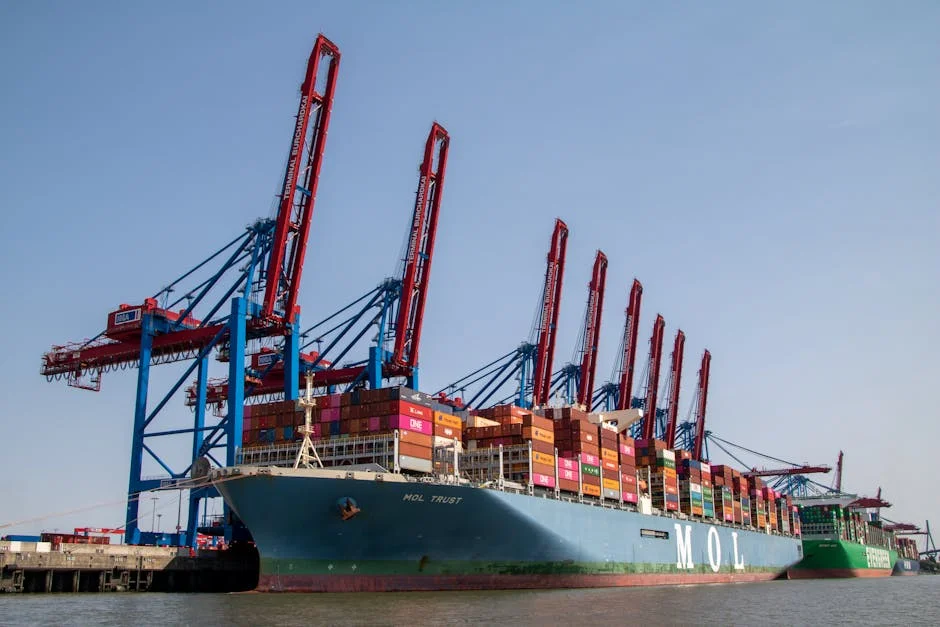
Indian exporters also face a critical juncture. The US is one of India’s largest trading partners. Reduced barriers could mean more Indian textiles, gems, and IT services reaching American shelves. This influx of demand can create jobs in manufacturing hubs like Surat and Bangalore. Local economies benefit when export orders surge and factories run at full capacity.
However, the benefit is not guaranteed for every sector. Some domestic industries might face stiffer competition from cheaper American imports. Farmers in Punjab or textile workers in Tamil Nadu need to understand how these shifts play out. The interim pact will likely include safeguards for vulnerable local markets.
Why Washington Matters for Local Economies
Washington’s trade policy decisions ripple through Indian communities. When the US adjusts its tariff structure, it changes the cost of doing business for Indian firms. This dynamic influences investment decisions made by multinational corporations. Companies often choose India as a manufacturing base based on trade stability. A clear agreement provides the certainty investors crave.
The negotiation process is not just about goods. It also covers services and digital trade. The IT sector in Hyderabad and Chennai stands to gain significantly. If the US simplifies visa rules for Indian tech workers, more professionals can work in both countries. This mobility boosts remittances and skill transfer back to Indian cities.
Specific Sector Implications
Agriculture remains a sensitive topic in these talks. American soybean and almond exporters hope for better access to the Indian market. Conversely, Indian dairy and rice producers seek to maintain their competitive edge. These agricultural shifts directly impact farm gate prices and rural incomes. Rural voters watch these developments with keen interest.
The pharmaceutical industry is another key area. The US imports a vast amount of generic medicines from India. Any changes in regulatory alignment or tariff rates can affect drug prices for American patients. For Indian pharma companies in Hyderabad, this means potential revenue growth. This growth translates into hiring sprees and infrastructure upgrades in local industrial zones.
Automobiles also feature prominently in the dialogue. Both countries produce cars and components. A trade deal could lower the cost of imported vehicles or parts. This might make cars more accessible to the middle class in tier-two cities. Local auto makers will need to adapt to this new competitive landscape.
Community Response and Local Business Sentiment
Local business leaders are watching these talks closely. Chambers of commerce in Kolkata and Chennai have issued statements urging clarity. Small and medium enterprises (SMEs) often struggle with complex trade rules. A simplified interim pact could reduce paperwork and logistics costs for these smaller players. This ease of trade helps small businesses compete globally.
Trade unions are also preparing for potential shifts. They worry about job displacement in sectors facing heavy import competition. Textile workers in Gujarat have expressed concerns about American cotton products. Their livelihoods depend on the balance struck in these negotiations. Community leaders are calling for targeted support packages for affected workers.
Consumer groups are optimistic about price reductions. They argue that competition drives down costs for the end-user. Lower tariffs on imported food items could ease inflationary pressures. This is particularly relevant for urban households feeling the pinch of rising costs. The direct link between trade policy and grocery bills is becoming clearer to the public.
The Negotiation Process and Key Players
The US trade team will include senior officials from Washington. They aim to secure concessions that benefit American producers. India’s delegation, led by the Ministry of Commerce, seeks to protect domestic industries while expanding exports. Both sides recognize the need for a pragmatic approach. The interim nature of the pact allows for flexibility as negotiations continue.
This process involves detailed discussions on specific product lines. Negotiators will review tariff schedules and quotas. They will also address non-tariff barriers such as standards and certifications. These technical details often determine the success of the deal. Local businesses must stay informed about these specific changes to adapt quickly.
The timing of the visit is strategic. Both countries face economic pressures that make trade agreements timely. Inflation, supply chain disruptions, and currency fluctuations are all factors. A deal reached next month could provide immediate relief to businesses. It also sets the stage for a broader free trade agreement in the future.
What to Watch Next Month
Citizens should monitor the announcement of the interim pact. Look for specific details on which products see tariff reductions. Pay attention to any new visa categories for workers. These details will have immediate effects on local markets and employment. The government will likely release a press briefing with key takeaways.
Businesses should prepare for potential changes in import costs. Adjust inventory levels and pricing strategies accordingly. Exporters should target US markets with renewed vigor. The window of opportunity opens as soon as the pact is signed. Proactive planning will help companies capitalize on the new trade dynamics.
The next major milestone is the implementation date of the interim measures. This timeline will dictate when prices start to change. Keep an eye on official notifications from the Ministry of Commerce. Local news outlets will also provide updates on how these changes affect specific regions. Stay informed to navigate the shifting economic landscape effectively.
See Also
- Nicolas le Roux indicted for Taryn's murder: Allegations of abuse revealed
- NHL Alters Playoff OT Rules — US Fans Brace for a Thrilling Change
They worry about job displacement in sectors facing heavy import competition. Textile workers in Gujarat have expressed concerns about American cotton products.
What is the latest news about us trade team heads to india what changes for your wallet?
Why does this matter for business-economy?
What are the key facts about us trade team heads to india what changes for your wallet?