The Indian government has labelled the recent surge in fuel prices as an "unavoidable" economic necessity, drawing sharp criticism from opposition leaders who accuse Prime Minister Narendra Modi of miscalculation. Critics point to periods when global crude oil costs dipped but domestic petrol prices remained stubbornly high, suggesting that tax structures rather than raw material costs are driving the inflation at the pump. This debate is not merely political posturing; it strikes at the heart of the daily financial survival of millions of Indian citizens, from daily wage earners in Mumbai to small business owners in Delhi.
The Political Clash Over Petrol Prices
Opposition parties have intensified their attack on the ruling Bharatiya Janata Party (BJP), framing the fuel hike as a direct result of policy errors rather than global market forces. They argue that the government failed to pass on savings to consumers when crude oil prices fell, keeping the exchequer full while wallets emptied. This narrative has gained traction in key states where voter sentiment is shifting, making fuel affordability a central theme in regional and national politics.
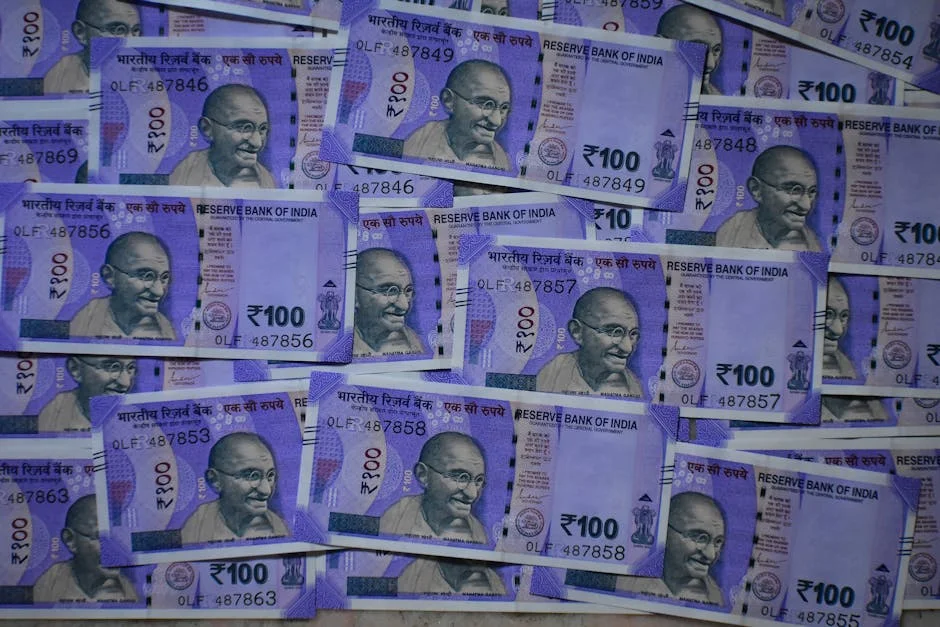
Prime Minister Modi’s defence rests on the argument that global volatility makes price stability difficult without heavy subsidisation or tax adjustments. The government contends that maintaining infrastructure development and social welfare schemes requires steady revenue, much of which comes from fuel taxes. However, this explanation has done little to calm public anger, as the visible cost of living continues to outpace income growth for many households.
How Fuel Hikes Hit Local Communities
The impact of rising petrol and diesel prices is immediate and visceral for the average Indian citizen. In cities like Chennai and Hyderabad, the cost of a single litre of petrol has crossed psychological barriers, forcing commuters to rethink their daily travel habits. For the unorganized sector, where diesel is the lifeblood of logistics, every rupee increase translates directly to reduced profit margins or higher prices for end consumers.
Transport and Logistics Under Pressure
Local transport operators are feeling the pinch acutely. Auto-rickshaw drivers in Kolkata report that they must cover significantly more kilometers just to match the daily earnings of six months ago. This pressure forces them to increase fares, which in turn makes public transport more expensive for students and office goers, creating a ripple effect of inflation across the urban economy.
Small and medium enterprises (SMEs) rely heavily on diesel for generators and logistics. A sustained increase in fuel costs means higher operational expenses, which many small businesses struggle to absorb. Some shop owners in Delhi markets have already begun reducing opening hours to save on electricity and fuel, a subtle but telling sign of economic stress filtering down to the grassroots level.
Historical Context: When Crude Fell, Prices Stagnated
Opposition leaders frequently cite historical data to bolster their argument. They highlight periods in the past three years where global crude oil benchmarks, such as Brent Crude, saw notable declines. Despite these drops, the retail price of petrol in India did not decrease proportionally, leading to accusations that the government retained the savings through Goods and Services Tax (GST) and state VAT adjustments.
This discrepancy has fueled public skepticism. Citizens remember paying high prices during times of relative global stability, which undermines the government’s current claim that external factors are the sole drivers of the recent hike. The perception that taxes are being used as a buffer for government revenue, rather than a stabilizer for consumer prices, has eroded trust in economic management.
Economic Ripple Effects on Inflation
Fuel prices are a primary driver of inflation in India. When diesel and petrol costs rise, the price of almost every commodity follows suit. Vegetables transported from farms in Punjab to markets in Tamil Nadu become more expensive. Cooked food, packaged goods, and even clothing see price tags adjusted upwards to account for the increased cost of moving products from factory to shelf.
This secondary inflation is particularly damaging to the middle class and the lower-middle class, who spend a larger proportion of their income on essentials. The Reserve Bank of India (RBI) has closely monitored these trends, noting that persistent fuel price hikes can keep inflation above target for longer than anticipated. This may force the central bank to keep interest rates higher for longer, affecting loan repayments for homebuyers and car buyers across the country.
Regional Variations in the Fuel Crisis
The impact of fuel prices is not uniform across India. States with different tax structures see varying final prices at the pump. For example, states like Kerala and Andhra Pradesh have historically had higher state VAT on fuel, making the overall burden heavier for residents compared to states like Gujarat or Rajasthan. This regional disparity creates a sense of inequity, with citizens in high-tax states feeling they are paying a "double penalty" of central and state taxes.
Local governments are now under pressure to act. Some state chief ministers are considering temporary tax cuts to appease voters, while others argue that their own revenue streams are tight due to pandemic recovery efforts. This creates a fragmented response to what is fundamentally a national economic issue, leaving citizens in different regions with different levels of relief or burden.
Public Sentiment and Grassroots Reaction
On the streets, the reaction is mixed but increasingly vocal. In urban centers, car owners are opting for carpooling or switching to two-wheelers to save money. In rural areas, farmers are worried about the cost of diesel for tractors and harvesters, which directly affects the cost of production for crops like wheat and rice. These agricultural inputs are critical for the next harvest, and high fuel costs could lead to higher food prices later in the year.
Social media has become a battleground for this debate. Citizens share screenshots of fuel bills, compare prices across cities, and tag politicians to demand action. This digital activism keeps the issue in the public eye, forcing both the government and the opposition to respond quickly. The narrative is shifting from abstract economic terms to concrete daily inconveniences, making the fuel price issue deeply personal for voters.
Government Revenue vs. Consumer Relief
The core of the dispute lies in how fuel revenue is utilized. The government argues that the money collected from fuel taxes funds critical infrastructure projects, such as highways, railways, and digital connectivity initiatives. These projects are essential for long-term economic growth and job creation. However, the opposition argues that the immediate relief for consumers should take precedence over long-term infrastructure goals, especially when inflation is biting hard.
This tension reflects a broader economic philosophy debate. Is it better to invest in future growth through infrastructure spending, funded by current fuel taxes, or to provide immediate relief to boost consumption power? The government’s stance is that without robust infrastructure, economic efficiency will lag, but critics say that if consumers are squeezed too hard, they will have less money to spend, slowing down the very growth the infrastructure aims to support.
What To Watch Next
The coming weeks will be critical in determining how this political and economic battle unfolds. Voters should watch for any announcements from the Ministry of Finance regarding adjustments to the GST rate on petrol and diesel, which are currently taxed at 28% plus a compensation cess. Any reduction in this rate would provide immediate, albeit modest, relief to consumers.
Additionally, the next quarterly results of major logistics and automotive companies will provide concrete data on how fuel costs are impacting the broader economy. If these sectors report significant margin squeezes, the pressure on the government to act will intensify. Citizens should also monitor state-level announcements, as some states may introduce temporary VAT cuts to win over local voters before upcoming assembly elections. The interplay between central policy and state action will define the trajectory of fuel prices and their impact on the Indian household in the near term.
See Also
- Satna Collector Office Implements Digital Initiatives to Enhance Public Services
- India Swaps Top Generals — What It Means for Your Safety
What is the latest news about modi defends fuel hike as unavoidable amid opposition fury?
Why does this matter for local-news?
What are the key facts about modi defends fuel hike as unavoidable amid opposition fury?