India’s commerce minister, Piyush Goyal, has set a bold target for the nation’s export engine, aiming for $1 trillion in goods and services by the fiscal year 2027. This ambitious goal relies heavily on new free trade agreements and a surge in global demand, promising to reshape the local economy. For citizens across the country, this shift means potential job growth, changing prices, and a redefined role in the global marketplace.
Understanding the $1 Trillion Target
The current export figure stands at approximately $700 billion, meaning India needs to add roughly $300 billion in just two years. This is not merely a statistical milestone but a strategic pivot for the world’s fastest-growing major economy. The government believes that leveraging Free Trade Agreements (FTAs) will unlock new markets for Indian manufacturers and service providers.
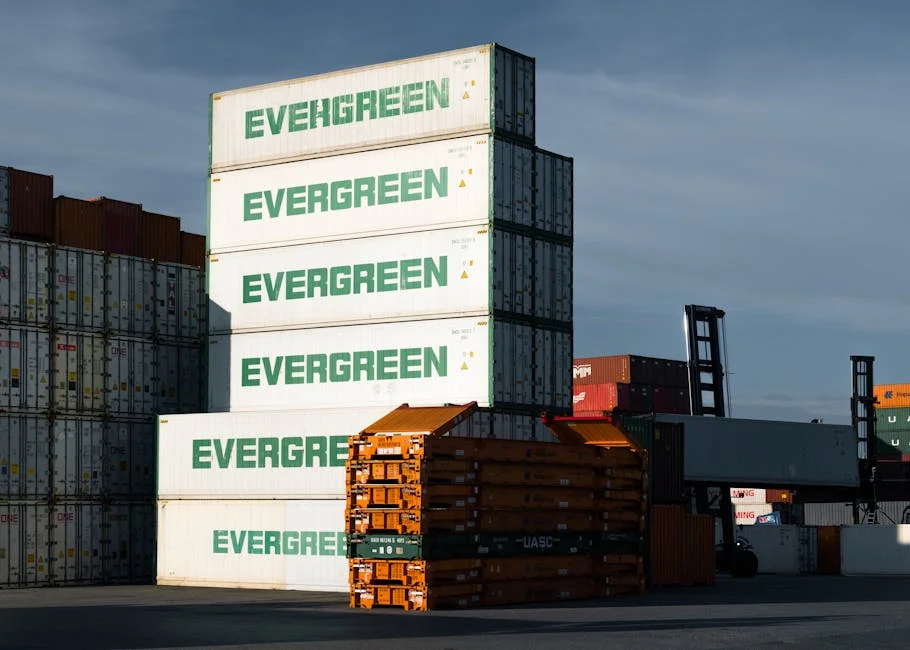
Piyush Goyal has emphasized that this growth is essential for sustaining India’s GDP momentum. The plan involves reducing tariffs in key partner countries and streamlining customs procedures. Such measures aim to make Indian products more competitive against rivals like China and Vietnam. The focus is on moving beyond traditional sectors like textiles and pharmaceuticals into high-value electronics and renewable energy.
Impact on Local Employment
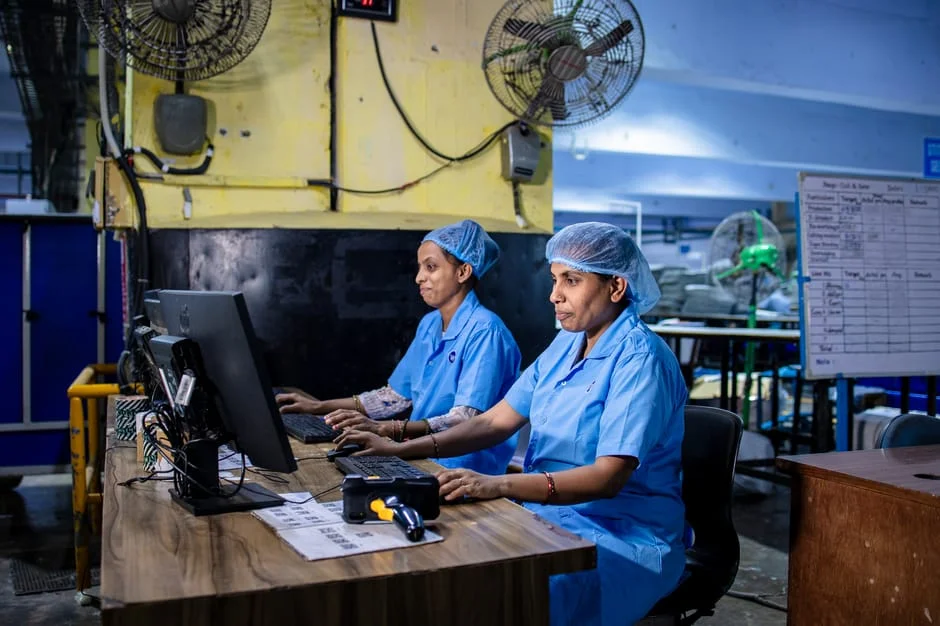
A direct consequence of increased exports is the demand for labor in manufacturing hubs. Cities like Surat, Tirupur, and Ahmedabad are likely to see a spike in hiring across garment and textile industries. Workers in these regions may experience higher wages as competition for skilled labor intensifies. This influx of jobs can significantly reduce urban unemployment rates and boost household incomes.
However, the transition also brings challenges for the workforce. Many small and medium enterprises (SMEs) must upgrade their technology to meet international quality standards. This requirement means workers need reskilling in areas like digital literacy and precision manufacturing. Local governments in industrial belts are already launching training programs to prepare the workforce for this shift. The success of these initiatives will determine whether the job growth is inclusive or concentrated in specific sectors.
Regional Variations in Job Growth
The benefits of export growth are not evenly distributed across India. Southern states, particularly Tamil Nadu and Karnataka, are poised to gain significantly from the electronics and automotive sectors. These regions already have robust infrastructure and a skilled talent pool. In contrast, northern states like Punjab and Haryana may see slower growth unless they focus on agro-processing and light engineering.
Local communities in these varied regions will experience different economic realities. In Tamil Nadu, factory workers might see overtime pay increase as orders pile up. Meanwhile, farmers in Punjab may benefit from higher demand for processed food exports. Understanding these regional differences is crucial for local policymakers aiming to maximize the benefits of the national export strategy.
Changes in Consumer Prices
One of the most immediate effects of the export push will be visible in local markets. As more goods leave the country, the domestic supply of certain items may tighten. This dynamic could lead to price increases for everyday products like textiles, spices, and even electronics. Consumers in metro cities like Mumbai and Delhi might notice higher tags on their favorite brands.
However, the introduction of FTAs can also lower prices for imported raw materials. For instance, if India secures favorable terms with the European Union, the cost of machinery and components for local manufacturers could drop. These savings might be passed on to consumers in the form of cheaper finished goods. The net effect on inflation will depend on how well the government balances export incentives with domestic supply chains.
Role of Free Trade Agreements
Free Trade Agreements are the backbone of Piyush Goyal’s strategy. India is currently negotiating deals with key partners such as the European Union, the United Kingdom, and Canada. These agreements aim to reduce or eliminate tariffs on Indian exports. For example, a successful deal with the EU could open up a massive market for Indian pharmaceuticals and automobiles.
The impact of these FTAs extends beyond just tariffs. They often include provisions for intellectual property rights and digital trade. This means Indian tech companies in Bangalore and Hyderabad could find it easier to sell software services abroad. However, local businesses must adapt to new regulations and competition. Small exporters may need to invest in branding and logistics to compete with larger multinational corporations.
Challenges for Small Businesses
While large corporations like Tata and Reliance are well-positioned to capitalize on the export boom, small businesses face hurdles. Many SMEs struggle with compliance costs, quality certifications, and access to foreign currency. The government has introduced schemes to support these enterprises, but implementation remains a challenge. Local chambers of commerce in cities like Kolkata and Chennai are actively lobbying for more targeted support.
Another issue is the reliance on a few key markets. Over-dependence on the US and EU makes India vulnerable to global economic shocks. Diversifying export destinations to include Africa, Latin America, and Southeast Asia is critical. This diversification requires diplomatic efforts and investment in trade infrastructure. Local traders in port cities like Mumbai and Visakhapatnam are already seeing increased activity as new shipping routes are established.
Community Response and Local Economy
Communities across India are reacting to the export drive with a mix of optimism and caution. In industrial towns, the promise of steady jobs is boosting morale. Local businesses, from retail shops to service providers, are experiencing a ripple effect as workers spend more. This increased local spending can stimulate the regional economy and improve public services through higher tax revenues.
However, there are concerns about environmental impact and infrastructure strain. Increased manufacturing activity leads to higher energy consumption and waste generation. Cities like Pune and Chennai are investing in green infrastructure to mitigate these effects. Community groups are also pushing for better labor protections to ensure that workers benefit fairly from the growth. The balance between economic gain and social well-being will be a key focus for local leaders.
Global Demand and Market Trends
Global demand for Indian goods is rising, driven by shifts in supply chains and consumer preferences. The post-pandemic recovery has boosted demand for pharmaceuticals, textiles, and digital services. India is well-positioned to capture this demand due to its competitive labor costs and improving infrastructure. However, global economic uncertainty remains a factor. Inflation in key markets like the US and Europe could dampen demand for Indian exports.
The rise of “China Plus One” strategies is also benefiting India. Multinational companies are diversifying their manufacturing bases to reduce reliance on China. This trend is attracting foreign direct investment into Indian factories. Local suppliers are integrating into these global value chains, gaining access to new technologies and management practices. This integration is crucial for long-term competitiveness and quality improvement.
What to Watch Next
The next few months will be critical for the success of the $1 trillion export target. Key milestones include the finalization of the India-EU Free Trade Agreement and the performance of the monsoon season for agricultural exports. Investors and consumers should monitor quarterly export data and government policy announcements. The upcoming Union Budget will also provide clues about fiscal support for the export sector. Staying informed about these developments will help citizens and businesses navigate the changing economic landscape.
See Also
- Experts Warn: Live Economics Scoring Changes Could Disrupt Student Futures - Here's Why
- Durou's Montenegro and Seguro Meet Weekly: What It Means For Completa
However, there are concerns about environmental impact and infrastructure strain. India is currently negotiating deals with key partners such as the European Union, the United Kingdom, and Canada.