Angola recorded four cases of child sexual abuse every day during the first quarter of this year, according to data from the Ministry of Gender and Social Development. The figures, released in late April, have sparked widespread concern across the country, with local communities and activists demanding stronger action to protect minors. The data highlights a growing crisis that is deeply affecting families and social structures in rural and urban areas alike.
Alarming Statistics and Regional Disparities
The Ministry of Gender and Social Development reported a total of 120 cases of child sexual abuse in the first three months of the year. The average of four cases per day is a stark indicator of the scale of the issue. While the data does not specify exact regions, officials note that the problem is most acute in the northern provinces of Uíge and Zaire, where poverty and limited access to legal support exacerbate the vulnerability of children.
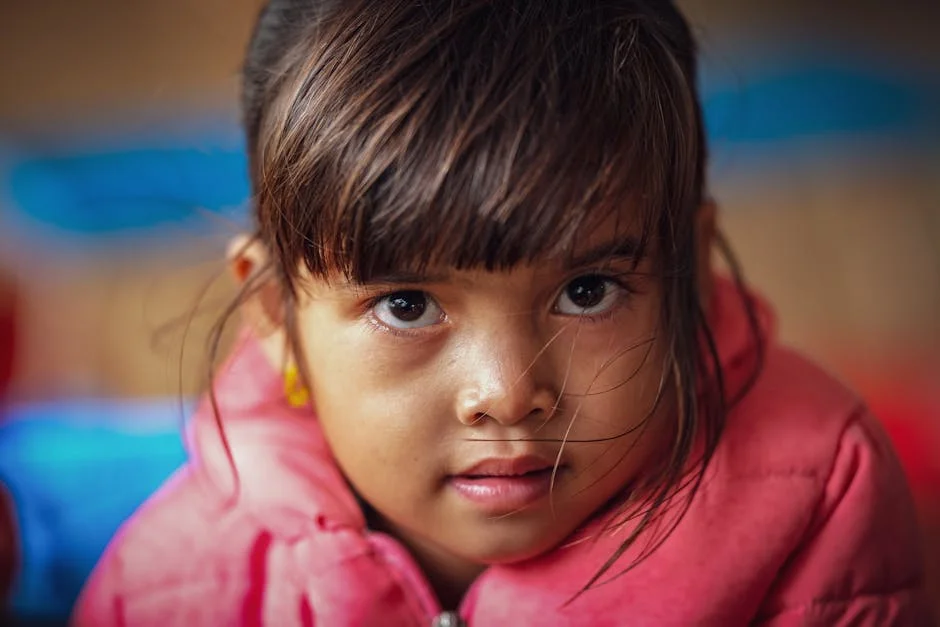
“These numbers are a wake-up call,” said Maria Fernandes, a child rights advocate with the NGO Save the Children Angola. “Many of these children come from low-income families, and they lack the resources to seek justice. We need urgent reforms in our legal and social systems to protect them.”
Impact on Daily Life and Community Trust
The rise in child sexual abuse cases has created a climate of fear in many communities. Parents are increasingly reluctant to let children play outside, and schools report higher levels of anxiety among students. In the city of Malanje, a teacher named João Silva said that many children have started showing signs of trauma, including withdrawal and difficulty concentrating.
“It’s heartbreaking to see our children suffer like this,” Silva said. “The community is scared, and we need more support to help them recover.”
Challenges in Reporting and Legal Protection
Despite the alarming figures, many cases go unreported due to cultural stigma, lack of awareness, and fear of retaliation. The National Police reported that only 30% of the cases documented in the first quarter were formally investigated. This low rate of reporting and prosecution has led to frustration among victims and their families.
“Victims are often blamed for what happened to them,” said Ana Costa, a legal officer with the Women’s Rights Association. “This needs to change. We need better education and legal support to encourage more people to come forward.”
Efforts to Address the Crisis
The government has announced plans to launch a national campaign to raise awareness about child sexual abuse. The initiative, set to begin in June, will include community workshops, school programs, and media outreach. However, experts warn that without sufficient funding and political will, the impact of these efforts may be limited.
“We need more than just awareness,” Costa said. “We need real change in how we treat and protect our children.”
What Comes Next: A Call for Action
Human rights groups are urging the government to increase funding for child protection services and improve legal frameworks to ensure perpetrators are held accountable. They also want more resources for rehabilitation programs for victims. With the new campaign set to start in June, the coming months will be critical in determining whether these efforts can make a real difference.
Activists and community leaders are preparing for a national forum in July, where they plan to push for stronger policies and more investment in child protection. For now, the focus remains on raising awareness and ensuring that no child in Angola is left without support.
See Also
- Delhi Building Collapse Claims Six Lives as Rescue Efforts Continue
- Paulo Fonseca's Lens Em Exit: What It Means for Local Football Fans
What is the latest news about angola reports four child sexual abuse cases daily in q1?
Why does this matter for business-economy?
What are the key facts about angola reports four child sexual abuse cases daily in q1?